
Manipur 
Manipur – The Jewel of the Eastern Himalayas
Manipur sits quietly in the far northeast of India, yet its geography, culture and history connect it to a much larger world. Bordering Nagaland to the north, Mizoram to the south, Assam to the west and Myanmar to the east, the state has long acted as a cultural and trade bridge between South Asia and Southeast Asia. Today, with the Asian Highway linking India to Myanmar, Thailand and beyond, Manipur is increasingly being recognised as the true Gateway to Southeast Asia.
For the traveller who values depth over speed, Manipur offers something rare. It is not a destination that reveals itself instantly. The beauty here lies in slow exploration, conversations with locals, time spent in valleys, lakes and hill villages, and an immersion into traditions that are still very much alive. This is a land where classical dance, indigenous sports, handloom traditions, forest life and modern history coexist naturally.
Geography and Landscape – Valley and Hills in Harmony
Manipur’s geography is defined by contrast. At the centre lies the Imphal Valley, a fertile bowl surrounded by forested hills inhabited by various Naga and Kuki-Zo tribes. This valley-hill relationship shapes everything from cuisine and festivals to daily life. Rivers, wetlands and forests dominate the natural landscape, making the state exceptionally green and ecologically rich.
The terrain ranges from gentle wetlands like Loktak to rugged hill ranges in Ukhrul, Tamenglong and Churachandpur, offering opportunities for sightseeing, trekking and nature-based travel that are still largely untouched by mass tourism.
Loktak Lake – The Floating Heart of Manipur
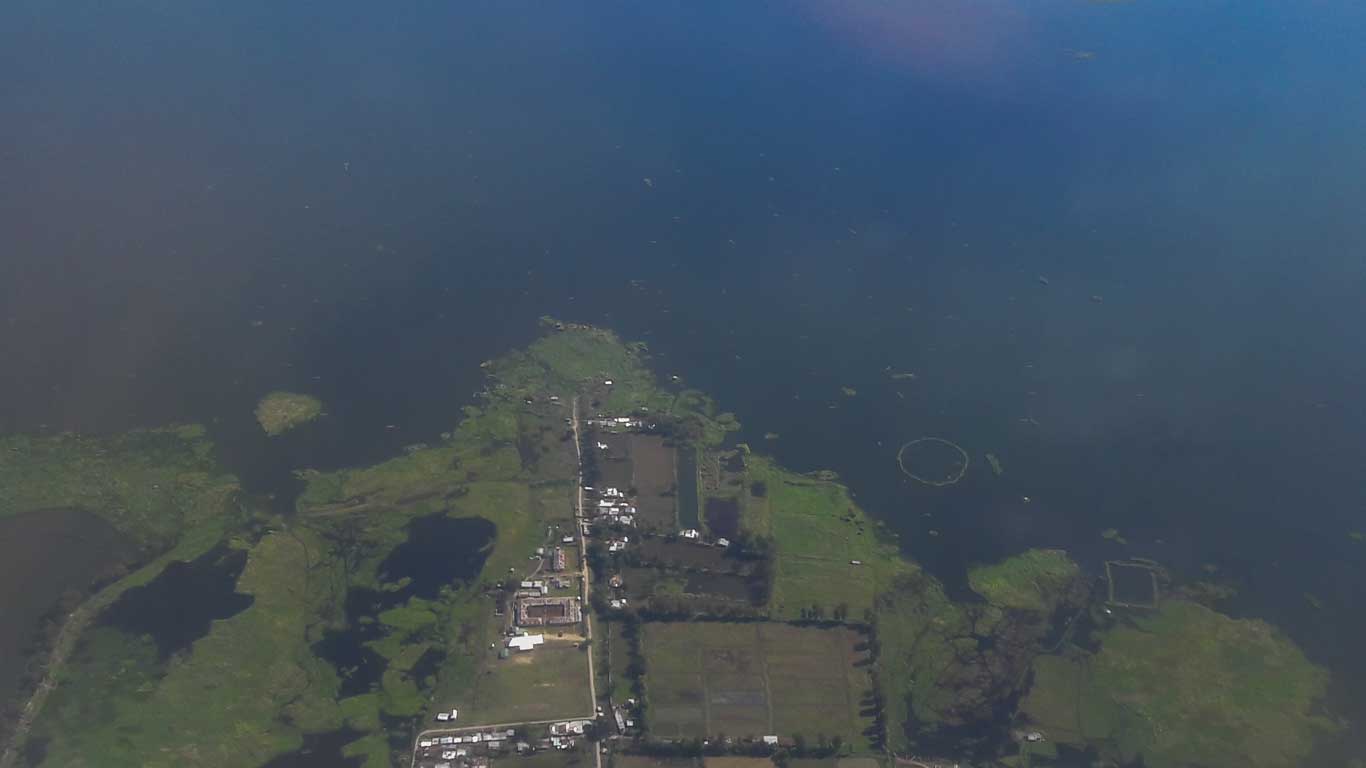
No travel guide to Manipur is complete without Loktak Lake. Located around 45 kilometres from Imphal near Moirang, Loktak Lake is the largest freshwater lake in Northeast India and one of the most unusual wetland ecosystems in the world. What sets it apart are the phumdis, floating masses of vegetation that drift across the lake’s surface. Entire fishing communities live on these phumdis, cultivating crops and building huts that rise and fall with the water.
Boat rides on Loktak are among the most memorable sightseeing experiences in Manipur. Early mornings and late afternoons are especially beautiful, when the lake reflects changing skies and fishermen glide silently across the water. Loktak is also deeply tied to the state’s ecology and culture, making it far more than just a scenic stop.
Keibul Lamjao National Park – The Only Floating National Park
Bordering Loktak Lake lies Keibul Lamjao National Park, the only floating national park in the world. The park is formed entirely of phumdis and is the last natural habitat of the Sangai deer, Manipur’s state animal and cultural symbol.
Visiting Keibul Lamjao is a lesson in ecological balance. The survival of the Sangai depends on the delicate health of the lake and its floating biomass. Nature walks and interpretation centres here help visitors understand how traditional lifestyles and conservation are intertwined. For wildlife enthusiasts, this park is subtle rather than dramatic, but deeply rewarding.
Shirui Village and Shirui Lily – A Rare Natural Wonder
In the hill district of Ukhrul lies Shirui Village, known across the region for the rare Shirui Lily, a flower that blooms naturally only on the slopes of Shirui Peak between May and June. This botanical rarity has become a symbol of Manipur’s fragile natural heritage.
The annual Shirui Lily Festival celebrates not only the flower but also the culture, music and food of the Tangkhul Naga community. Treks to Shirui Peak offer sweeping views of rolling hills and untouched valleys, making this region ideal for travellers seeking offbeat destinations and slow mountain exploration.
Culture, Traditions and Festivals of Manipur
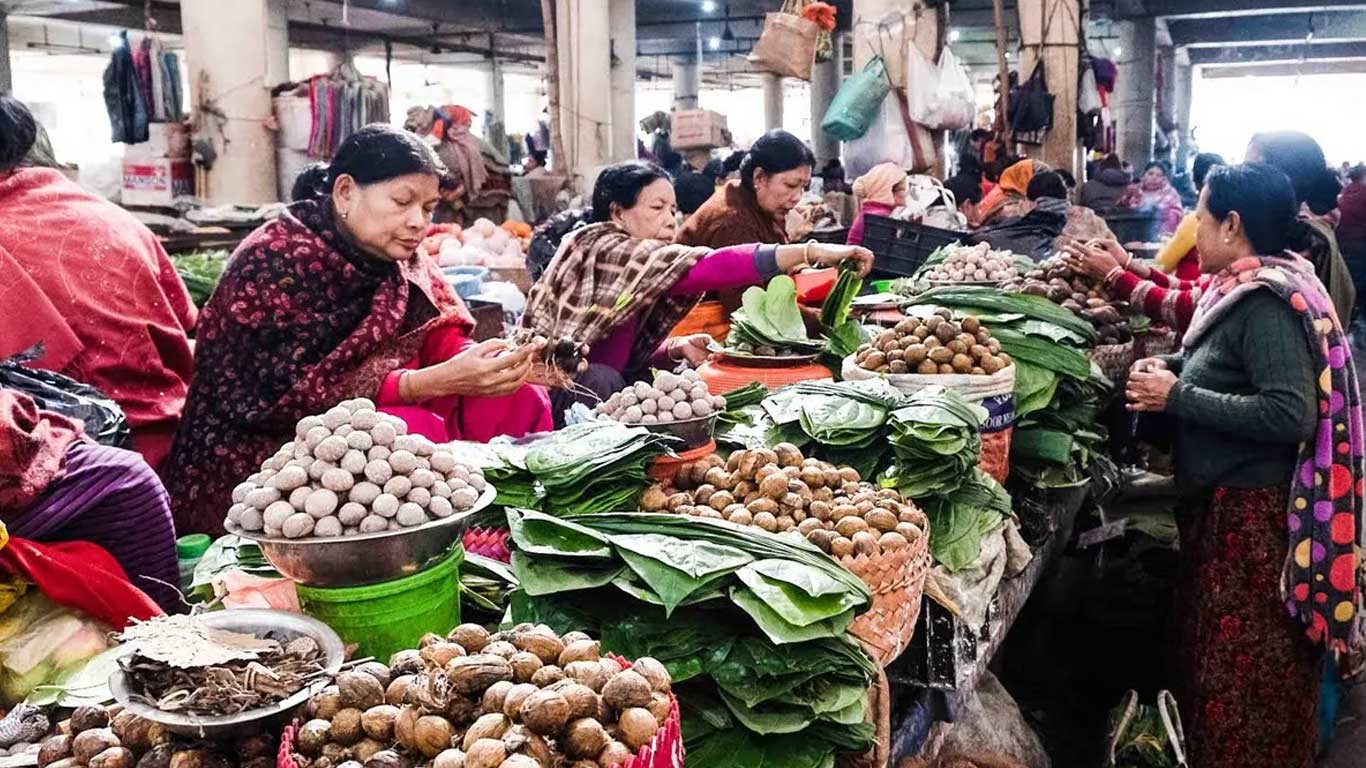
Manipur’s cultural life is remarkably vibrant. The Meitei community of the valley and the tribal communities of the hills celebrate festivals throughout the year, many of which are deeply connected to agriculture, seasons and social bonds.
Yaoshang, Manipur’s version of Holi, is celebrated over five days and blends colour, sports and local traditions. Ningol Chakouba is a deeply emotional festival centred on family reunions, where married women return to their parental homes. Kang, the local Rath Yatra, reflects the Vaishnav traditions of the Meitei people, while Mera Houchongba promotes unity among different ethnic groups.
These festivals are not performances for tourists but lived experiences, and witnessing them respectfully adds immense depth to any Manipur tour.
History and World War II Landmarks
Manipur played a crucial role during World War II, and remnants of this history remain scattered across the landscape.
The Red Hills of Maibal Lokpaching, around 16 kilometres from Imphal, witnessed intense fighting between Allied and Japanese forces. Today, a memorial stands here as a reminder of the battles that changed the course of the war in Asia.
The Imphal War Cemetery is another moving site, meticulously maintained and deeply peaceful. It attracts visitors interested in military history, genealogy and reflective travel, adding a historical dimension to Manipur sightseeing.
Imphal – The Cultural and Travel Hub
Imphal, the capital city, acts as the base for most Manipur tour packages. The city blends modern life with tradition, offering markets, museums, temples and cafes alongside historical sites like Kangla Fort. Imphal is also the best place to arrange permits, guides and transport for travel into hill districts and border regions.
Local Weather and Best Time to Visit Manipur
Manipur enjoys a generally moderate climate, though rainfall can be heavy during the monsoon.
From October to March, the weather is cool and dry, making it the best time for sightseeing, festivals and outdoor exploration. Temperatures usually range between 10 and 25 degrees Celsius.
April to June is warmer, especially in the valley, but still suitable for travel to hill areas. July to September brings heavy monsoon rains, transforming the landscape into lush green scenery, though road travel can sometimes be affected.
For most travellers, winter and early spring offer the best balance of weather and accessibility.
How to Reach Manipur
Imphal International Airport connects Manipur to major Indian cities, including Kolkata, Guwahati, Delhi and Agartala. Road connectivity is steadily improving, with routes linking Imphal to Kohima and Dimapur in Nagaland. While road journeys are scenic, they are best undertaken with experienced drivers familiar with local conditions.
Accommodation and Hotels in Manipur
Manipur offers a growing range of hotels, guesthouses and homestays, particularly in and around Imphal and key tourist areas. While luxury options are limited, the focus here is on clean, comfortable stays and local hospitality. For travellers heading into hill districts, community-run homestays provide the most authentic experience.
Choosing the right accommodation is important, and this is where experienced tour planners make a real difference.
Frequently Asked Questions About Manipur
Is Manipur safe for tourists?
Yes. As of 2026, Manipur is not safe for tourism due to the ongoing conflict between local communities and tribes. Talk to our travel experts for latest situation and update.
Do I need permits to visit Manipur?
Indian tourists usually do not require special permits for most areas, but certain border and hill regions may need local permissions.
How many days are ideal for a Manipur trip?
A minimum of six to eight days allows a meaningful exploration of Imphal, Loktak, Ukhrul and the surrounding regions.
Is Manipur suitable for family travel??
Yes. Families interested in culture, nature and educational travel will find Manipur enriching and welcoming.
Plan Your Manipur Tour with NBTT
Manipur is not a destination to be rushed or explored through generic itineraries. It demands thoughtful planning, cultural sensitivity and on-ground experience. NBTT Travel Solution Private Limited specialises in curated Northeast India travel, with decades of expertise in designing immersive journeys.
Whether you are looking for cultural exploration, nature-focused sightseeing, responsible tourism or customised Manipur tour packages, NBTT ensures reliable logistics, knowledgeable guides and meaningful experiences.
Call +919733300696 to start planning your Manipur journey with experts who understand the region beyond the guidebooks.
East Himalaya
-
Address:NBTT Travel Solution Private Limited, 19, MN Sarkar Road, Sevoke More Siliguri, State : West Bengal, Country : India. PIN : 734001
-
Call Us at:
+91-9733300696 -
Mail Us:
info@east-himalaya.com
