
Mizoram Bamboo Dance 
Mizoram Travel Guide – The Quiet, Unspoilt Hill State
Mizoram remains one of India’s least explored and most misunderstood destinations, largely because of its geography and late entry into mainstream tourism. Sitting at the far eastern edge of the country, Mizoram feels distant not just on the map but also in spirit, with a rhythm of life that is refreshingly slow, orderly and deeply connected to nature. For travellers who value authenticity over crowds, this hill state offers one of the most rewarding experiences in the Eastern Himalaya and Indo-Myanmar ranges.
Geographically, Mizoram is bounded by the hilly tracts of Myanmar’s Rakhine (Rakhaine) State to the south and east, while the western boundary merges into the forested Rangamati Hills of Bangladesh. Only in the north and north-west does Mizoram connect with other Indian states such as Manipur, Assam and Tripura. This natural isolation has preserved both the landscape and the culture of the Mizo people in a way few other Indian states have managed.
The terrain of Mizoram is almost entirely hilly, but unlike the dramatic vertical mountains of Himachal or Uttarakhand, the hills here are long, parallel ridges running from north to south. Altitudes are moderate rather than extreme, which makes travel comfortable and trekking less strenuous. The name Mizoram literally translates to the “Land of the Mizo People”, reflecting a strong cultural identity rooted in tribal traditions, community living and Christianity-influenced social values. Aizawl, perched at around 1,132 metres above sea level, serves as the capital and administrative heart of the state.
Understanding Mizoram’s Geography and Culture
What sets Mizoram apart is not just its scenery but its social fabric. The Mizo society is known for discipline, cleanliness and a remarkable sense of civic responsibility. Alcohol regulations, traffic discipline and community-driven initiatives give the state a distinct atmosphere that surprises many first-time visitors. English is widely spoken, alongside Mizo, making communication easy for Indian and international travellers alike.
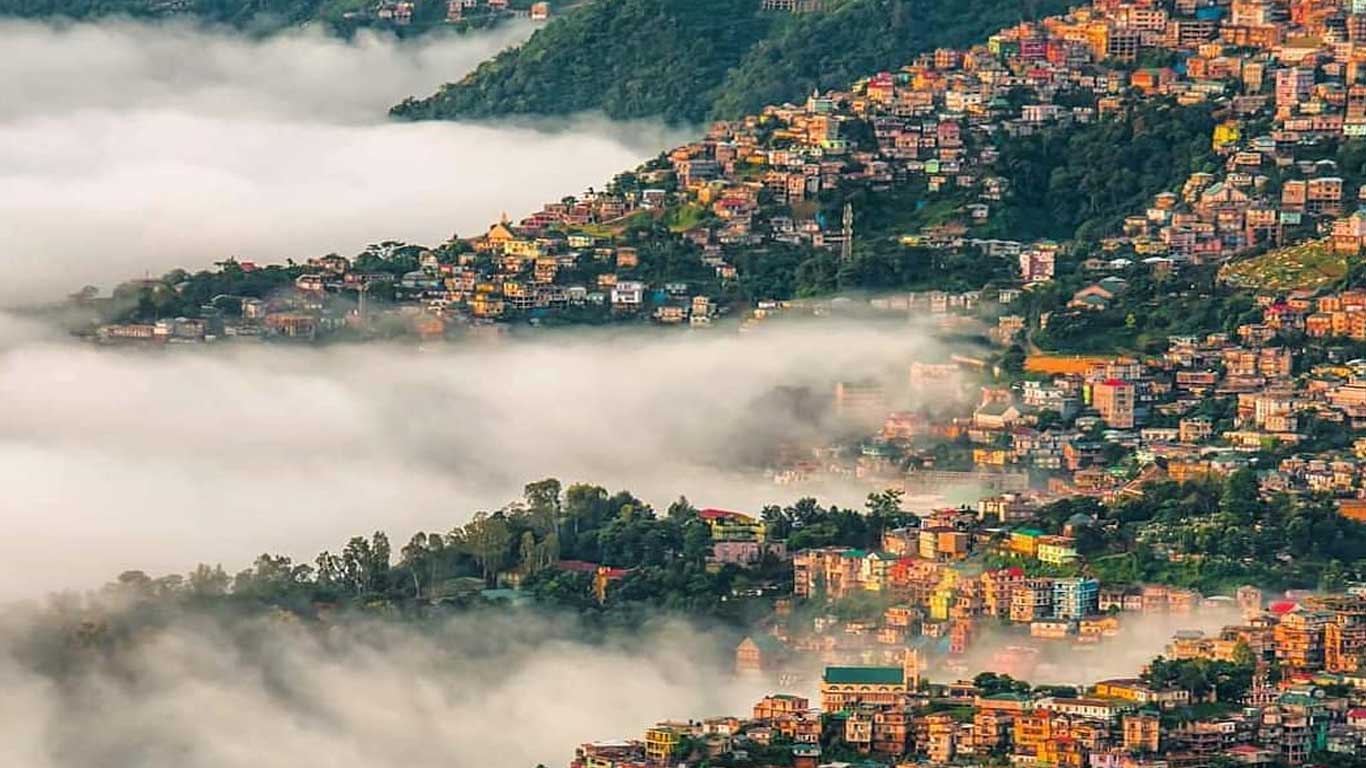
Villages cling to hill slopes, bamboo remains central to architecture and daily life, and church bells often mark the rhythm of the day. For travellers interested in cultural tourism, heritage walks and slow travel, Mizoram offers a depth that cannot be rushed.
How to Reach Mizoram
Reaching Mizoram has become significantly easier in recent years, though it still demands planning. Among all options, flying remains the most practical and time-efficient way to enter the state.
By air, Lengpui Airport near Aizawl is the primary gateway. Located about 32 kilometres from the city, it is one of the most scenic airports in India, dramatically carved out of a hilltop. Regular flights operate from Kolkata and Guwahati, with connections improving steadily. Imphal also offers occasional connectivity depending on seasonal schedules. From the airport, shared taxis and private vehicles are easily available to reach Aizawl.
By rail, Mizoram technically connects to the Indian railway network through Bairabi station on the Assam–Mizoram border. However, passenger train frequency is limited, and most tourist destinations lie far from Bairabi. For practical travel planning, rail is best used only in combination with road transport, and even then, it remains inconvenient for most visitors.
By road, Mizoram is accessible via NH-306 from Assam and NH-108 connecting Tripura’s Jampui Hills to Aizawl. Road journeys are scenic but long, and landslides during the monsoon can cause delays. For seasoned road travellers, this can be an adventure, but for most tourists, flying into Aizawl is the preferred choice.
Aizawl – Capital City and Cultural Hub
Aizawl is not a typical hill capital filled with tourist crowds. Instead, it feels lived-in, calm and surprisingly modern. Built along steep ridges, the city unfolds in layers, offering panoramic views at almost every turn. It serves as the base for most Mizoram sightseeing tours and is also the centre for hotels, transport and government permits.
Within and around Aizawl, attractions include the Durtlang Hills, which provide sweeping views of the city and surrounding valleys, and Bung, a quiet locality ideal for understanding daily Mizo life. Tamdil Lake, located a short drive away, is a serene picnic spot surrounded by forested hills. Paikhai offers elevated viewpoints, while the Mizoram State Zoological Garden is known for its spacious enclosures and native species. Sibuta Lung, a historically significant memorial stone, adds a cultural dimension to the city’s sightseeing circuit.
Aizawl is also the best place to sample Mizo cuisine, explore local markets and arrange onward travel. Most Mizoram tour packages begin and end here for good reason.
Champhai – The Fruit Bowl of Mizoram
Champhai lies close to the Indo-Myanmar border and feels distinctly different from Aizawl. At an altitude of approximately 1,678 metres, the climate is cooler and the landscape more open, with gently rolling hills and extensive cultivation. Often referred to as the “Fruit Bowl of Mizoram”, Champhai is known for grapes, apples and seasonal produce.
The town acts as a gateway to some of the most impressive natural attractions in eastern Mizoram. Murlen National Park, though relatively lesser-known, is rich in biodiversity and dense forest cover. Rih Dil, a heart-shaped lake located just across the border in Myanmar but accessible from the Indian side with permissions, holds immense cultural and spiritual importance for the Mizo people. Kawlkulh, Phawngpui Peak, also known as the Blue Mountain, Lenteng Hills and the nearby wildlife sanctuary add to Champhai’s appeal for nature lovers and photographers.
Champhai suits travellers interested in offbeat sightseeing, borderland cultures and slow exploration rather than fast-paced itineraries.
Lunglei – Nature, Legends and Wildlife
Lunglei, meaning “Bridge of Rock”, is another important town and the second-largest urban centre in Mizoram. The name itself comes from a natural rock formation resembling a bridge, which remains one of the town’s most intriguing sights. Compared to Aizawl, Lunglei feels more rural and deeply connected to the surrounding forests.
The region is rich in flora and fauna, making it ideal for travellers interested in wildlife and nature tourism. Serkawn, a historic missionary settlement, provides insight into the early interactions between the Mizo people and European missionaries. Khawnglung Wildlife Sanctuary and Saza Wildlife Sanctuary offer opportunities to experience Mizoram’s lesser-known ecosystems, while Theiriat Tlang serves as a scenic viewpoint ideal for quiet evenings.
Lunglei works best as part of a longer Mizoram itinerary rather than a short stopover, especially for travellers keen on immersive experiences.
Weather in Mizoram – Best Time to Visit
Mizoram enjoys a moderate climate throughout the year due to its elevation. Summers from March to May are pleasant, with temperatures rarely becoming uncomfortable. This period is excellent for sightseeing, village walks and photography.
The monsoon arrives around June and lasts until September, bringing heavy rainfall. While the hills turn lush and green, landslides and road disruptions are common, making travel slower and sometimes unpredictable. Monsoon travel is best suited to experienced travellers who prioritise scenery over strict schedules.
October to February is considered the best time to visit Mizoram. The weather remains cool and dry, skies are clear, and festivals such as Chapchar Kut bring cultural vibrancy. Winter nights can be chilly, especially in Champhai and Lunglei, but daytime conditions are ideal for exploration.
Accommodation and Travel Planning in Mizoram
Hotels in Mizoram range from simple government-run lodges to comfortable private hotels and homestays, especially in Aizawl and Champhai. Luxury accommodation is limited, but cleanliness and hospitality standards are generally high. Staying in locally run properties enhances the experience and supports community-based tourism.
Given the terrain and permit requirements for certain areas, organised Mizoram tour packages make planning significantly easier. A well-designed itinerary ensures smooth transport, reliable accommodation and access to less-visited regions without logistical stress.
Frequently Asked Questions About Mizoram
Many travellers ask whether permits are required to visit Mizoram. Inner Line Permits were earlier mandatory, but current regulations allow Indian tourists to travel freely, while foreign nationals may still require registration depending on nationality and itinerary.
Another common question concerns safety. Mizoram is widely regarded as one of the safest states in India, with low crime rates and strong community policing. Solo travellers, including women, generally find the state welcoming and secure.
Visitors also wonder about internet connectivity. Mobile networks function well in urban areas like Aizawl, though connectivity may be limited in remote regions. Cashless payments are increasingly accepted, but carrying some cash is advisable.
Food often raises curiosity. Mizo cuisine is mild, rice-based and uses local herbs and fermented ingredients. While pork is common, vegetarian options are easily available in towns.
Plan Your Mizoram Journey with NBTT
Mizoram is not a destination for ticking boxes; it is a place to slow down, observe and connect. Whether you are looking for curated sightseeing, culturally sensitive itineraries or reliable tour packages that go beyond standard routes, expert planning makes all the difference.
For thoughtfully designed Mizoram tours, personalised itineraries, hotel bookings and seamless ground support, connect with NBTT Travel Solution Private Limited. Speak directly with experienced travel planners who understand the Northeast at a ground level. Call +919733300696 and let NBTT help you explore Mizoram the way it deserves to be experienced.
East Himalaya
-
Address:NBTT Travel Solution Private Limited, 19, MN Sarkar Road, Sevoke More Siliguri, State : West Bengal, Country : India. PIN : 734001
-
Call Us at:
+91-9733300696 -
Mail Us:
info@east-himalaya.com
