
Nagaland 
Nagaland – The Land of Festivals and Living Traditions
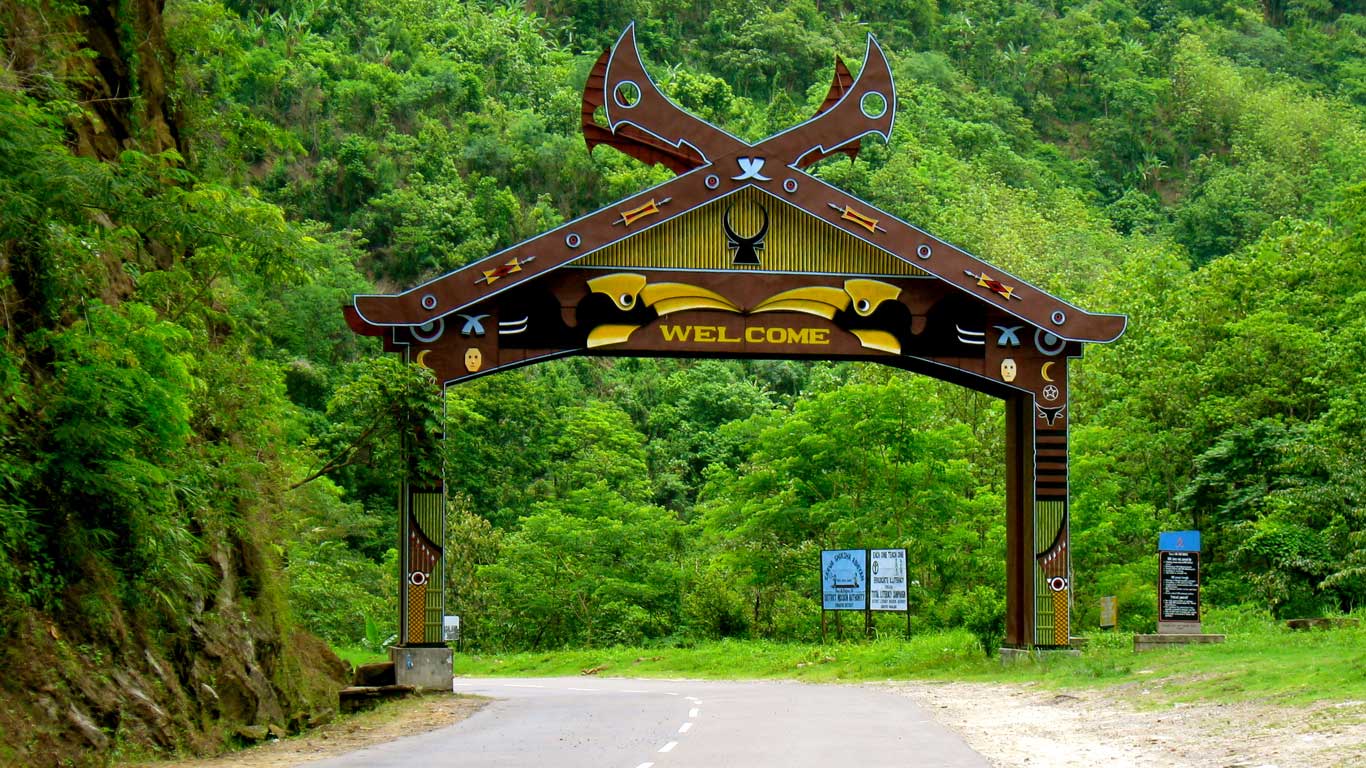
Tucked away in the far northeastern corner of India, Nagaland is one of the country’s most culturally intense and visually striking states. Mountainous, forested and fiercely proud of its identity, Nagaland shares its borders with Arunachal Pradesh to the north, Assam to the west, Manipur to the south, and Myanmar to the east. This strategic location has shaped not only its landscape but also its people, traditions and history.
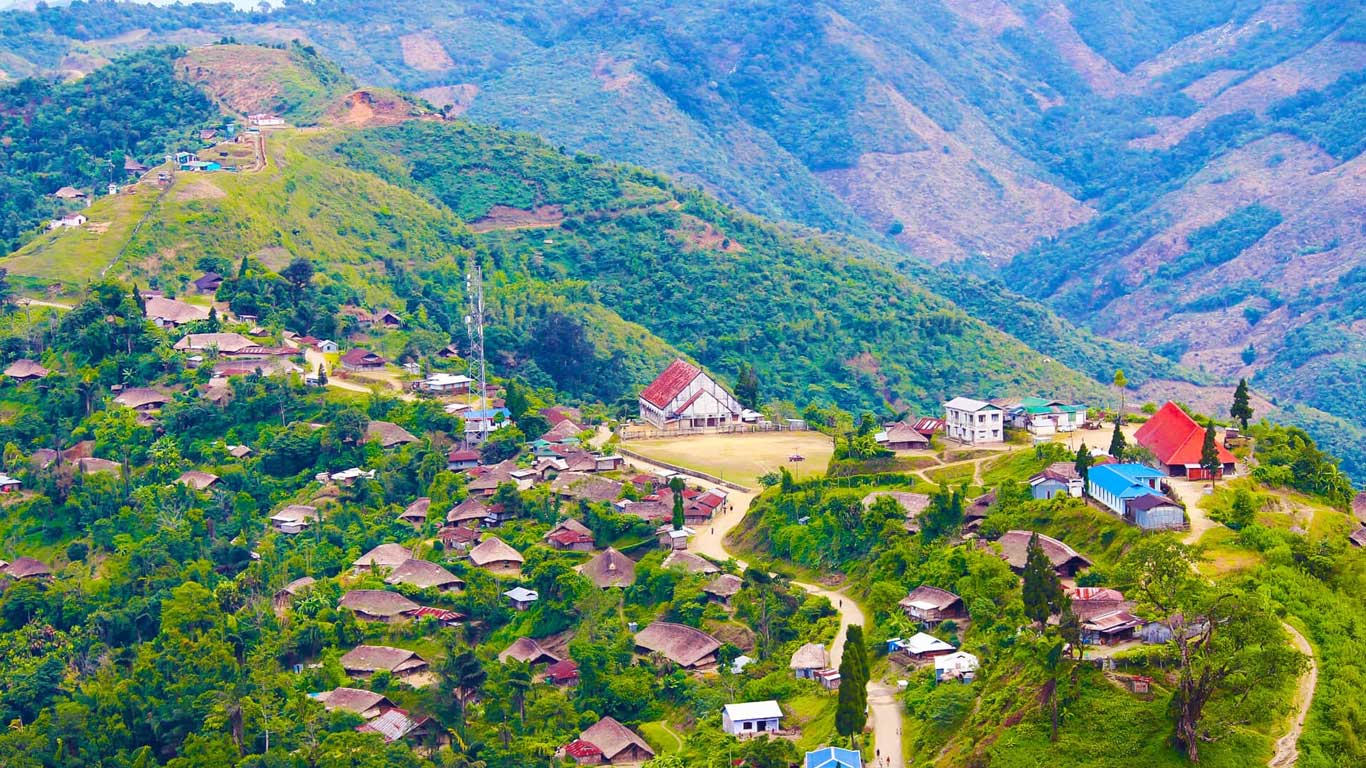
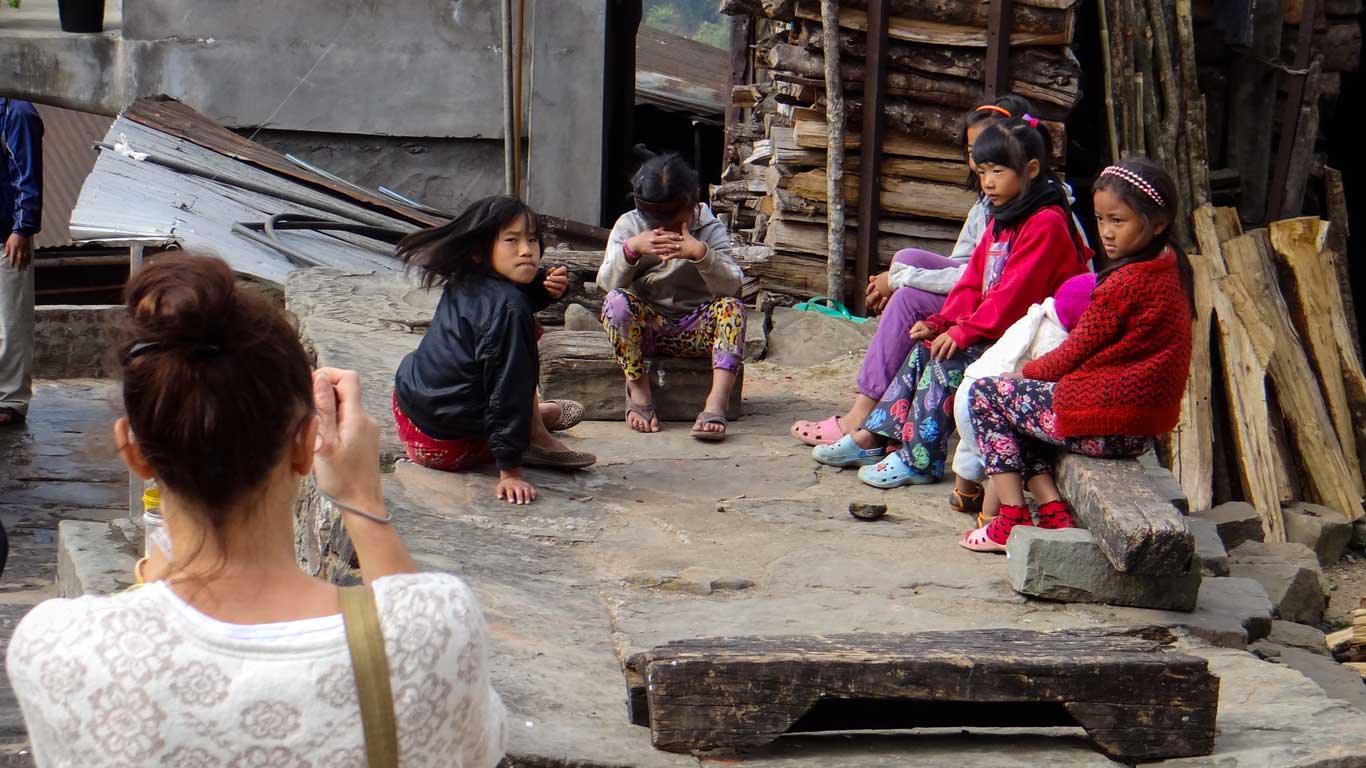
With an area of about 16,579 square kilometres, Nagaland may appear small on the map, but culturally it is vast. The state is home to 16 major Naga tribes, each with its own language, attire, customs, festivals and folklore. Unlike many destinations that offer sightseeing alone, Nagaland offers living culture, where traditions are not preserved in museums but practised daily in villages, churches and community spaces.
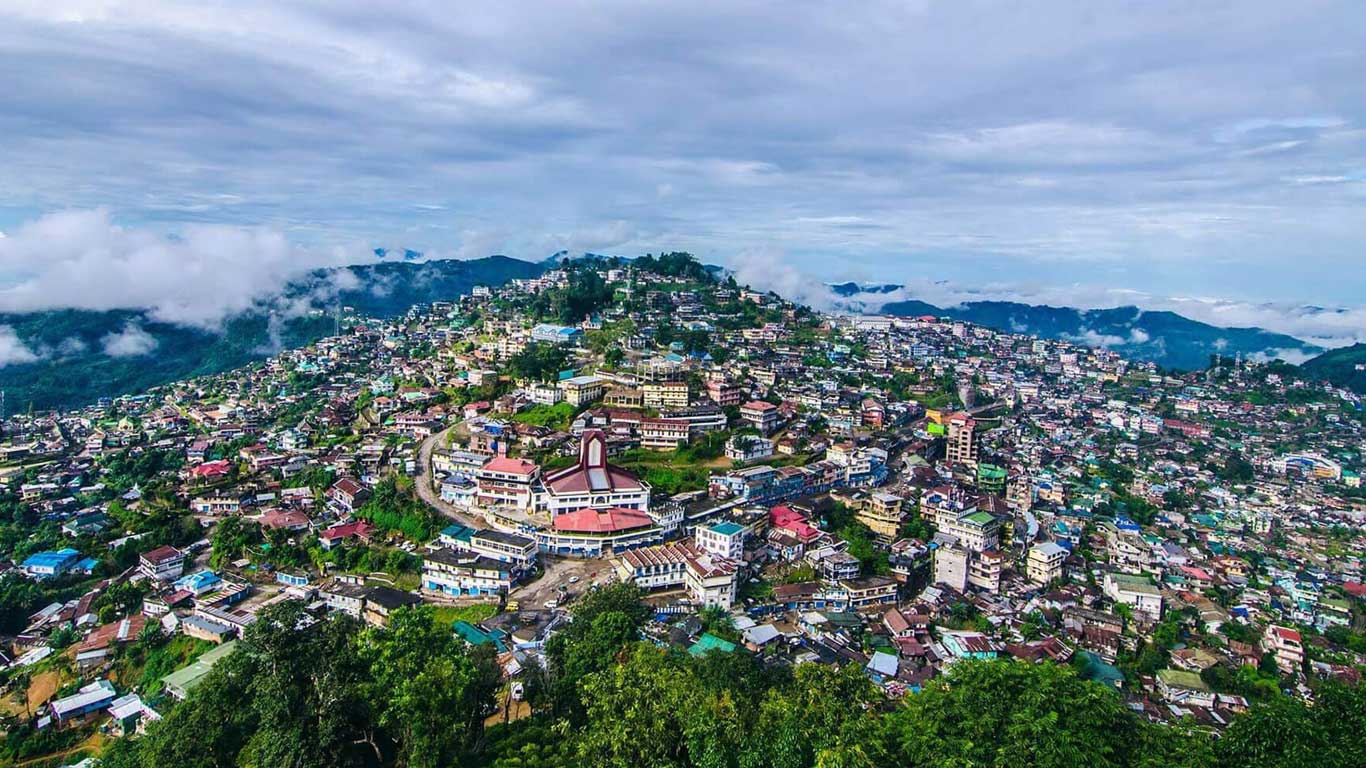
Kohima, the capital city, sits in the hills and serves as the cultural and administrative heart of the state, while Dimapur, located in the plains, is the commercial gateway and main entry point for most travellers. Together, these two towns anchor Nagaland’s tourism circuit.
The People, Tribes and Identity of Nagaland
Nagaland’s identity is inseparable from its people. The Naga tribes are known for their strong sense of community, vibrant oral traditions and distinctive visual culture. Among the major tribes are the Angami, Ao, Sema, Lotha, Konyak, Chang, Chakhesang, Phom and Rengma, each occupying different regions of the state.
Despite this diversity, a shared sense of Naga identity binds the state together. One of the reasons Nagaland feels welcoming to travellers is language—English is the official language, and a large section of the population is comfortable communicating in English. This makes cultural exchange easier and travel more relaxed compared to many other remote regions.
Christianity plays a central role in modern Naga society, influencing daily life, music and community gatherings, yet traditional customs, village councils and ancestral practices remain deeply respected.
Festivals of Nagaland – A Celebration All Year Round
Nagaland is often called the Land of Festivals, and rightly so. With so many tribes, festivals occur almost every month, each linked to agriculture, seasons, community renewal or spiritual beliefs. While Christianity has introduced celebrations like Christmas and Easter, tribal festivals remain equally important.
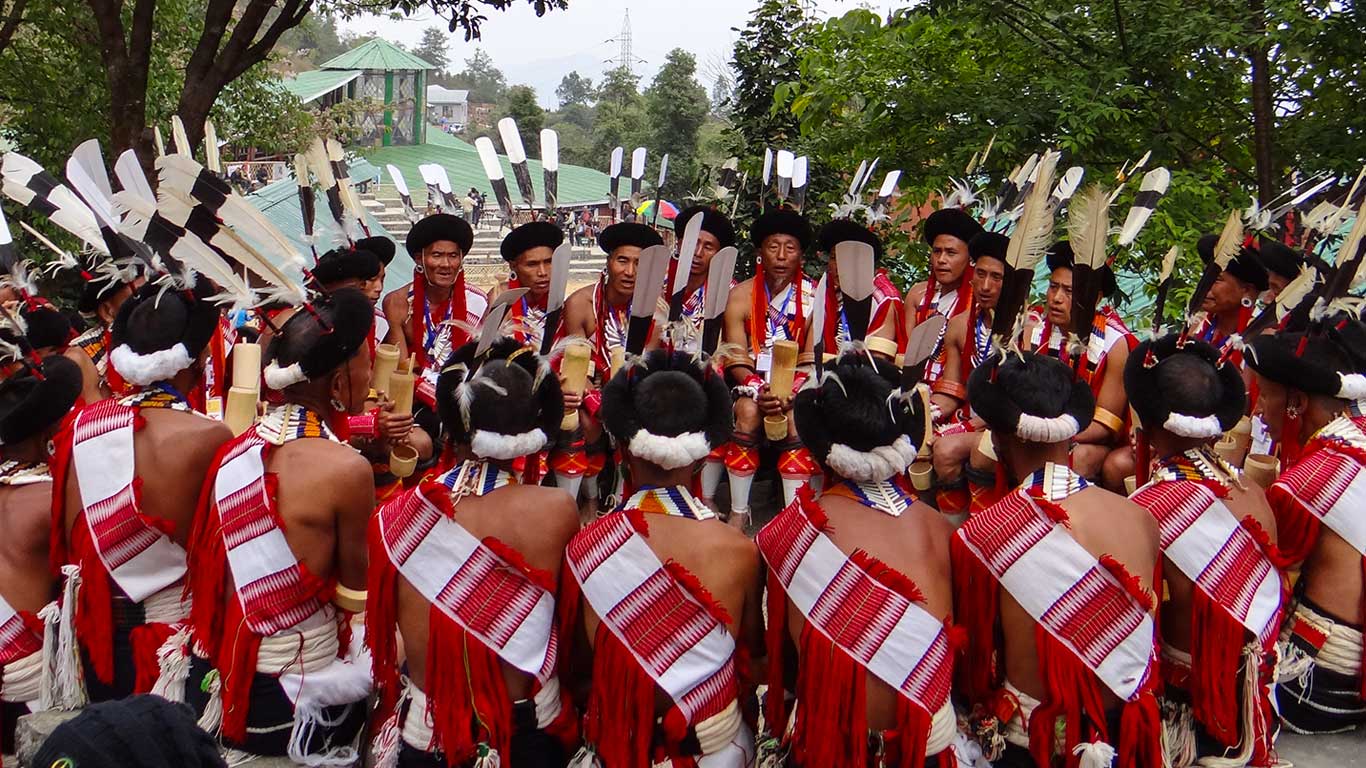
The Angami tribe celebrates Sekrenyi, a festival of purification and renewal. The Ao tribe celebrates Moatsu, marking the completion of sowing and the beginning of rest and festivity. Tsüngremong, another Ao festival, focuses on thanksgiving and communal bonding. Tribes such as the Lotha, Chang and Konyak have their own equally vibrant celebrations tied to harvest cycles and ancestral traditions.
Above all stands the Hornbill Festival, Nagaland’s most famous cultural event, held every year from 1st to 10th December at Kisama Heritage Village, near Kohima. Often referred to as the Festival of Festivals, it brings all tribes together on one platform and has become one of India’s most significant cultural tourism events.
Top Tourist Destinations in Nagaland
Kohima is more than a capital city; it is the cultural soul of Nagaland. Known for the Kohima War Cemetery, historic villages like Khonoma, and its role during World War II, Kohima offers a mix of history, village culture and scenic hill views.
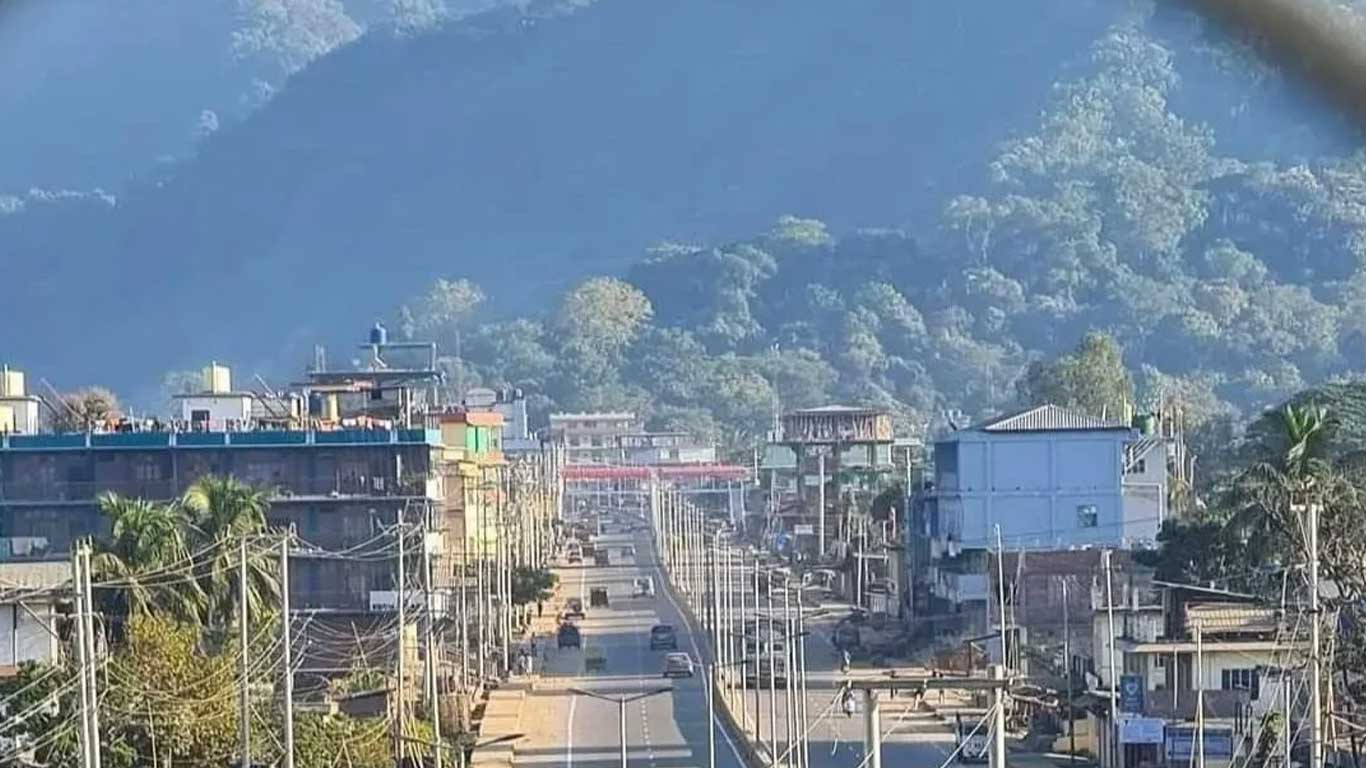
Dimapur, though largely commercial, is the state’s gateway. It houses the only airport and railway station in Nagaland and offers attractions like the Kachari Ruins, zoological park and local markets. Most Nagaland tour packages begin or end here.
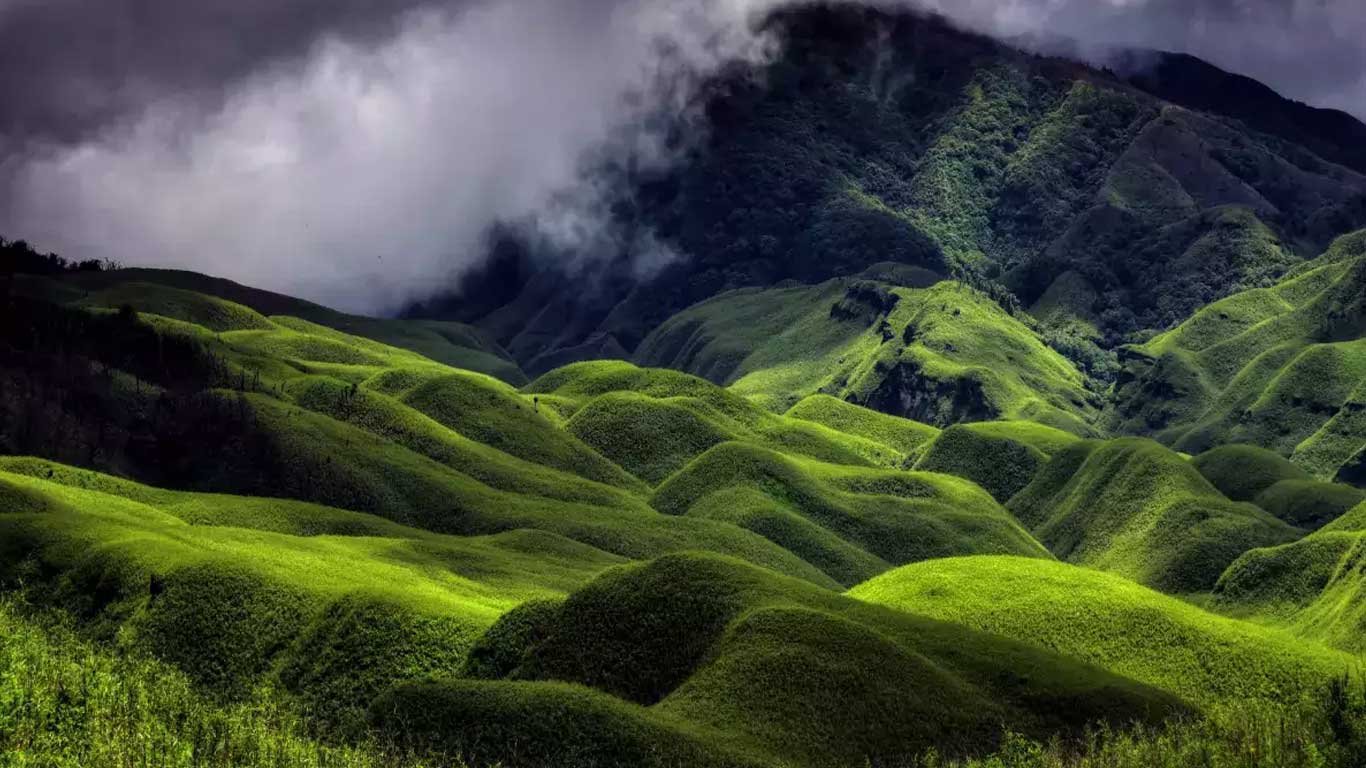
Beyond these, destinations such as Mokokchung, the cultural heart of the Ao Nagas, Mon, home of the Konyak tribe, and Dzukou Valley, famous for trekking and seasonal flowers, offer deeper and more immersive travel experiences.
Local Weather and Best Time to Visit Nagaland
Nagaland enjoys a moderate mountain climate, varying with altitude. Summers from April to June are pleasant, with temperatures generally staying comfortable in the hills. The monsoon season from June to September brings heavy rainfall, lush greenery and occasional landslides, making travel slower but scenic.
Winters, from October to February, are cool and dry, especially in Kohima and higher regions. December can get quite cold at night, but this is also the best season for festivals, sightseeing and photography.
The best time to visit Nagaland is from October to May, with December being the most popular due to the Hornbill Festival.
Getting to Nagaland
Nagaland is best accessed through Dimapur, which serves as the state’s primary transport hub. Dimapur Airport is the only airport in Nagaland and has regular flights from Kolkata, Guwahati, Delhi and other major cities. Dimapur Railway Station is also the only railhead in the state, connecting Nagaland with the rest of India via Assam.
The state is well connected by road, with major highways such as NH 29, NH 36, NH 61 and NH 150 linking different regions. Road journeys in Nagaland are scenic but slow, so travel planning should always factor in terrain and weather.
Accommodation and Travel Style in Nagaland
Nagaland offers a mix of hotels, guest houses and homestays, especially in Kohima and Dimapur. In smaller towns and villages, homestays are often the best option and provide a more authentic experience. During peak seasons, especially around the Hornbill Festival, accommodation availability becomes tight, making booking essential.
Travelling in Nagaland is best done through customised tour packages, as distances, permits, local customs and logistics require local knowledge and careful planning.
Frequently Asked Questions About Nagaland
Is Nagaland safe for tourists?
Yes, Nagaland is generally safe, and locals are hospitable. Responsible travel and local guidance are advised.
Do travellers need permits to visit Nagaland?
Indian travellers usually require an Inner Line Permit, while international travellers need special permits, which can be arranged in advance.
Is Nagaland suitable for solo travellers?
Yes, especially for culturally sensitive and slow travellers, though guided travel is recommended for remote areas.
What kind of food is available?
Local cuisine features smoked meats, bamboo shoots and fermented ingredients, along with Indian and continental options in towns.
Explore Nagaland with NBTT Travel Solution
Nagaland is not a destination to rush through—it is meant to be understood, listened to and experienced slowly. NBTT Travel Solution Private Limited specialises in Nagaland tour packages, festival tours, village stays, sightseeing circuits and cultural journeys designed for curious travellers.
With decades of experience in Northeast India, NBTT ensures your journey through Nagaland is smooth, insightful and respectful of local traditions.
To plan your Nagaland trip, call or WhatsApp NBTT at +91 9733300696 and let experienced professionals design a journey that goes beyond the obvious.
East Himalaya
-
Address:NBTT Travel Solution Private Limited, 19, MN Sarkar Road, Sevoke More Siliguri, State : West Bengal, Country : India. PIN : 734001
-
Call Us at:
+91-9733300696 -
Mail Us:
info@east-himalaya.com
