
Assam 
Assam: The Gateway to Northeast India
Assam is where every great journey into the mystical Northeast truly begins. A land shaped by mighty rivers, endless grasslands, wild forests, ancient kingdoms, and vibrant tribal cultures, Assam stands at the heart of the region—both geographically and culturally. Any itinerary to the Northeast feels incomplete without Assam, because this is the state that introduces travellers to the region’s rhythm, its warmth, its stories, and its unforgettable landscapes.
For Indian travellers, Assam evokes images of Kaziranga’s rhinos, Guwahati’s temples, Majuli’s satras, and the smell of fresh tea from rolling plantations. For European visitors, Assam is a rare combination of culture, wildlife, indigenous heritage, and authentic rural experiences—far removed from mainstream tourism circuits. Whether you come searching for wildlife photography, river island life, craft villages, or simply a journey through untouched nature, Assam holds a special magic.
A Landscape Crafted by Rivers, Hills & Forests
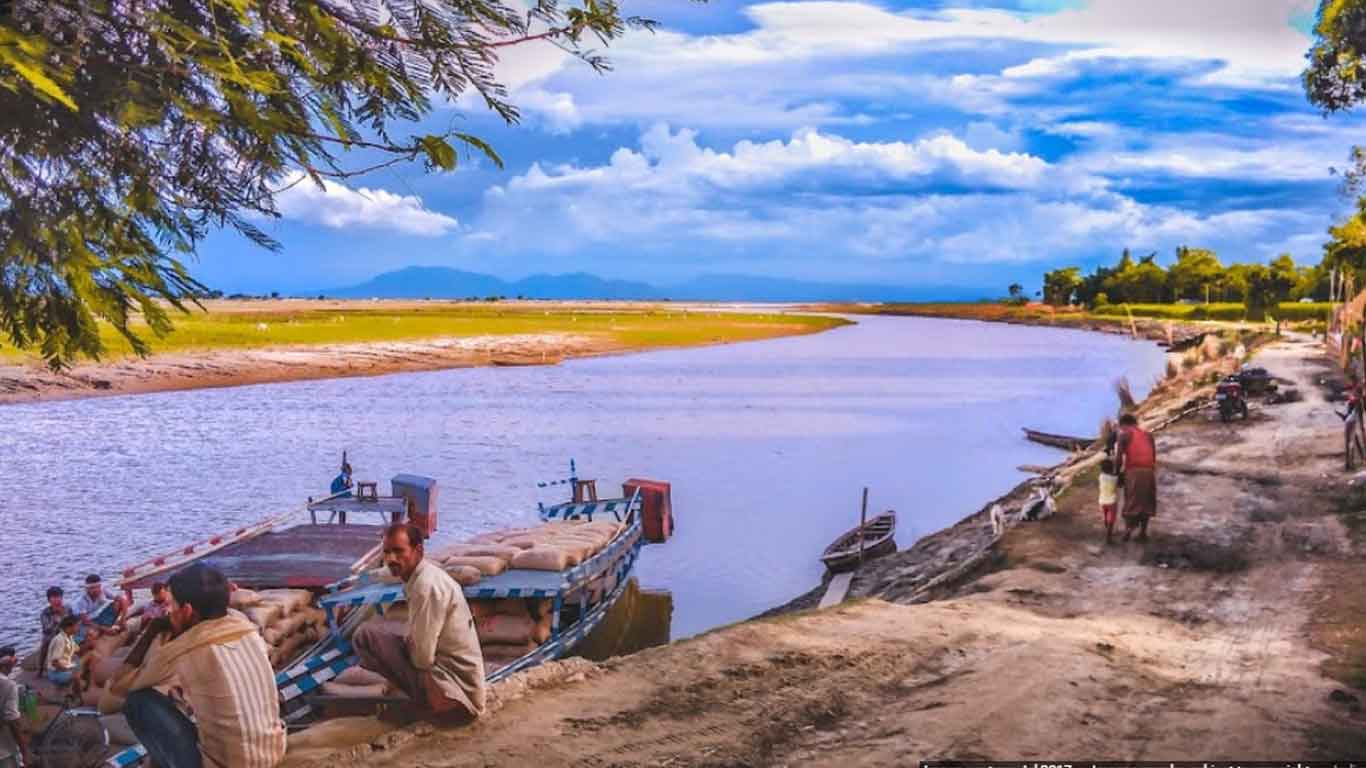
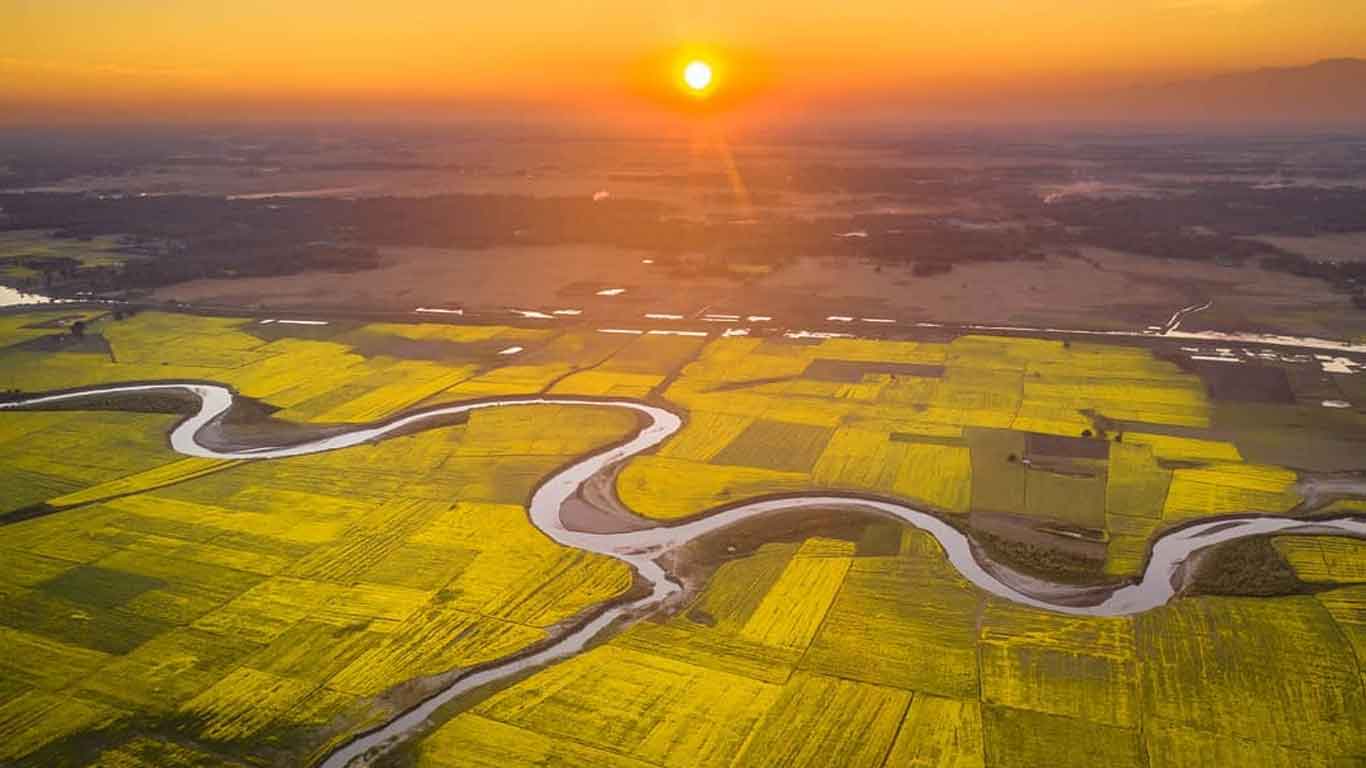
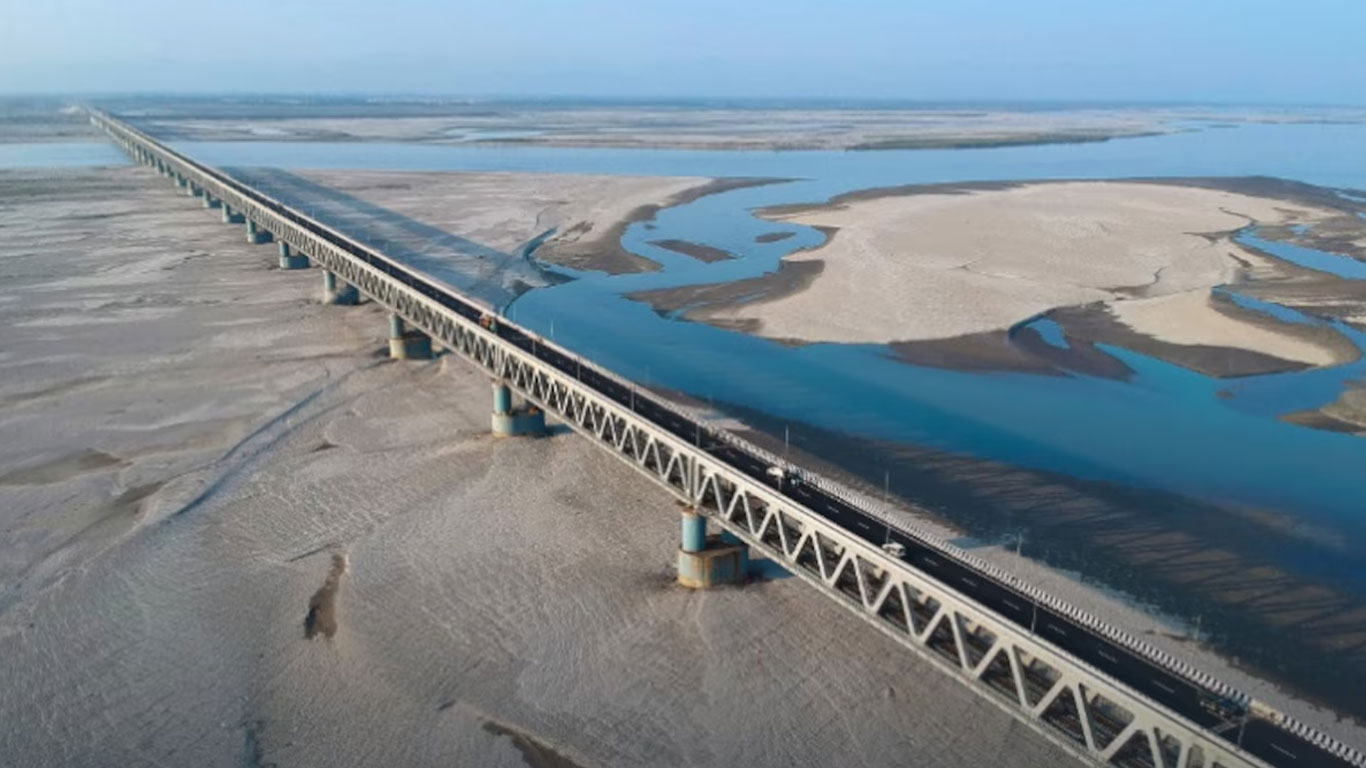
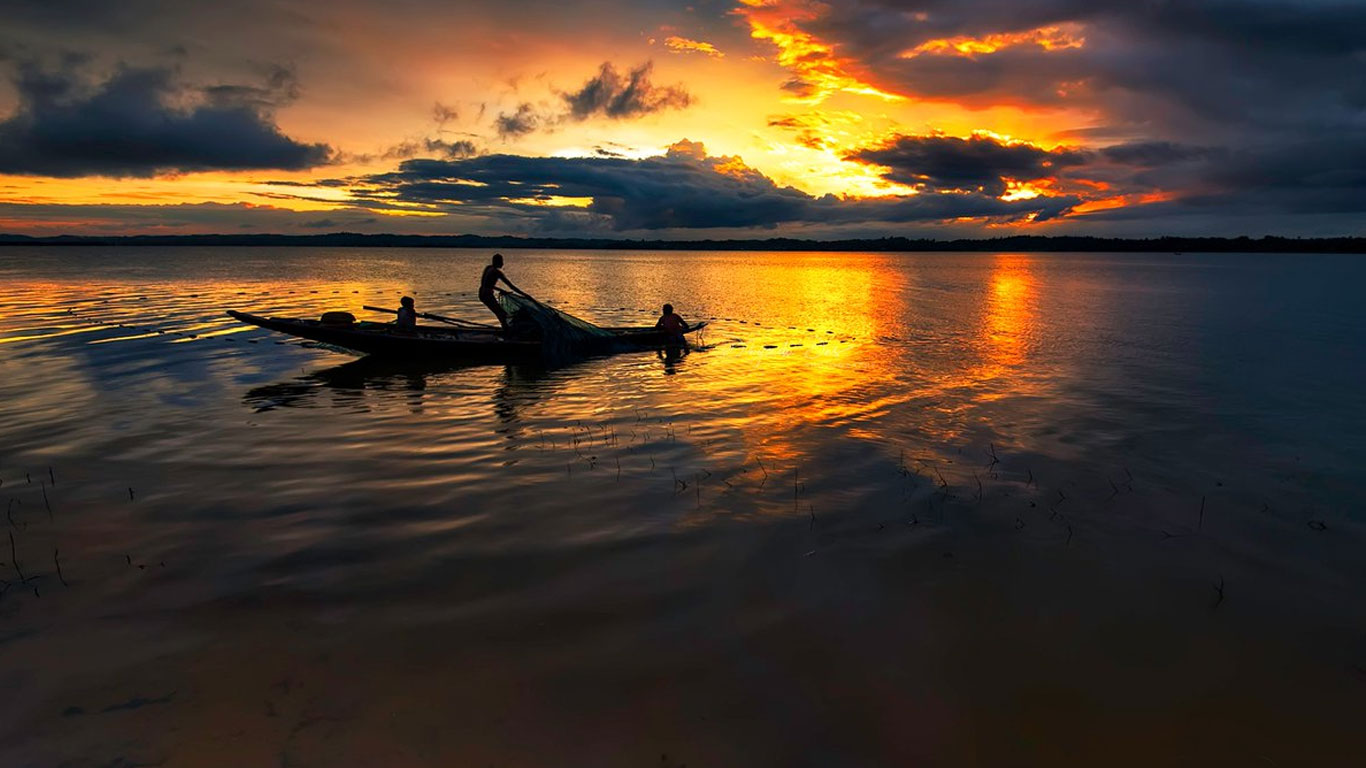
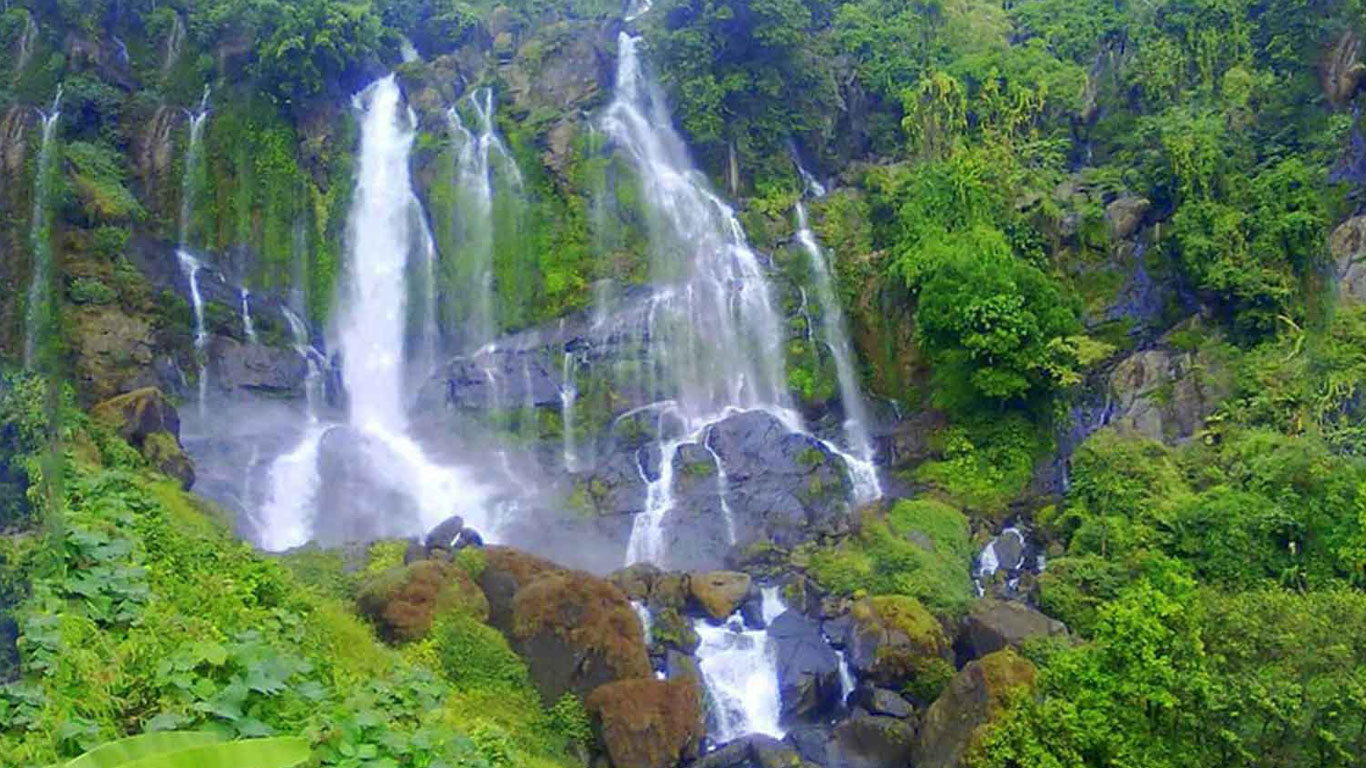
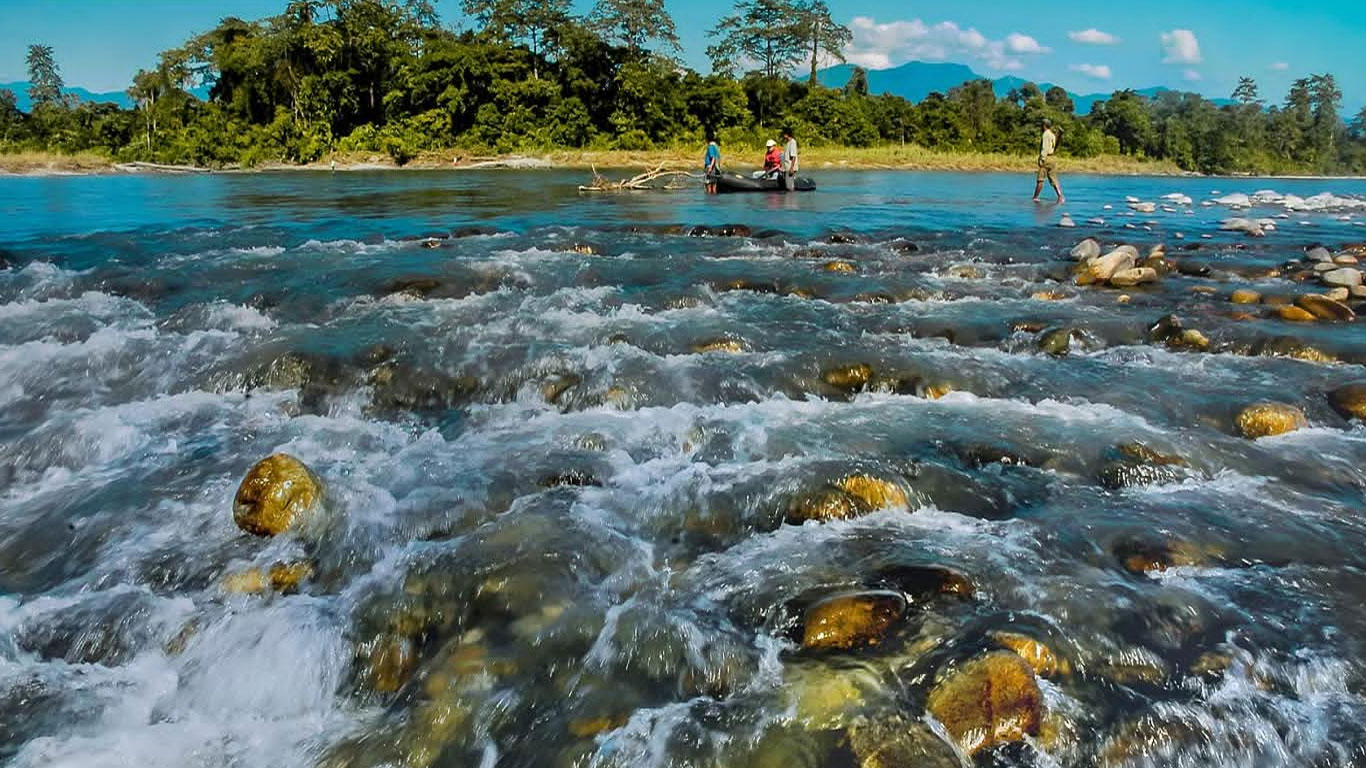
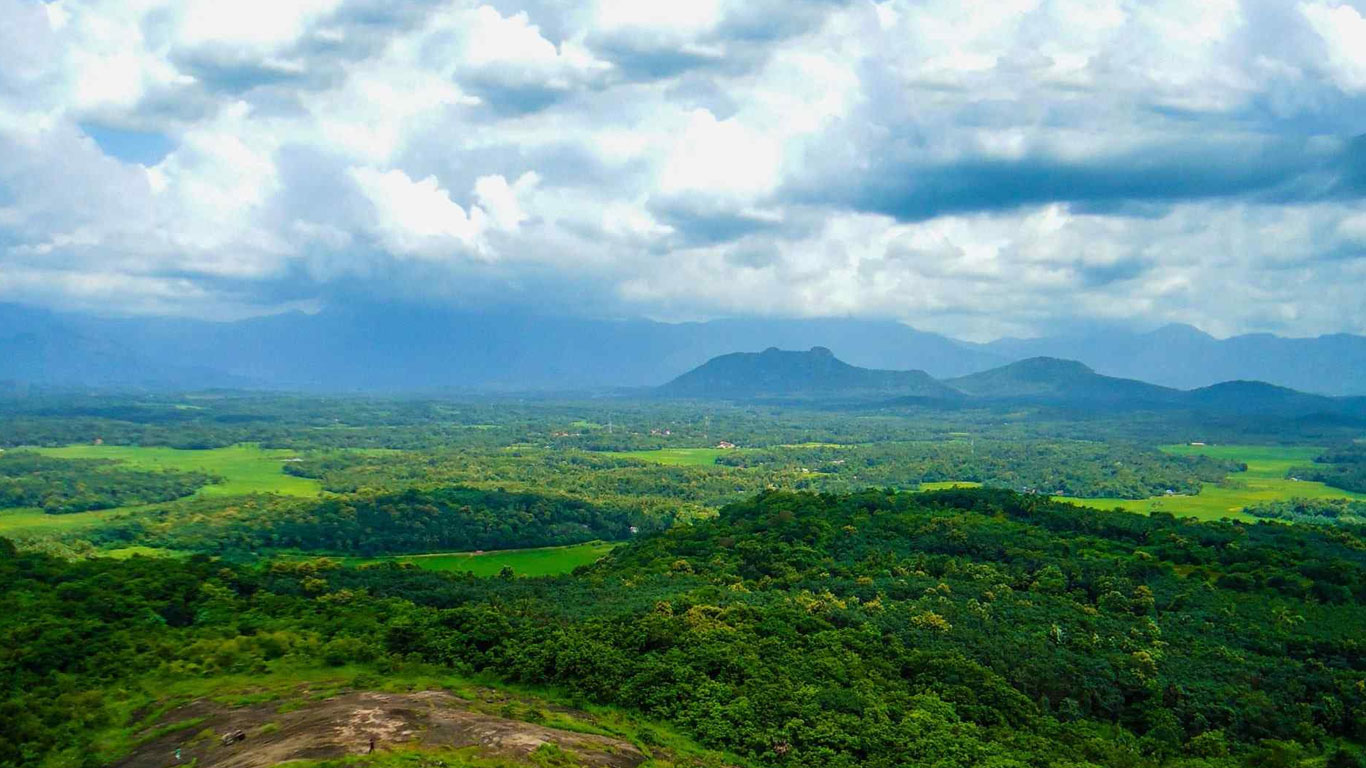
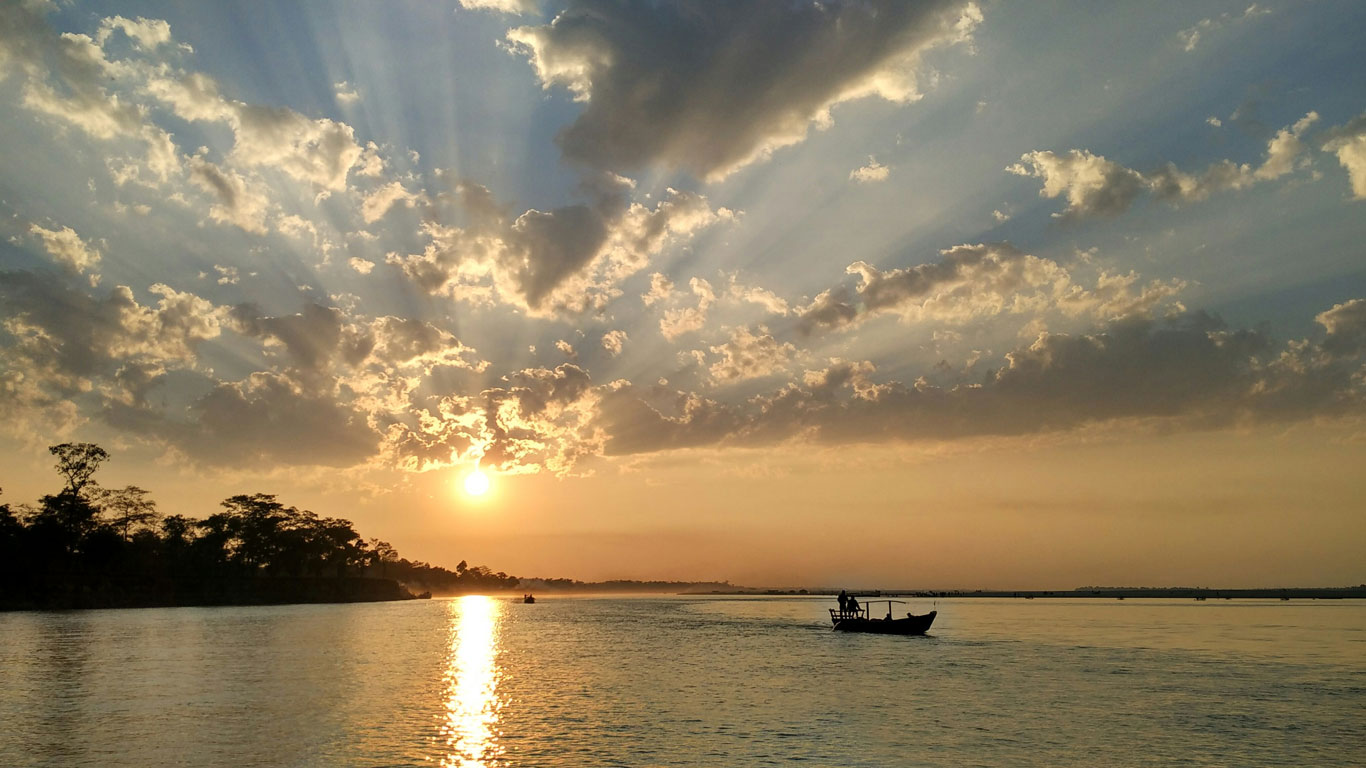
Assam’s geography is unique. The mighty Brahmaputra cuts through the heart of the state, creating vast fertile plains fringed by blue hills and forested plateaus. The biodiversity here is astounding—Assam is one of India’s most forested states and home to some of the world’s richest ecosystems.
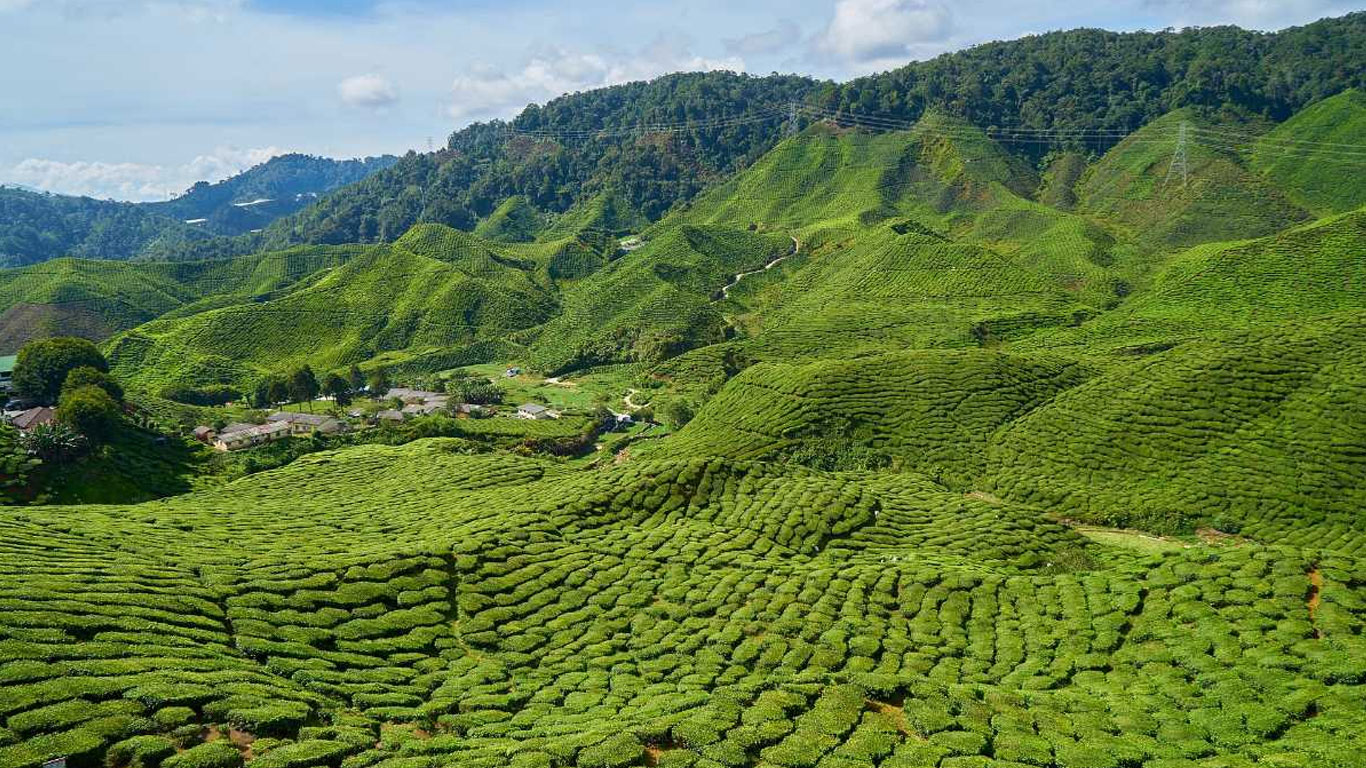
Travellers find themselves driving past tea gardens that stretch to the horizon, tropical rainforests where elephants roam freely, river valleys dotted with tribal villages, and towns that echo with centuries of history. The variety of landscapes ensures that every few hours the scene changes - and each region tells its own story.
Wildlife in Assam: One of India’s Greatest Safaris
Assam’s wildlife is world-famous.
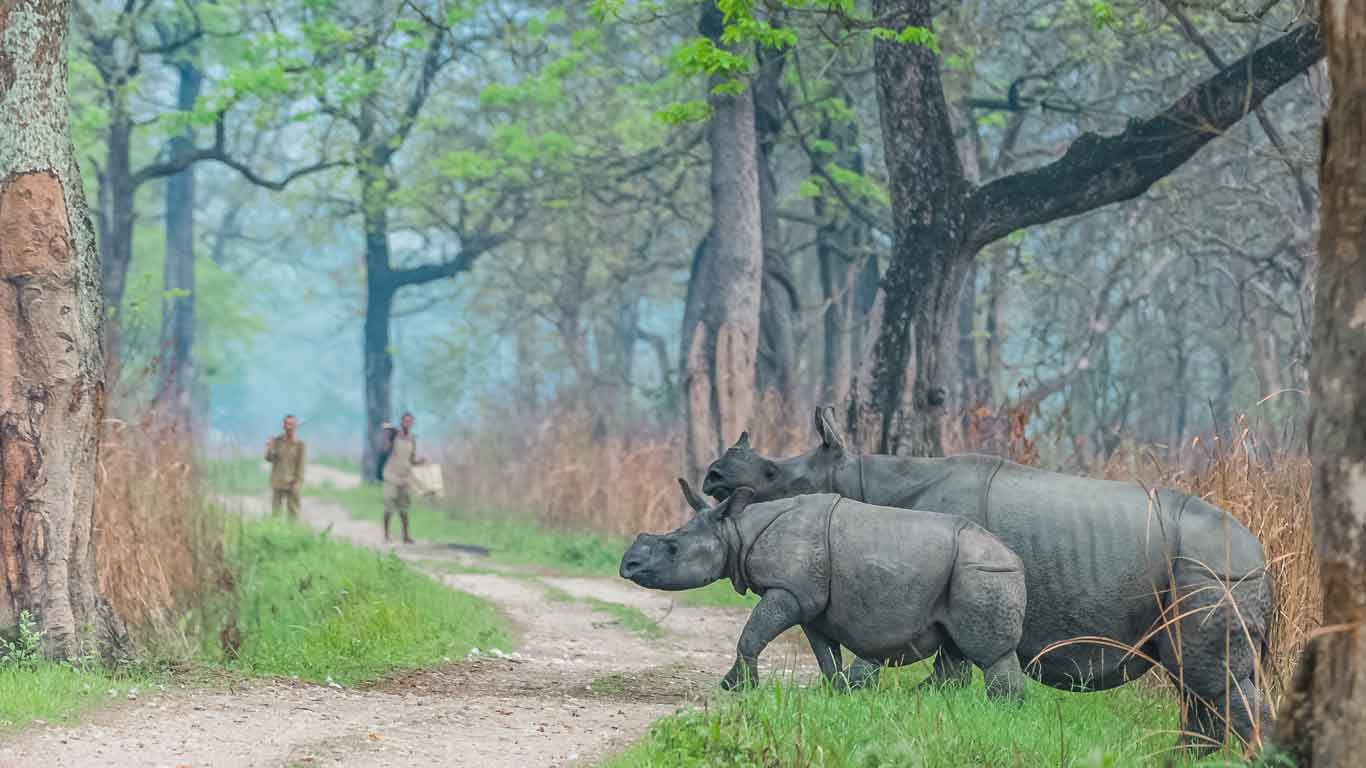
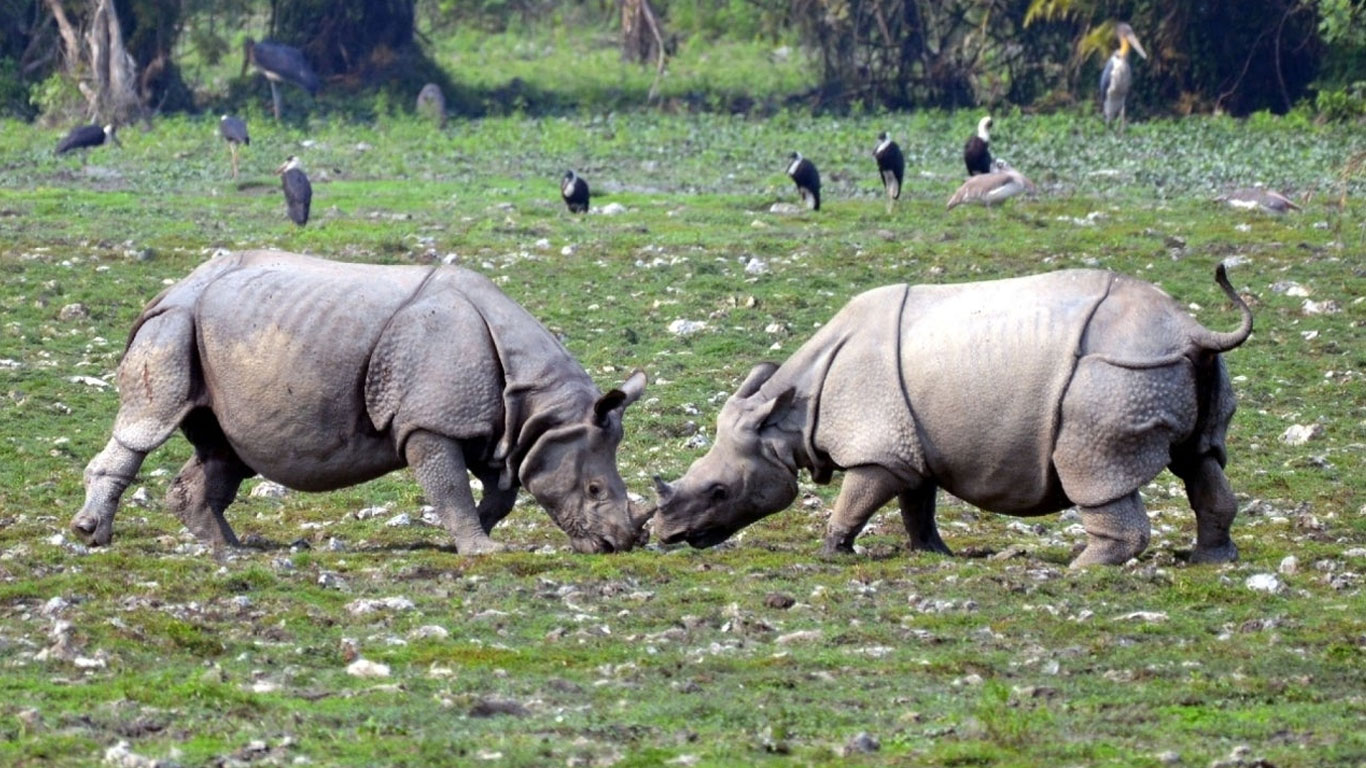
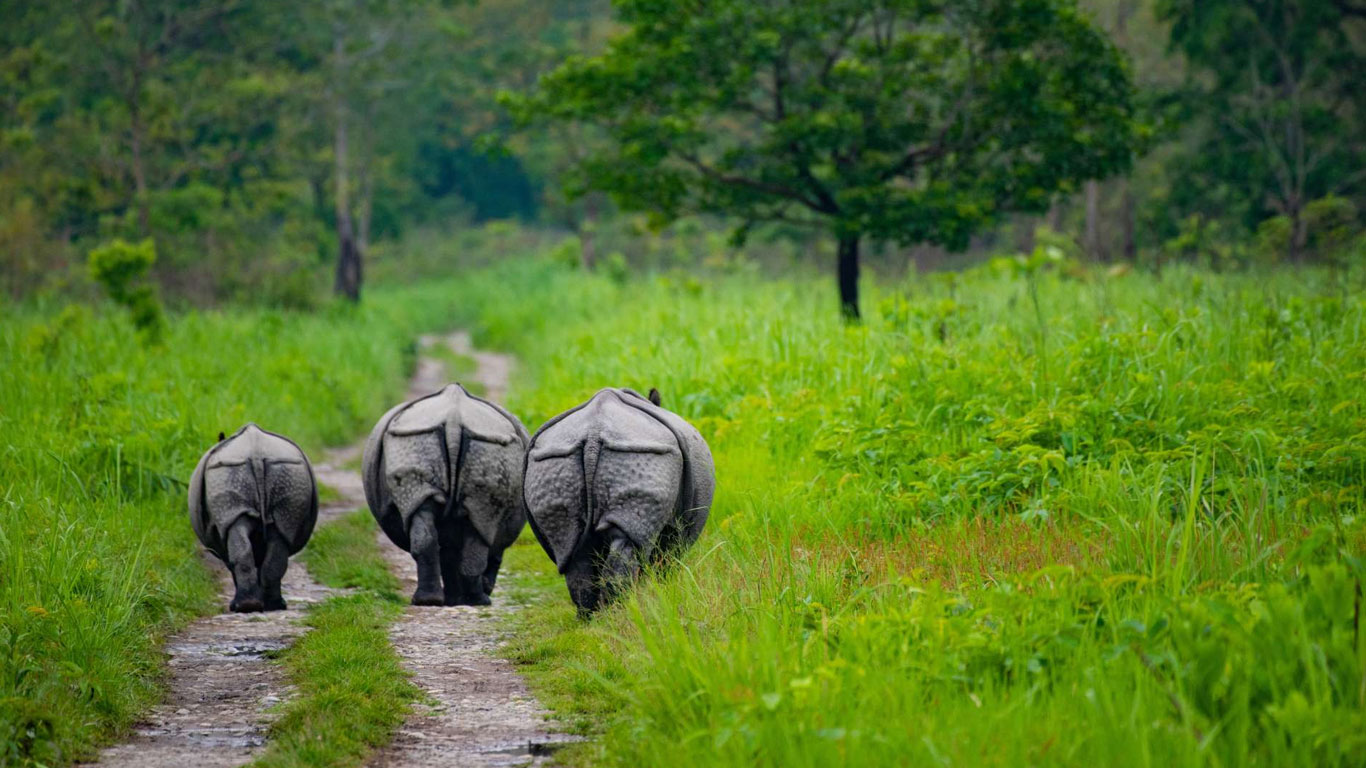
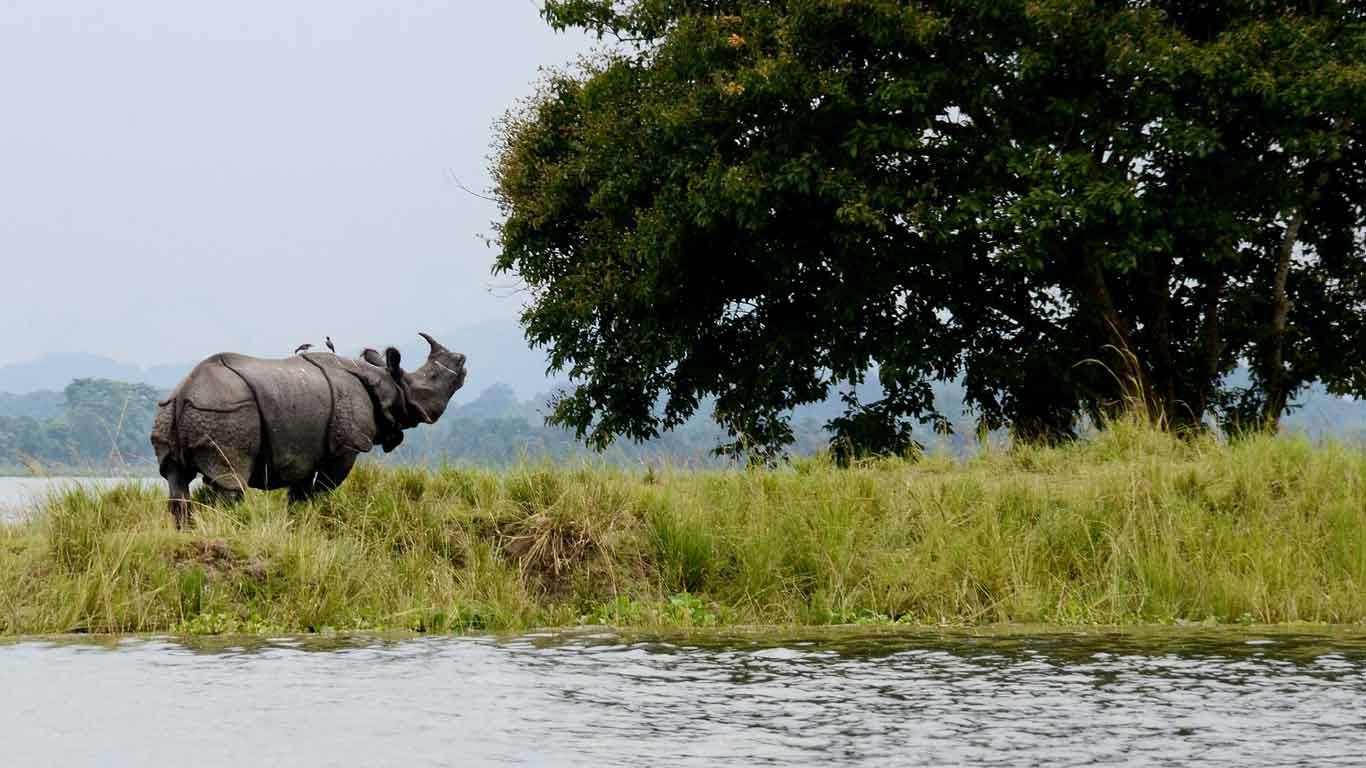
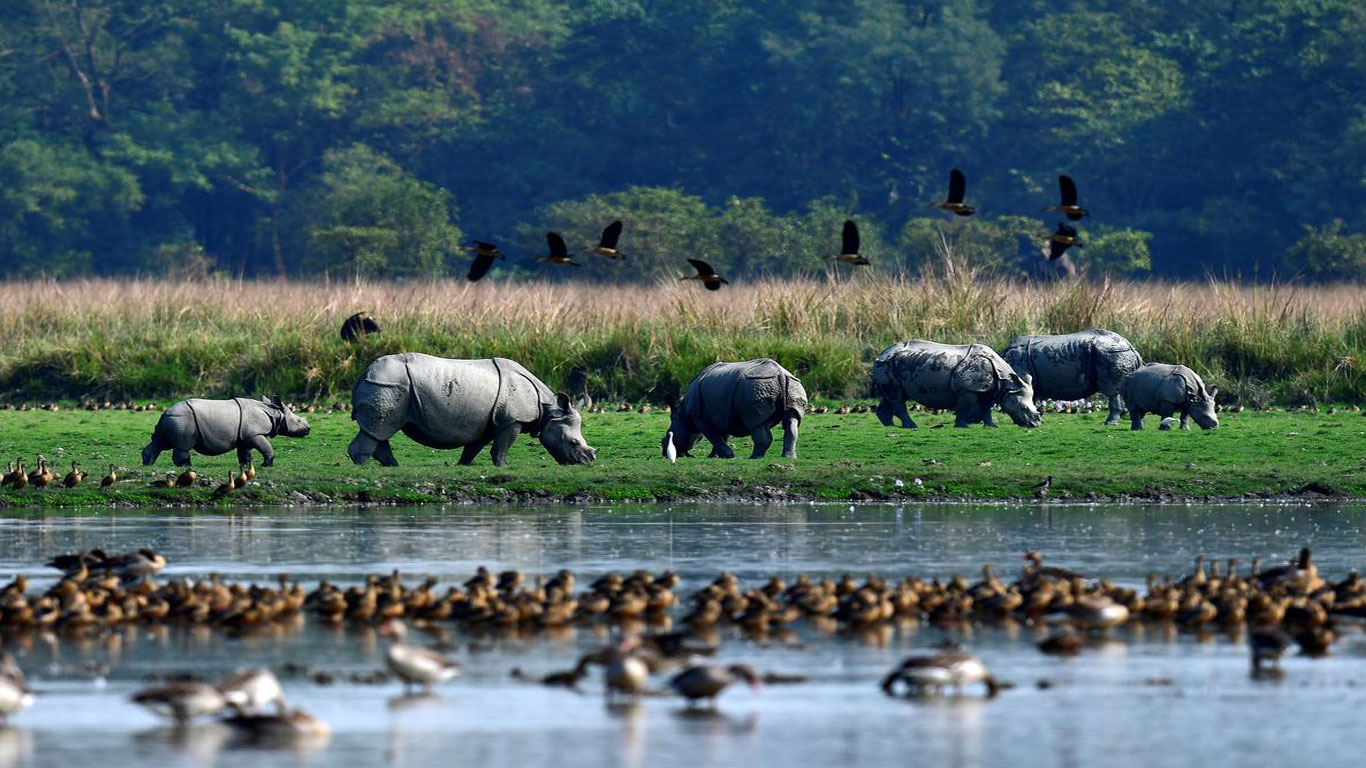
The state is home to the largest population of the endangered one-horned rhinoceros, protected inside two UNESCO World Heritage Sites - Kaziranga National Park and Manas National Park.
Kaziranga National Park
A global conservation success story, Kaziranga’s floodplains, elephant grasslands, wetlands, and river channels create one of the most impressive wildlife habitats in Asia. Jeep and elephant safaris offer sightings of rhinos, wild elephants, hog deer, swamp deer, buffalo, otters, and over 500 species of birds.
Manas National Park
Manas is wilder and more pristine—dense forests, thick riverine valleys, and the foothills of Bhutan give it a timeless appeal. It’s home to tigers, golden langurs, clouded leopards, red pandas (in the Bhutan side), and a rare mix of Himalayan and Assamese species.
Beyond these, Assam has several other protected reserves - Orang National Park, Pobitora Wildlife Sanctuary (with the world’s highest rhino density), Dibru-Saikhowa National Park, Nameri Tiger Reserve, and Chakrashila Wildlife Sanctuary.
For wildlife travellers, birdwatchers, and photographers, Assam is one of India’s richest nature destinations.
Land of Myths, Legends & Living Traditions
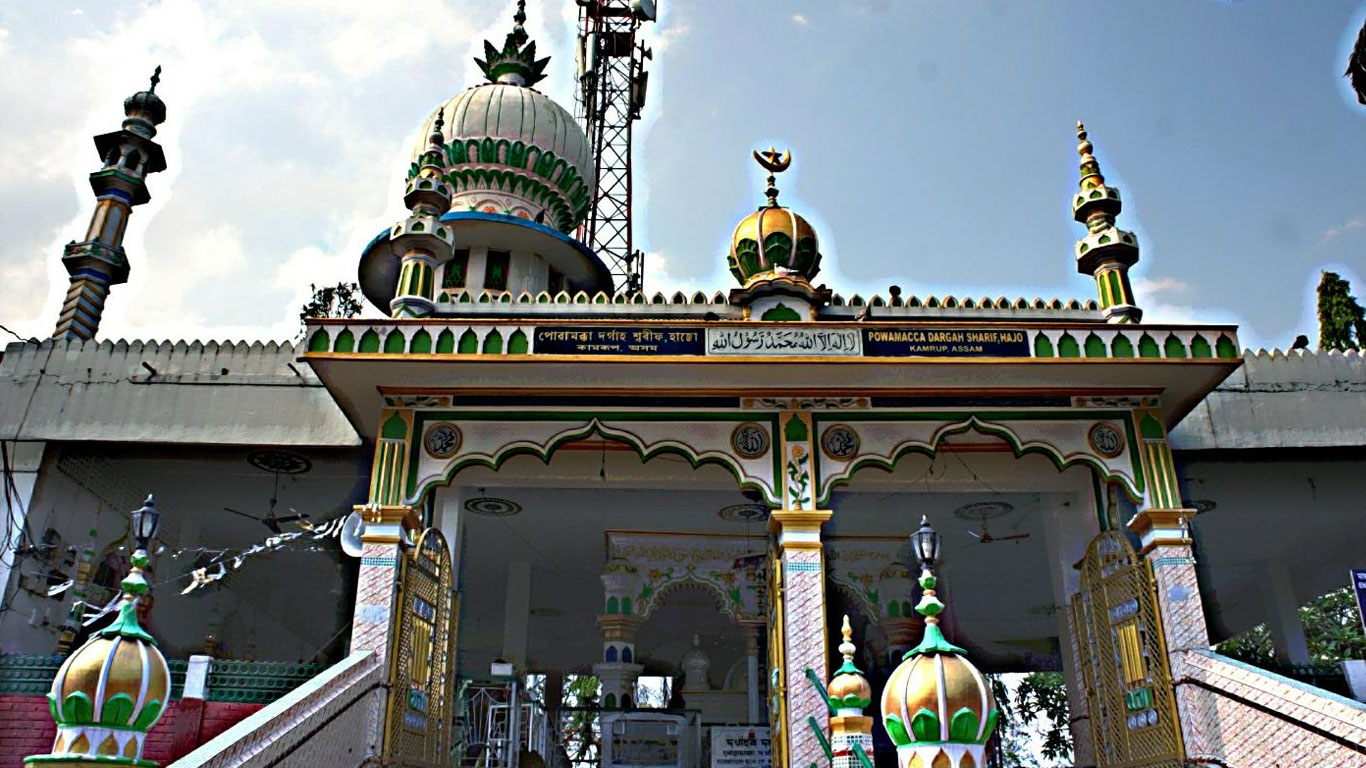
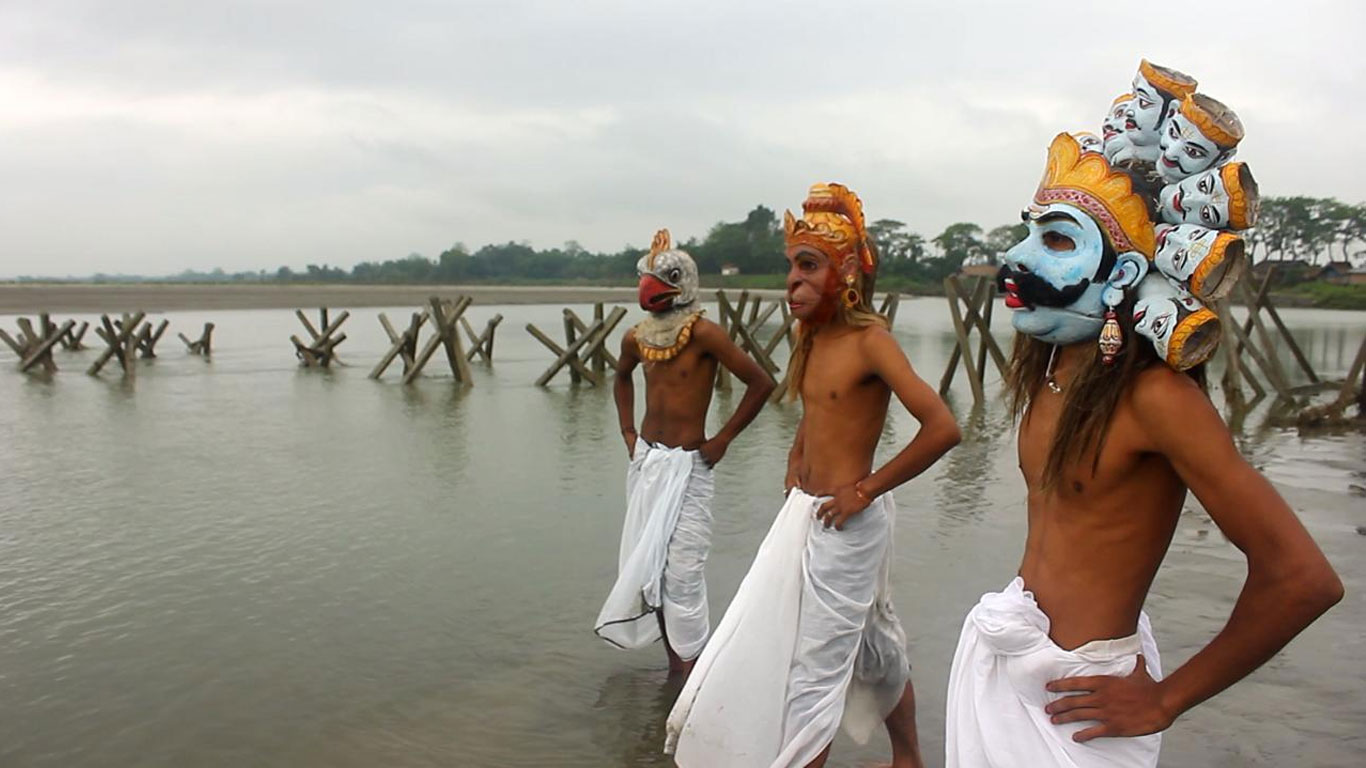
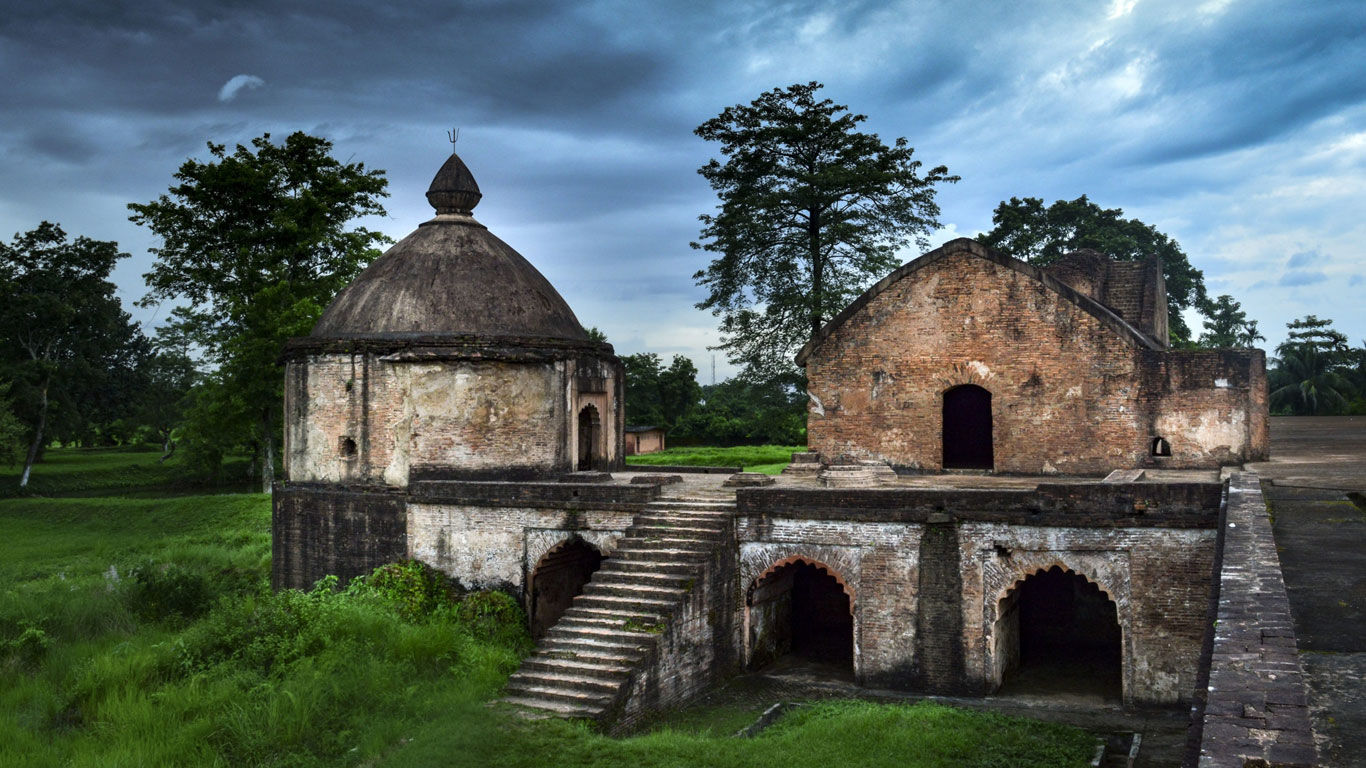
Assam’s culture has always been layered with folklore, ancient myths, and spiritual traditions. The moment you enter the state, you encounter a world where legends blend effortlessly with daily life—whether it’s the story of Kamakhya on the Nilachal Hill, the Vaishnavite satras of Majuli, or the warrior tales of the Ahoms who ruled Assam for nearly 600 years.
Assamese handicrafts - bamboo work, cane ware, bell-metal crafts, and traditional textiles—carry forward centuries of craftsmanship. The state’s festivals like Bihu, Jonbeel Mela, Ambubachi Mela, and the numerous tribal celebrations add extraordinary colour to the cultural landscape.
A Melting Pot of Tribes & Ethnic Communities
Assam is home to a remarkable diversity of ethnic groups.
The Bodo, Kachari, Miri, Rabha, Karbi, Mishimi, and many more indigenous tribes coexist with communities brought in by the British during the early tea plantation era. Bengali, Nepali, Marwari, Manipuri, and tea-tribe communities add to the cultural blend.
For travellers, this diversity is reflected in:
-
food traditions
-
festivals and rituals
-
handicrafts
-
music and dance
-
dress and ornaments
-
architecture of tribal homes
Each region feels different - and exploring Assam becomes a culturally immersive experience.
Why Assam Is Becoming a Top Tourist Destination
Assam brings together everything a traveller looks for—rich history, nature, wildlife, art, music, adventure, and genuine warmth. The state offers:
-
Ancient temples
-
Ruins of the Ahom dynasty
-
River Island culture
-
UNESCO-protected ecosystems
-
Tea estates and colonial heritage
-
Adventure sports like river rafting, angling, and trekking
-
Tribal villages and eco-tourism circuits
In recent years, improved roads, better tourism facilities, and boutique stays in rural areas have made Assam more accessible than ever.
Essential Travel Information
-
Capital: Dispur (in Guwahati)
-
Area: 78,438 sq. km
-
Population: 38 million
-
Language: Assamese (widely spoken), Bengali, Bodo, Hindi, English
-
Literacy Rate: 72%
-
Districts: 35
How to Reach Assam
By Air:
Guwahati’s Lokpriya Gopinath Bordoloi International Airport is the main gateway to the entire Northeast. It is connected to Delhi, Mumbai, Kolkata, Bengaluru, Chennai, Bangkok, and several other destinations.
Other airports in Assam include Dibrugarh, Jorhat, Silchar, and Tezpur.
By Rail:
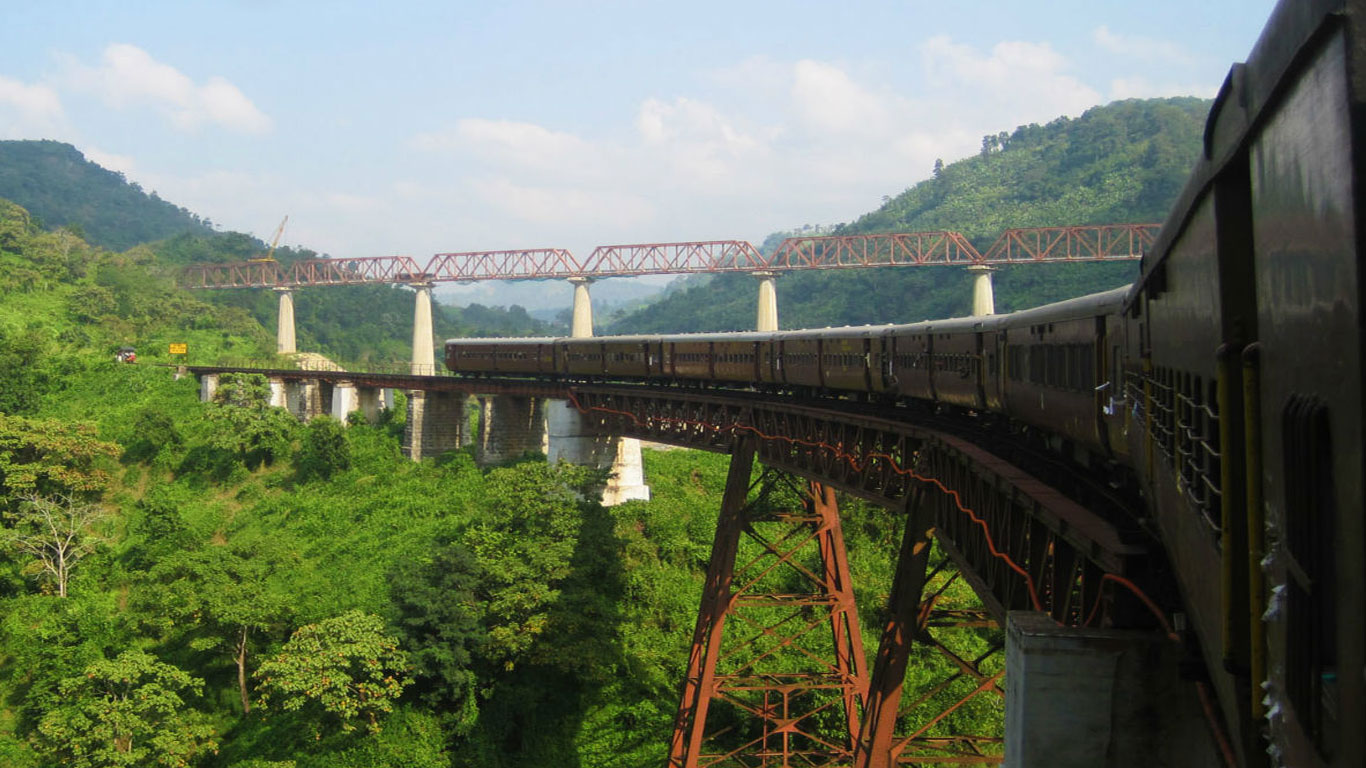
Assam is extremely well-connected by train. Guwahati is the primary junction, with long-distance trains from every major Indian city.
Important stations include Dibrugarh, Tinsukia, Barpeta Road, Bongaigaon, and New Bongaigaon.
By Road:
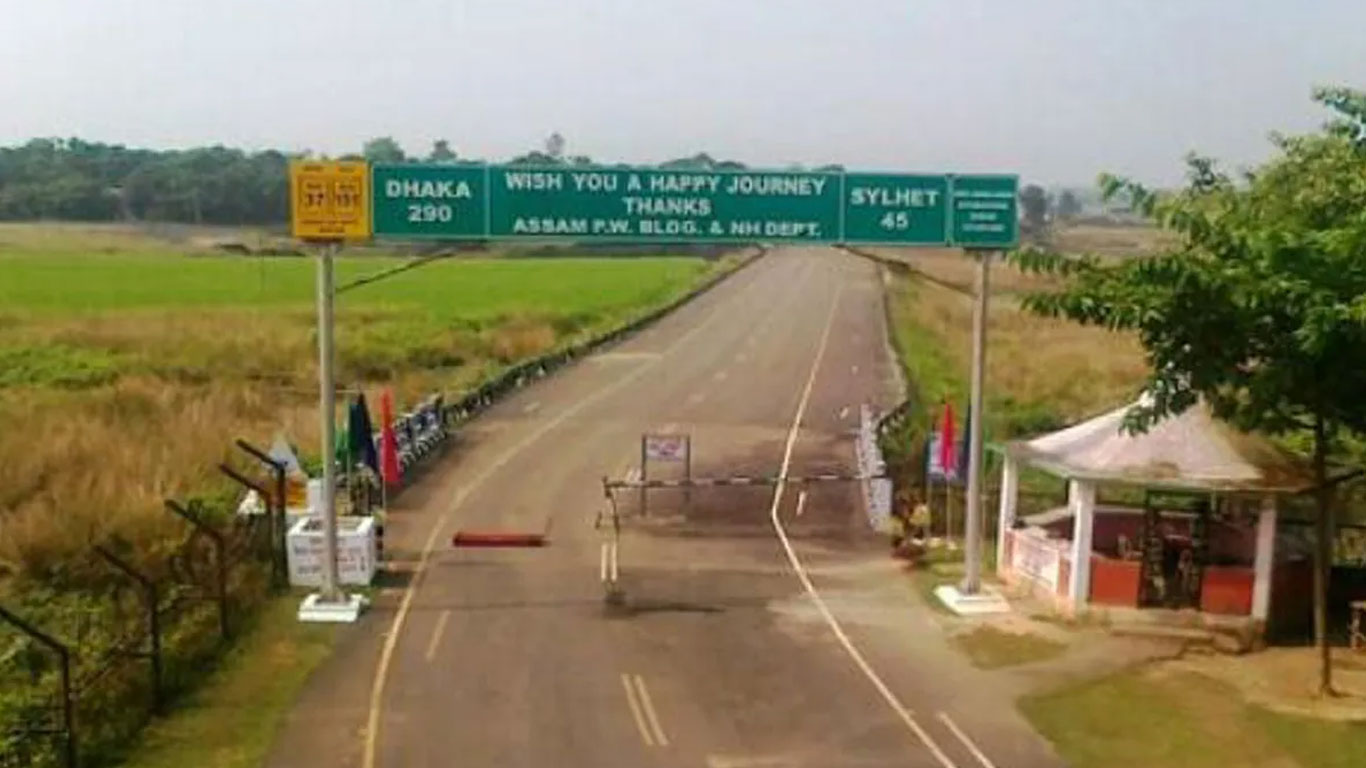
Well-maintained highways link Assam to Meghalaya, Nagaland, Arunachal Pradesh, Manipur, Mizoram, Tripura, and West Bengal.
Plan Your Assam Trip with Local Experts
Whether you want a wildlife safari, a tea-garden holiday, a cultural circuit through Majuli and Sivasagar, or a complete Northeast itinerary including Meghalaya, Nagaland, and Arunachal - travel with specialists who know the region deeply.
NBTT Travel Solution Pvt. Ltd.
+91 9733300696

East Himalaya
-
Address:NBTT Travel Solution Private Limited, 19, MN Sarkar Road, Sevoke More Siliguri, State : West Bengal, Country : India. PIN : 734001
-
Call Us at:
+91-9733300696 -
Mail Us:
info@east-himalaya.com
