
Darjeeling Town 
Darjeeling Tourism: A Complete Insider Guide To The Queen Of Hills
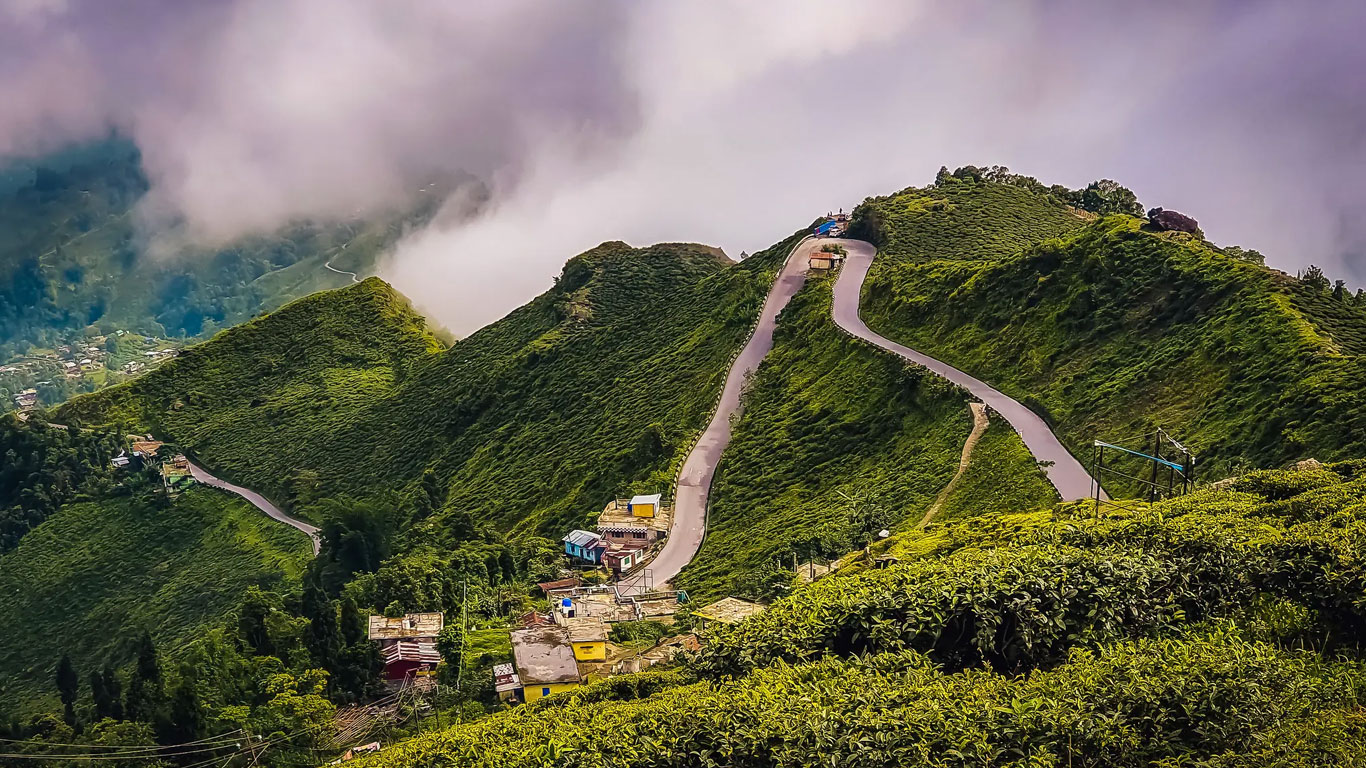
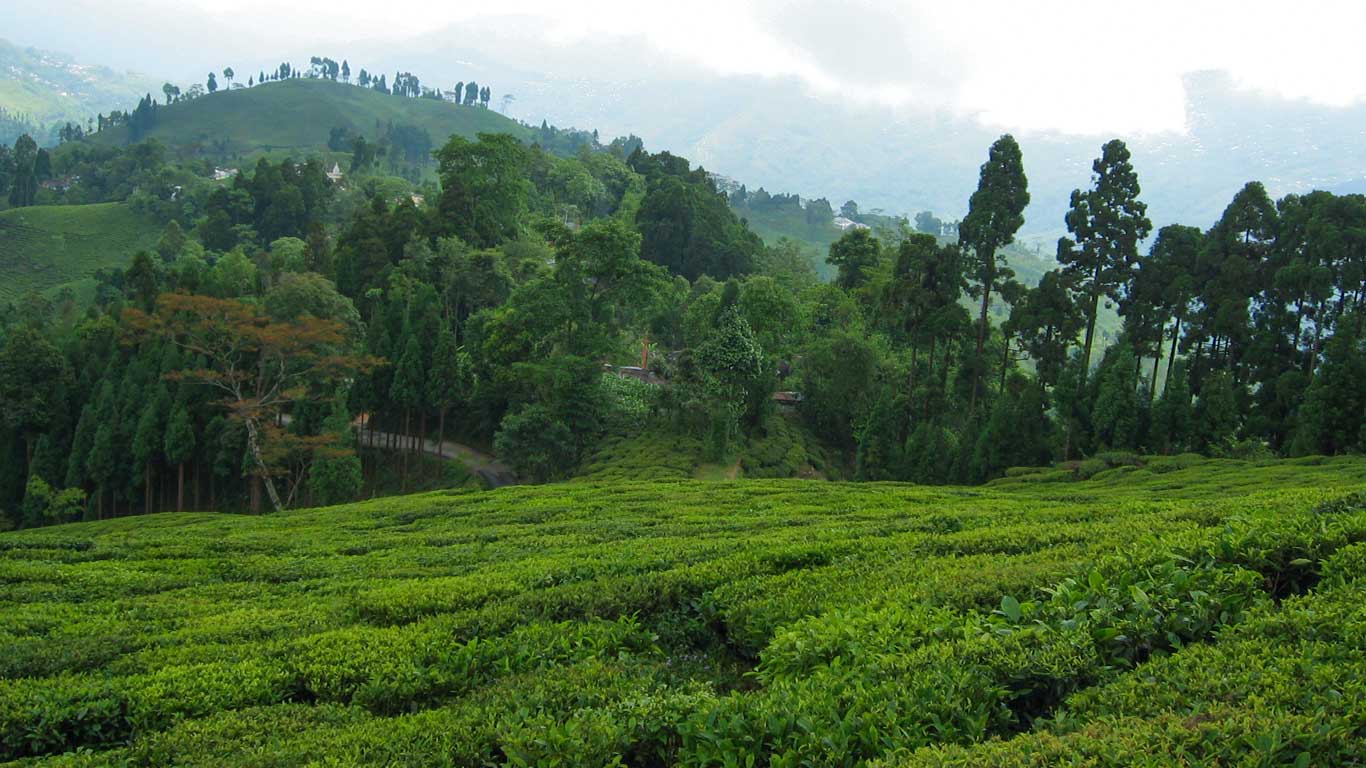
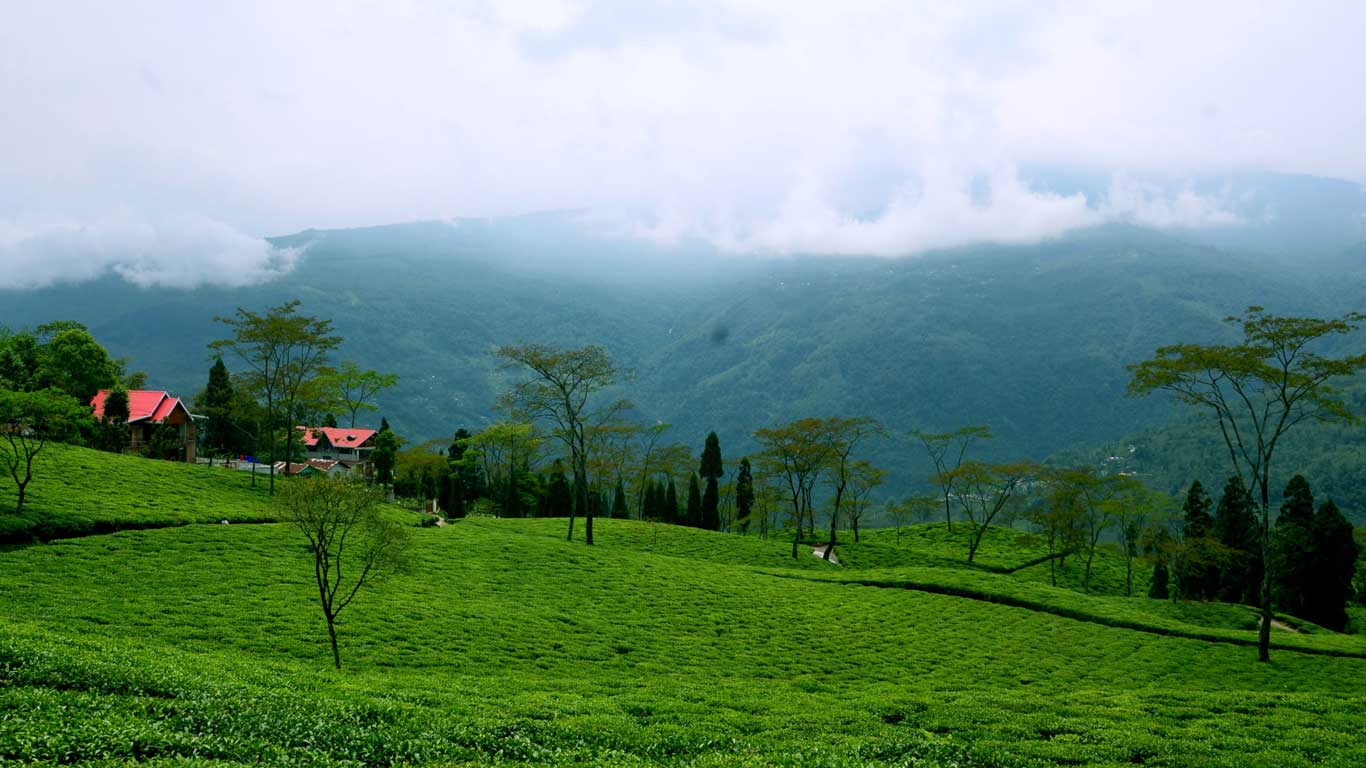
Darjeeling is not just a hill town you visit. It is a landscape you slowly understand. The name refers both to a town and to an entire district in northern West Bengal, and together they form one of the most layered travel destinations in India. Darjeeling has earned its reputation globally for its tea, its dramatic views of the Kanchenjunga range, its colonial legacy and its living Himalayan culture. Add to that a UNESCO-recognised mountain railway, rare wildlife zones and a deep political and social history, and you begin to see why Darjeeling continues to attract travellers across generations.
Covering roughly 1144 square kilometres, the Darjeeling district draws millions of visitors every year. What many first-time tourists do not realise is that Darjeeling rewards those who slow down, move beyond checklists and let the region reveal itself over a few days.
Geography And Natural Setting Of Darjeeling District
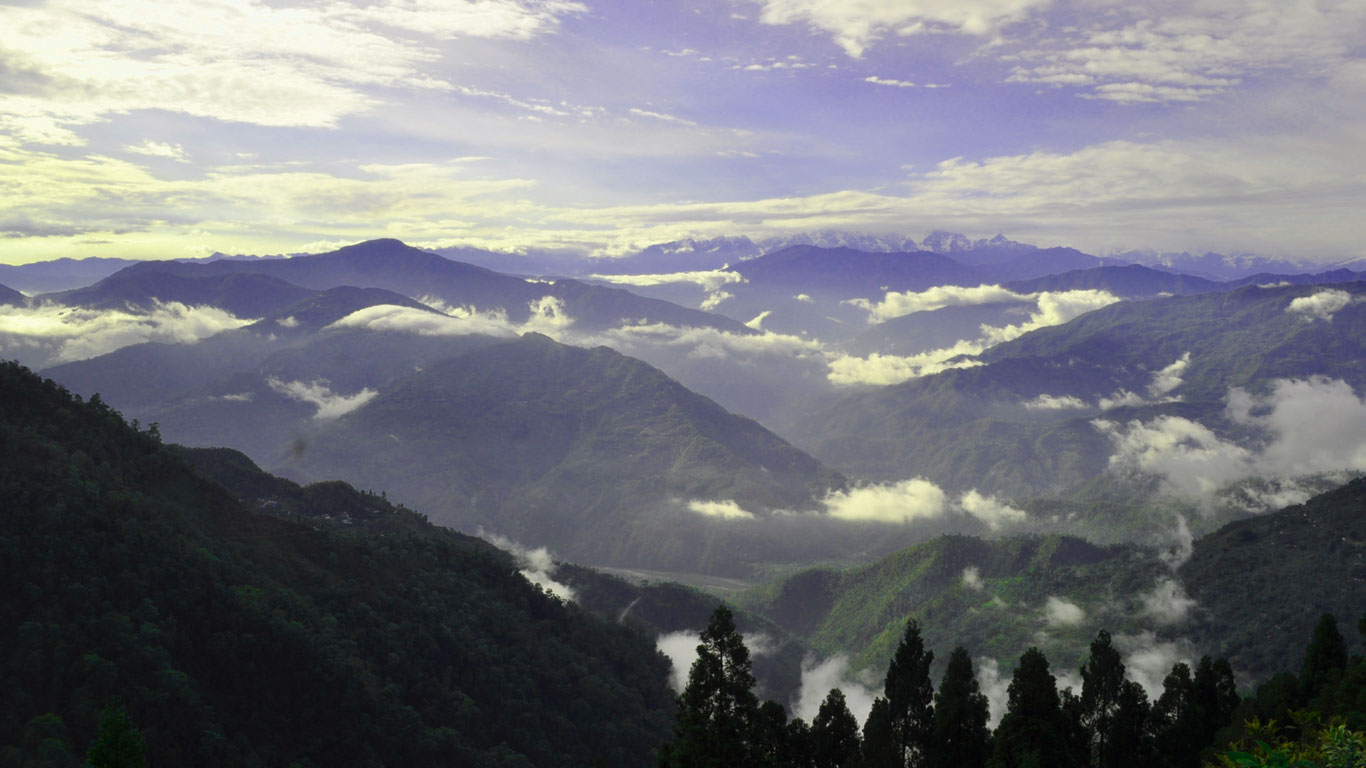
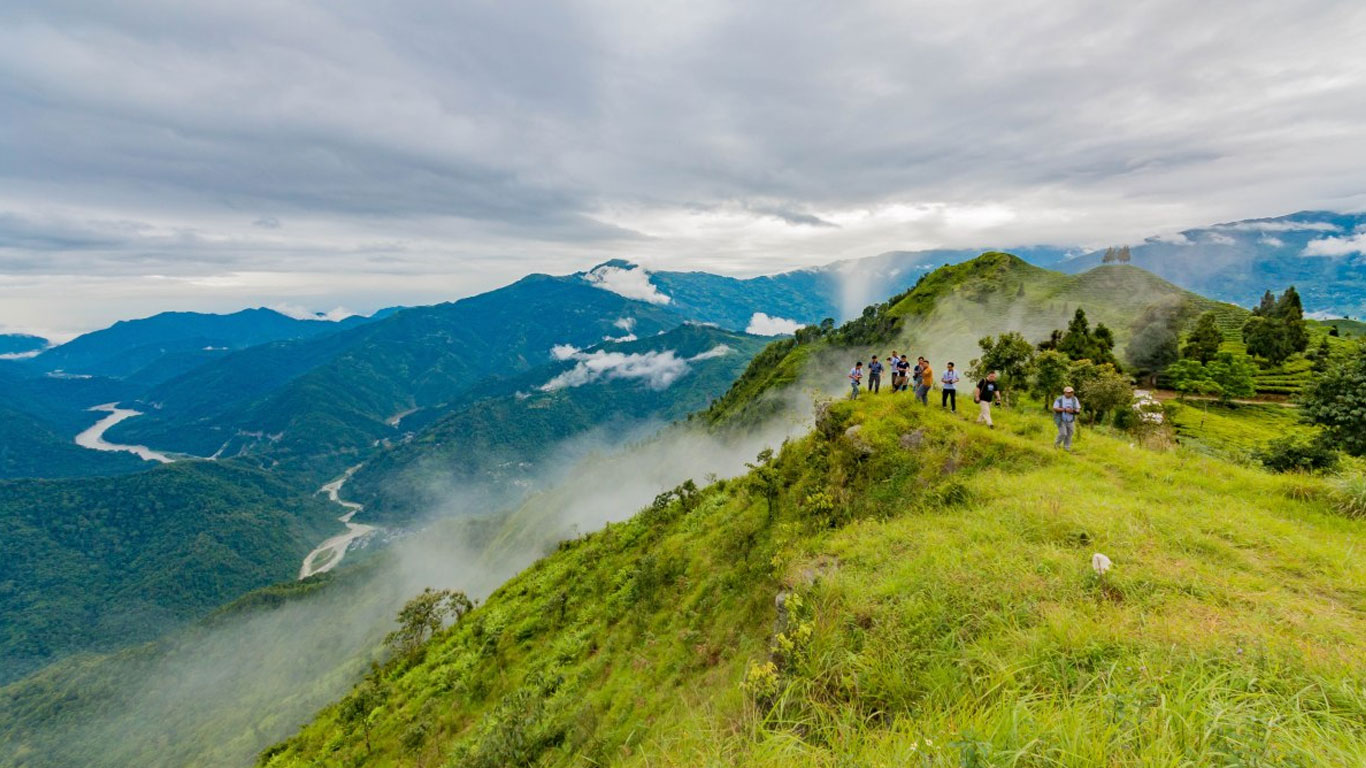
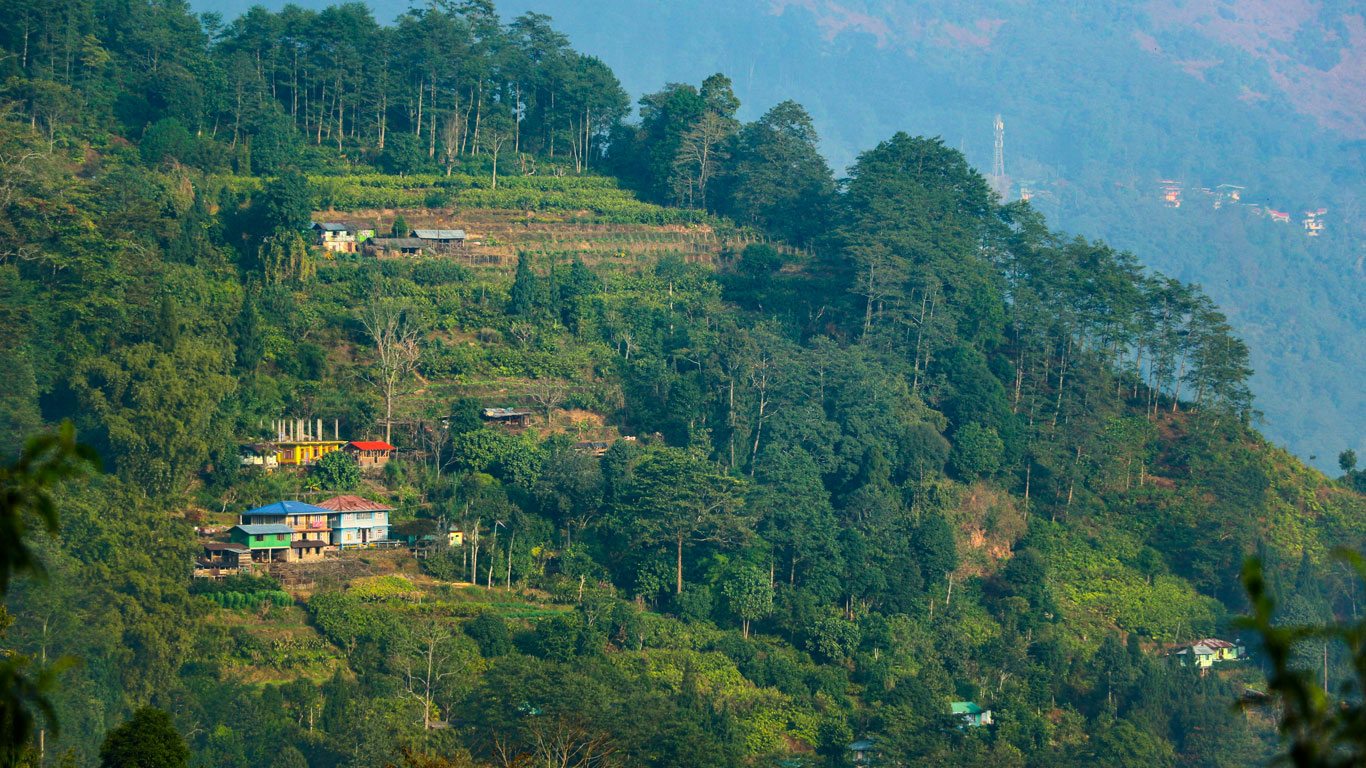
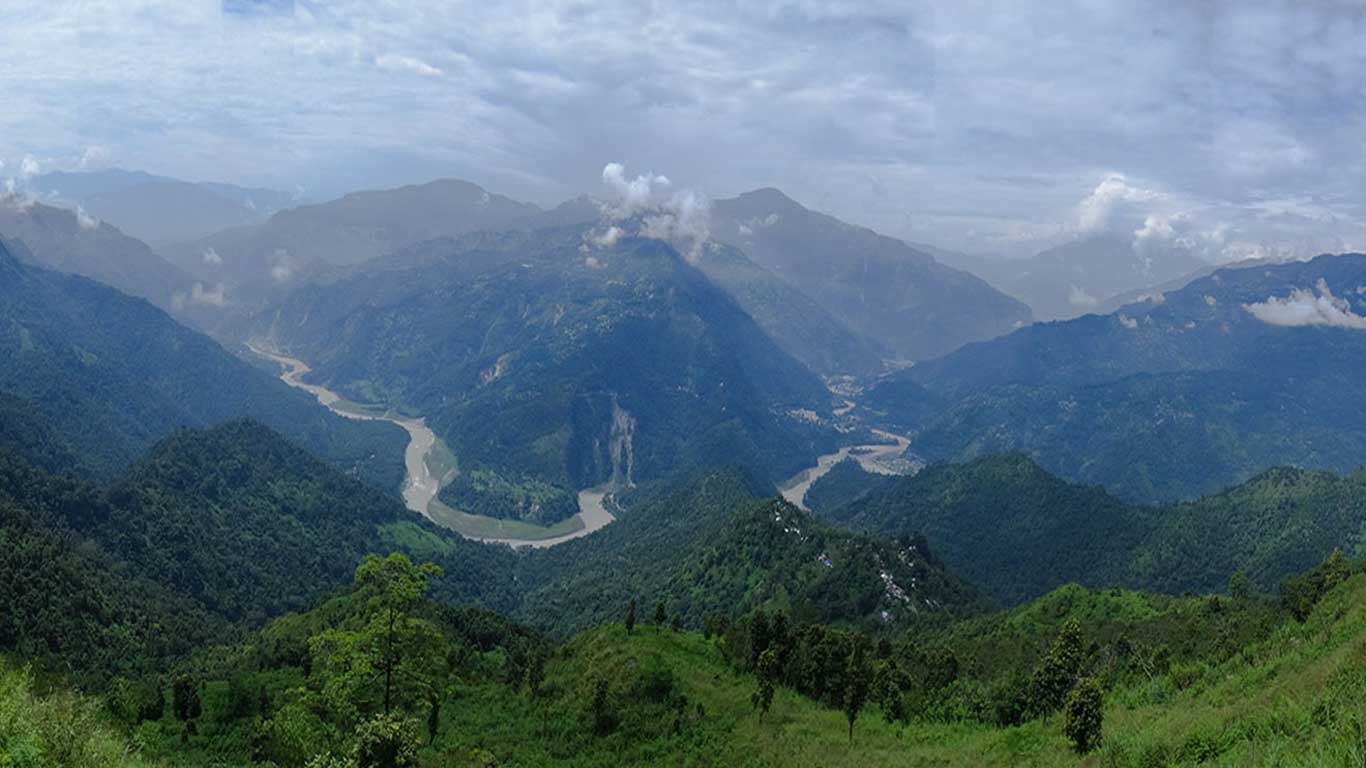
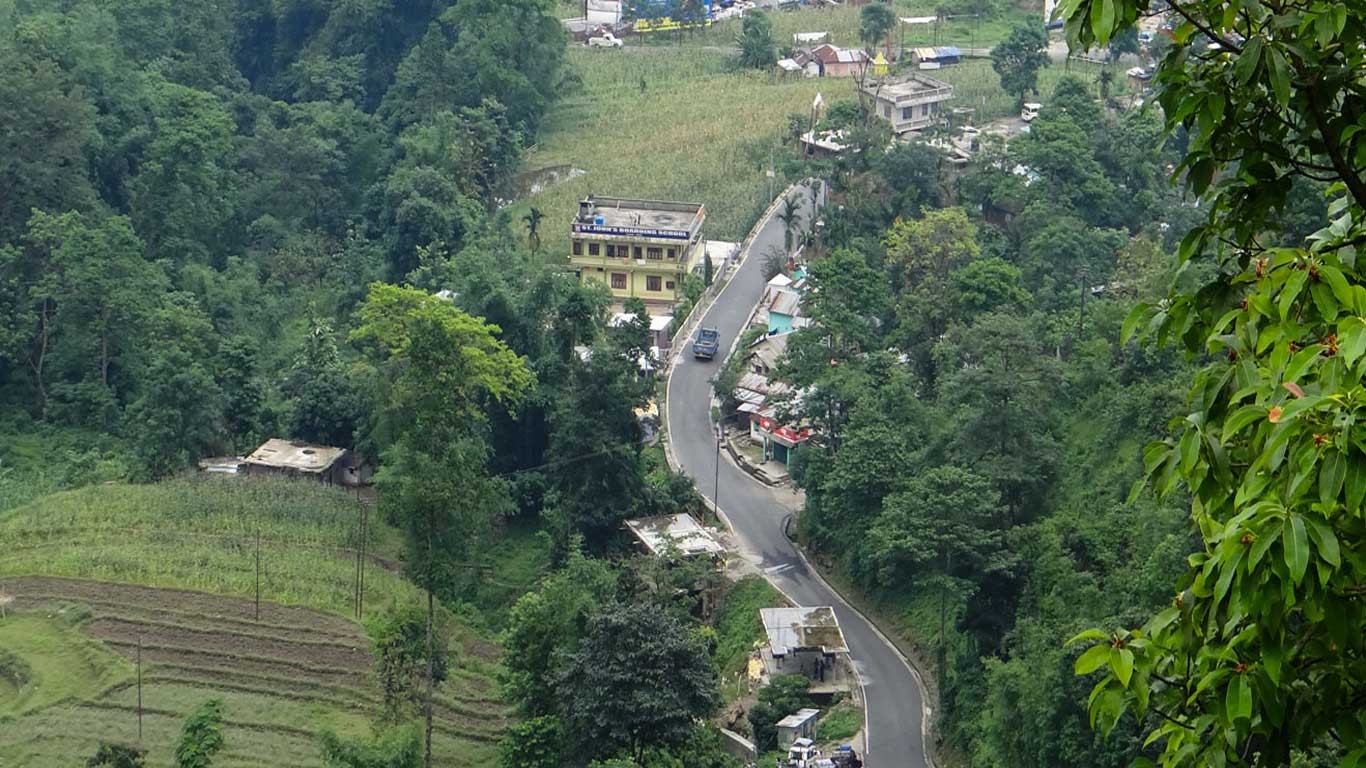
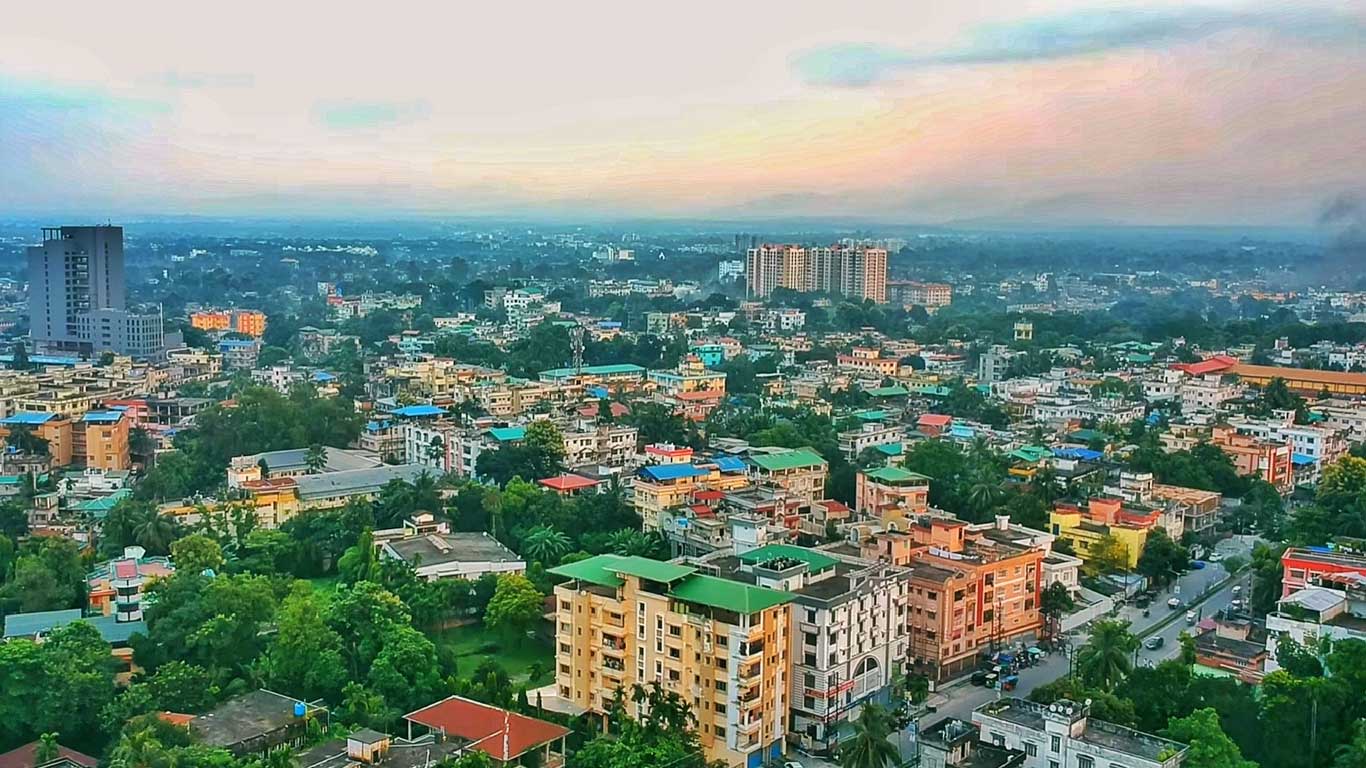
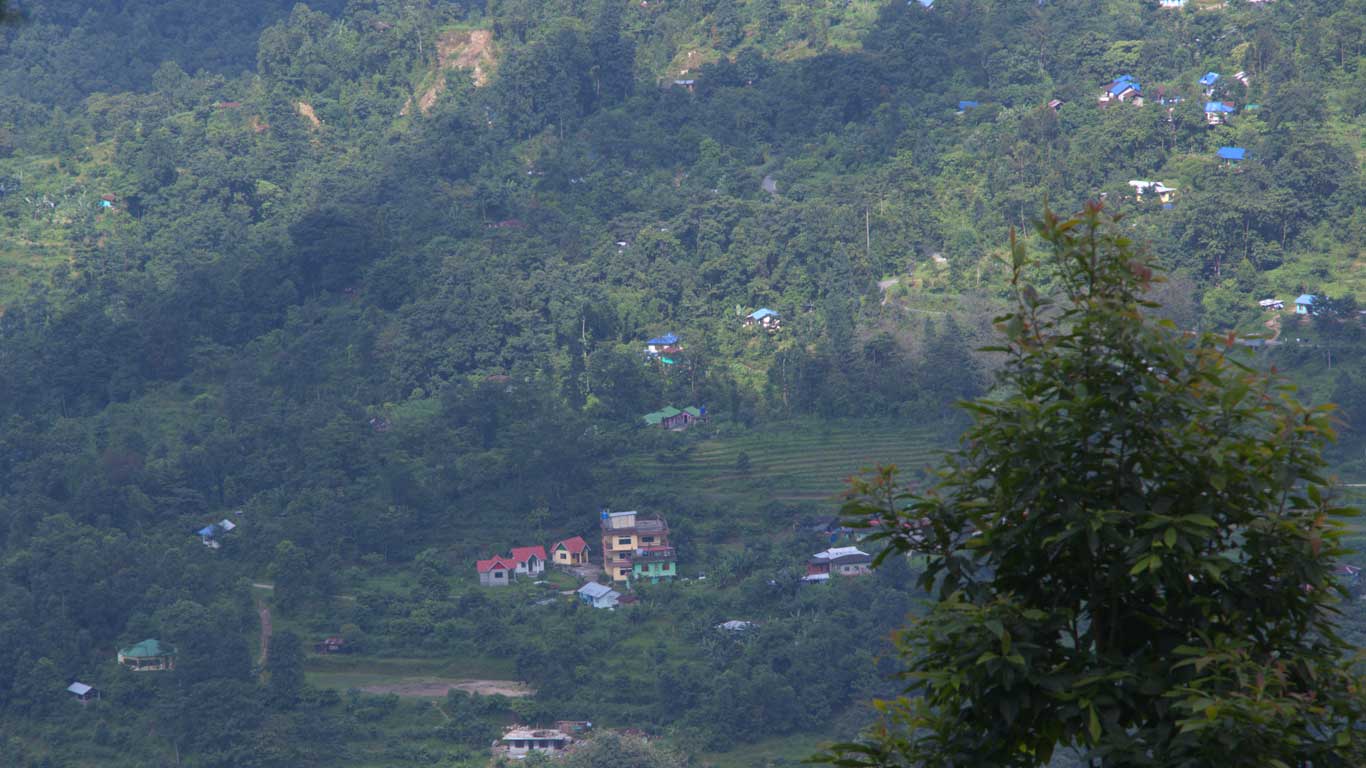
The Darjeeling Himalaya rises sharply from the Terai and Dooars plains of Bengal and climbs beyond twelve thousand feet in certain pockets. This sudden rise creates dramatic changes in climate, vegetation and lifestyle within short distances. The district is divided into hilly regions comprising Darjeeling town, Kalimpong and Kurseong, while the Siliguri subdivision lies in the plains and acts as the gateway to the hills.
To the north lies the state of Sikkim, with Nepal bordering the west and the Bengal plains stretching south and east. This geographic positioning has shaped Darjeeling as a cultural crossroads, trade corridor and strategic mountain region for centuries.
People, Culture, And Identity In Darjeeling
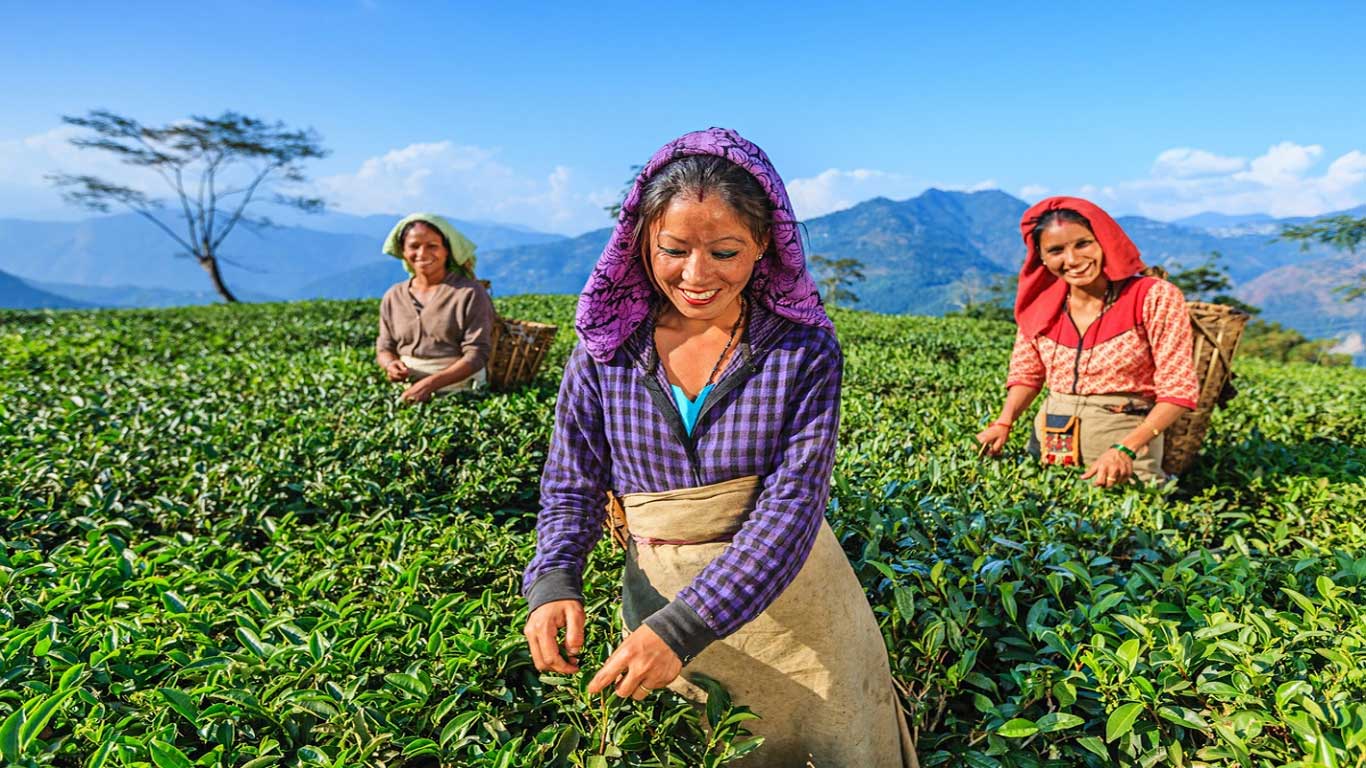
Darjeeling is defined as much by its people as by its scenery. Those born and raised in the hills often identify themselves by ancestry such as Nepali, Lepcha, Tibetan or Bhutanese. Nepali is the most widely spoken first language, a legacy of labour migration during the British tea plantation era that continues to shape social life today.
Religion in Darjeeling reflects this diversity. Hinduism forms the majority, but Tibetan Buddhism has a strong presence alongside Christianity and indigenous belief systems. Monasteries, temples and churches exist side by side, giving the region a quietly plural character that experienced travellers often find deeply enriching.
Flora Fauna And Protected Natural Areas
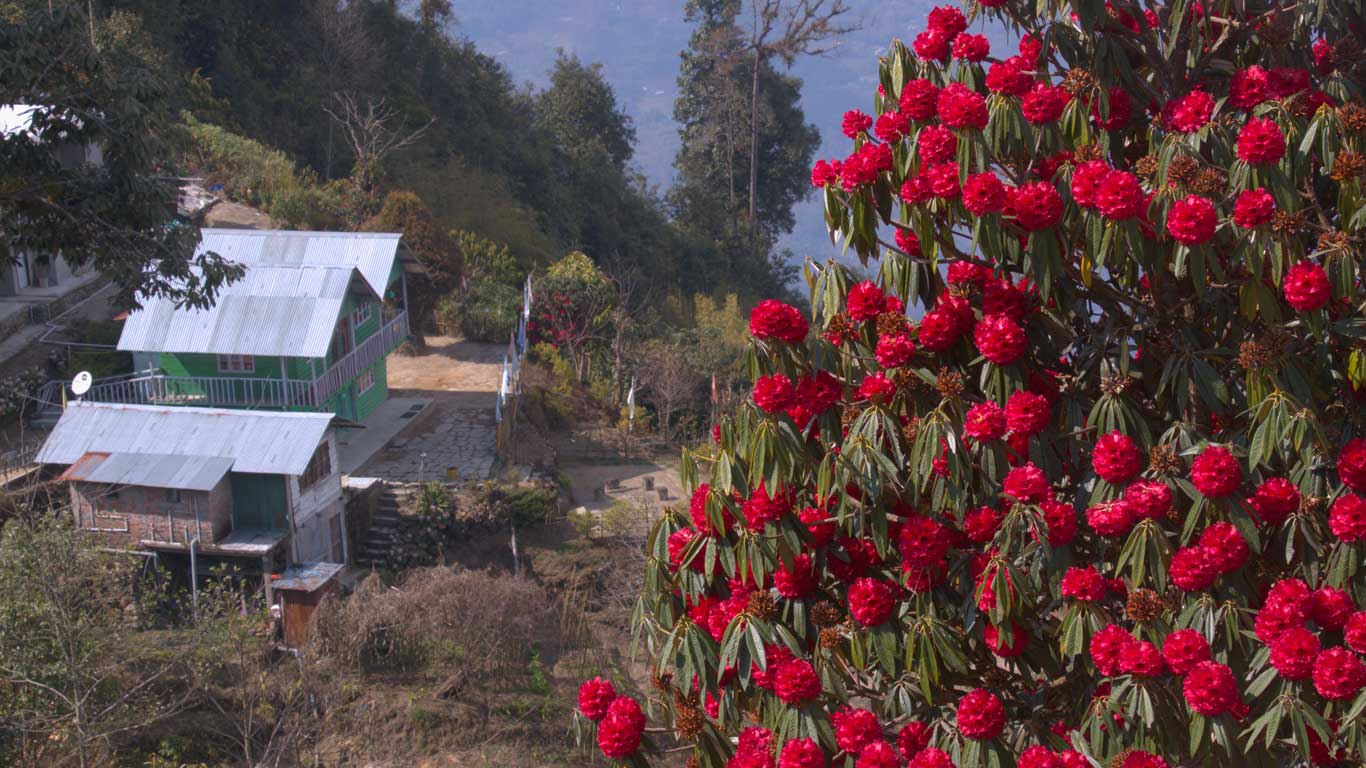
Darjeeling Himalaya is one of the most biologically rich regions in eastern India. The district is home to Singalila National Park, Neora Valley National Park and the Mahananda Wildlife Sanctuary. Singalila National Park is internationally known for its population of red pandas, one of the rarest mammals in the world. Neora Valley remains one of the least disturbed forest ecosystems in the Eastern Himalaya, with large stretches still untouched.
These forests support an incredible range of birds, orchids, medicinal plants and high altitude wildlife. Nature lovers and serious travellers often include guided forest experiences as part of Darjeeling tour packages to understand the ecological significance of the region beyond scenic viewpoints.
Darjeeling Town: The Heart Of The Hills
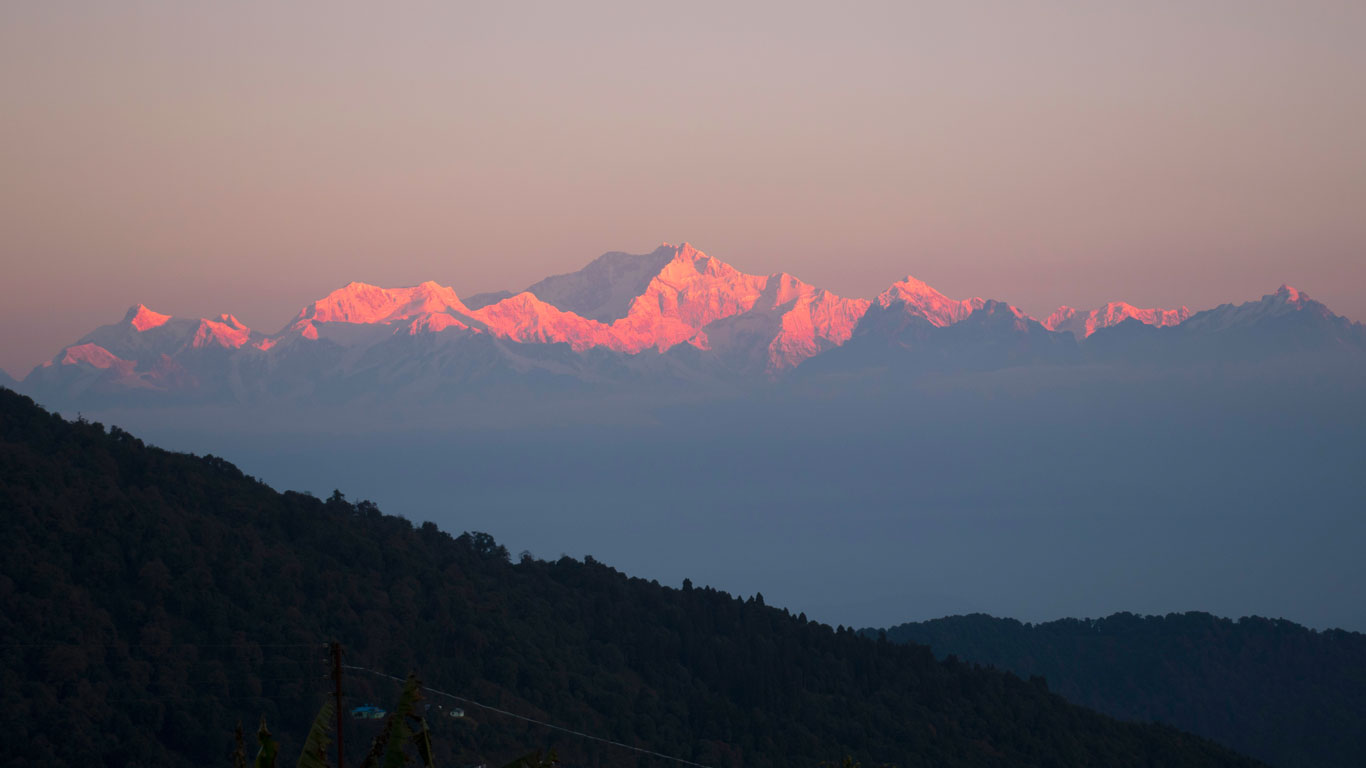
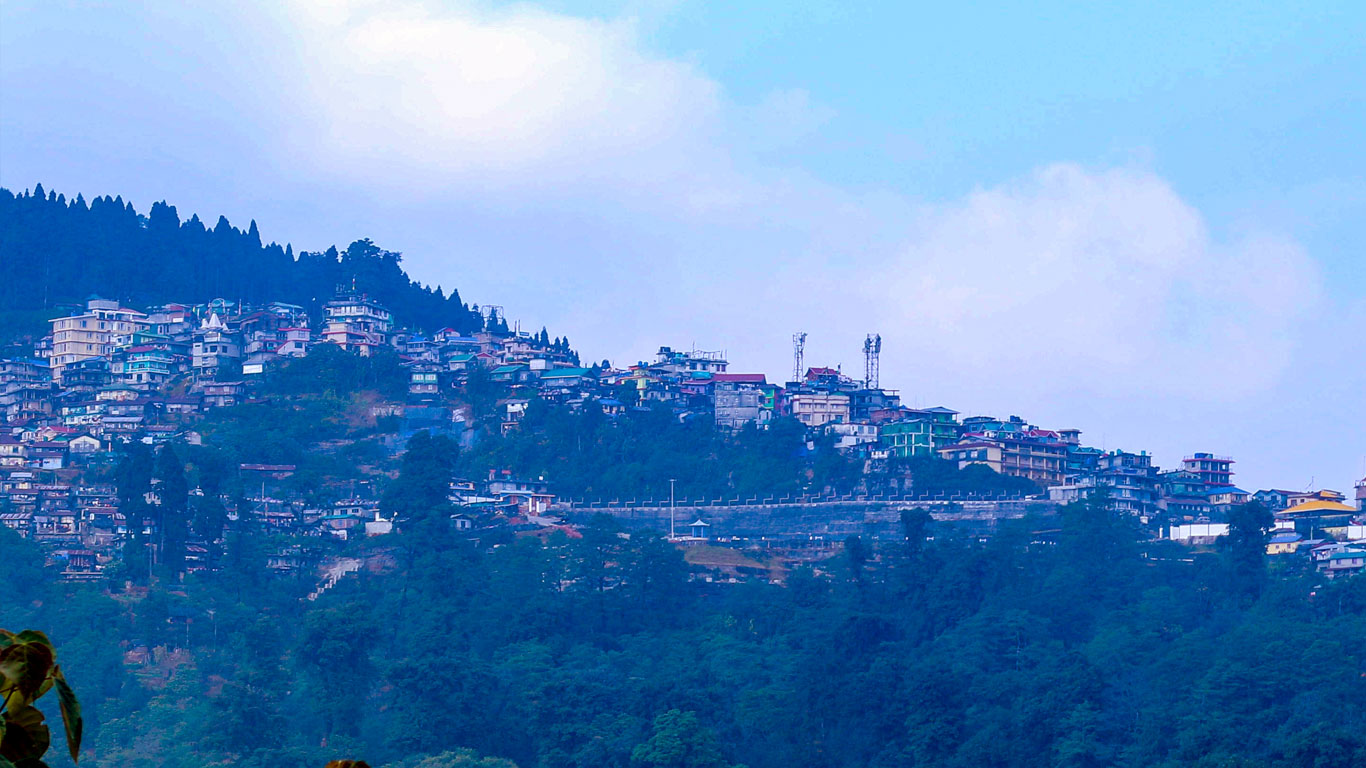
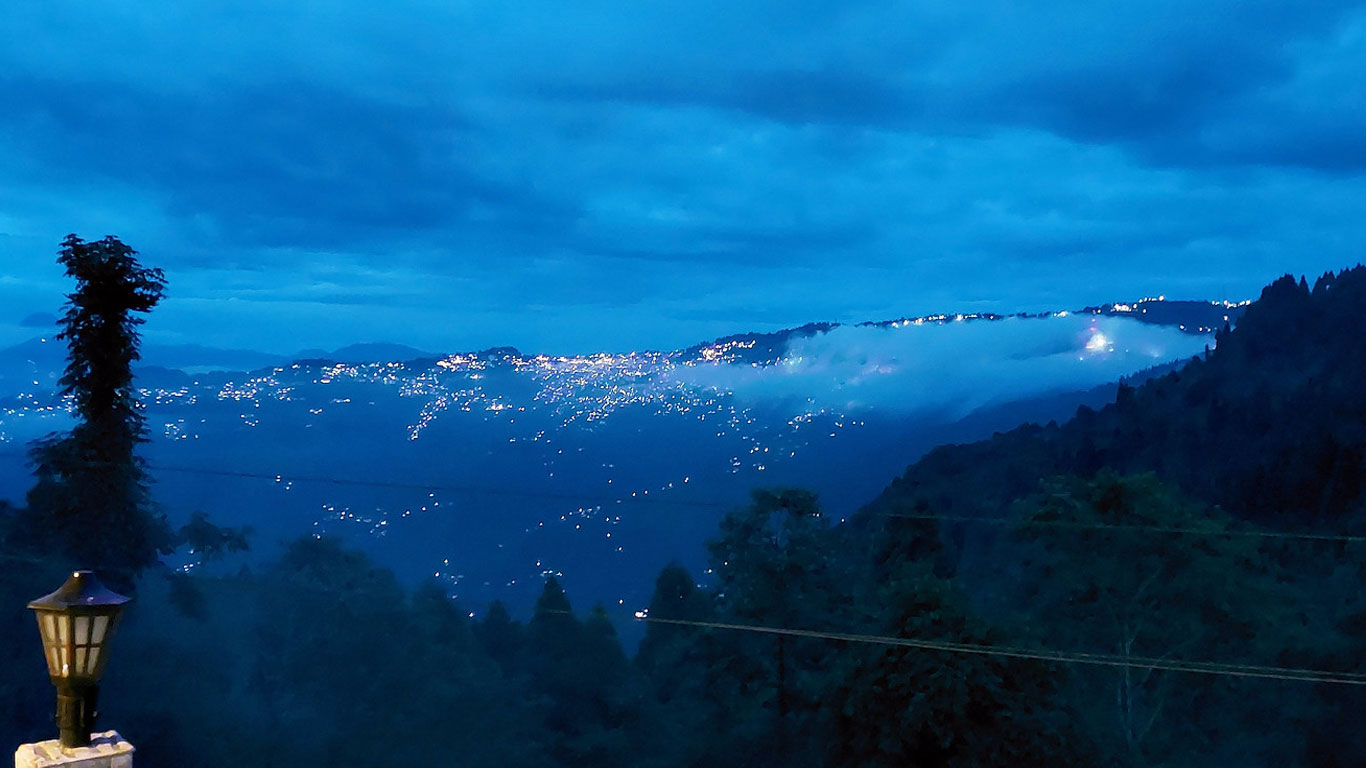
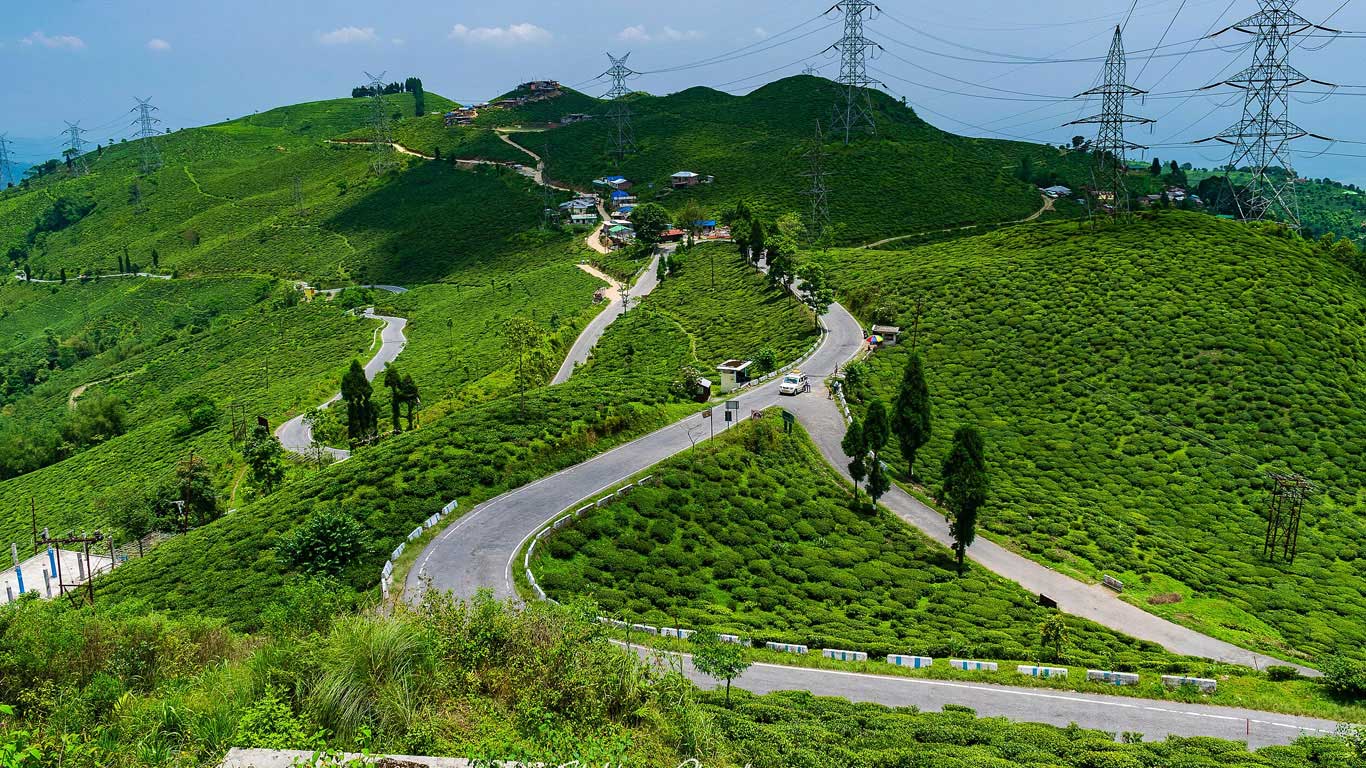
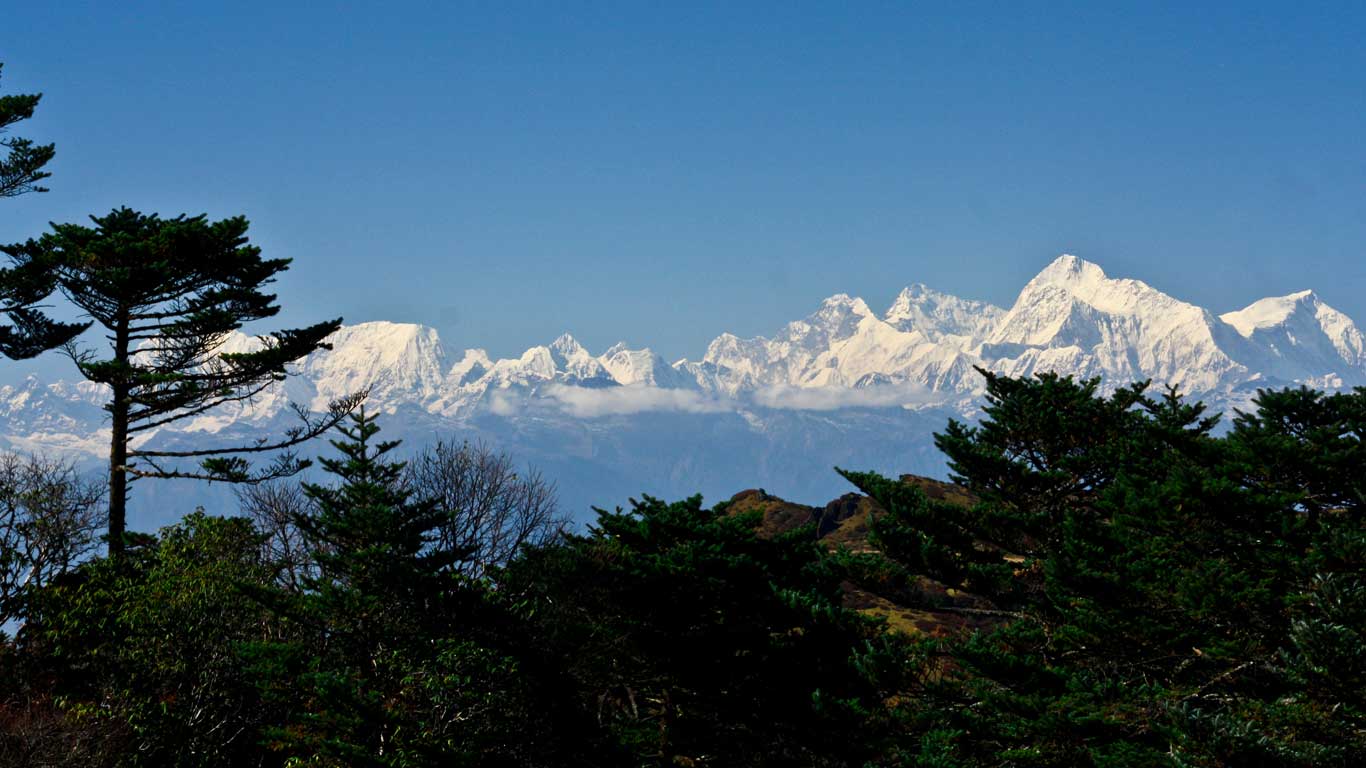
Often called the Queen of Hills, Darjeeling town sits at an altitude of around 2134 metres. It remains the most popular destination in northeast India, offering a blend of heritage, scenery and everyday mountain life. From the town, Kanchenjunga dominates the skyline on clear days, casting its presence over tea gardens, monasteries and colonial architecture.
Darjeeling is around seventy-eight kilometres from Siliguri, the main rail and road hub. It is well connected by shared and private jeeps as well as buses. Most travellers find that two to three nights in Darjeeling town allows enough time to appreciate its rhythm without feeling rushed. Many also combine Darjeeling with Sikkim destinations such as Gangtok, Pelling or North Sikkim, or with nearby Kalimpong, Mirik and Kurseong.
Darjeeling Sightseeing Experiences That Define The Region
Darjeeling Himalayan Railway
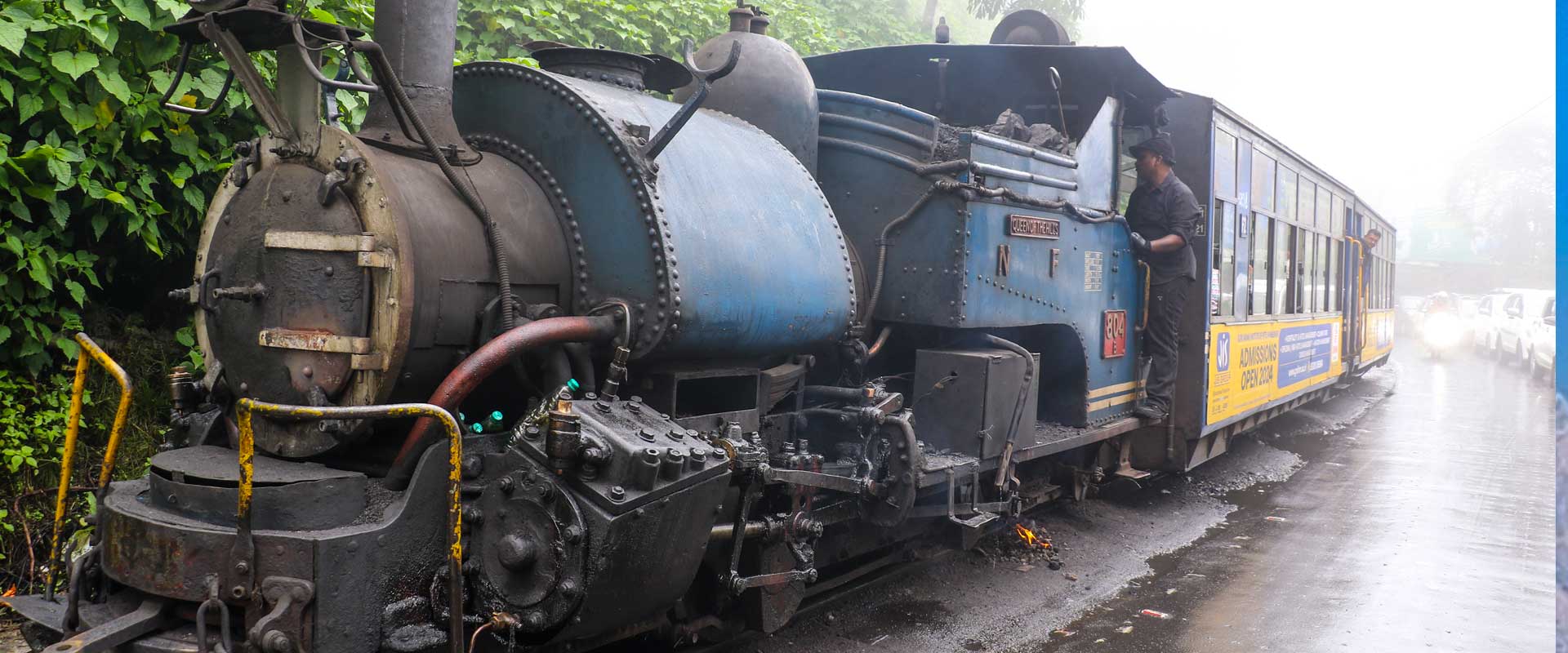
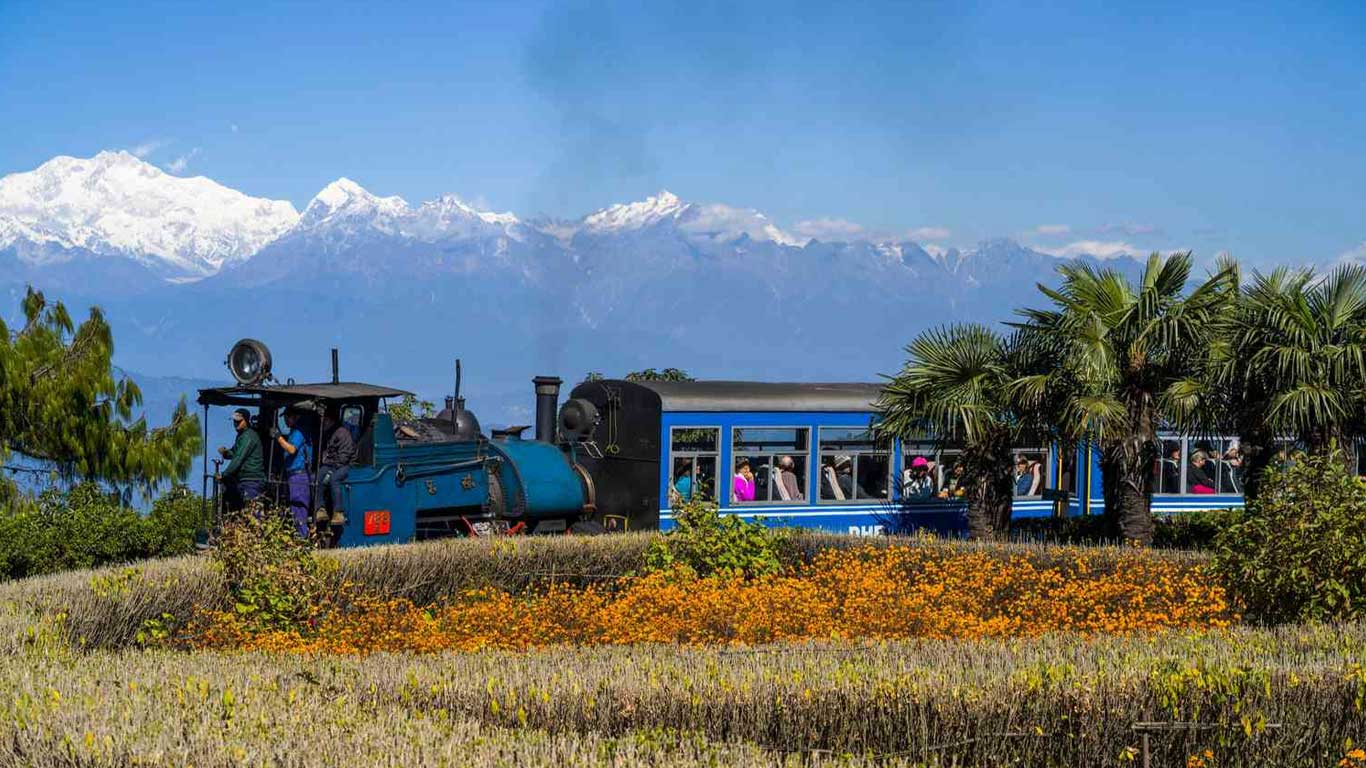
The Darjeeling Himalayan Railway, popularly called the Toy Train, is one of the most iconic attractions in the region. Built in 1881, this narrow-gauge railway runs for eighty-eight kilometres between New Jalpaiguri and Darjeeling. Recognised as a UNESCO World Heritage Site, it remains both a functional railway and a living museum.
The most popular experience is the Toy Train joy ride between Darjeeling and Ghum. This short journey includes a stop at the Batasia Loop and a visit to the railway museum at Ghum. Steam engine rides are especially sought after and often sell out well in advance during peak season. Ticket availability changes seasonally, so planning through experienced operators is advisable.
Darjeeling Rangeet Valley Passenger Ropeway
Located at North Point, the passenger ropeway offers sweeping aerial views of tea gardens and the Rangit Valley. The ride descends from Darjeeling town to Tukvar Tea Garden and returns along the same route. Tickets are only available on site, and demand often exceeds supply during tourist season, making early arrival essential.
Tiger Hill
Situated eleven kilometres from town at an altitude of 2590 metres, Tiger Hill is famous for sunrise views over Kanchenjunga and, on exceptionally clear days, Mount Everest. Weather plays a critical role here, and experienced planning improves the chances of a rewarding visit.
Padmaja Naidu Himalayan Zoological Park
Located close to town, this high-altitude zoo is known for conservation breeding programmes for snow leopards and red pandas. It also houses Himalayan birds and species adapted to mountain ecosystems.
Himalayan Mountaineering Institute And Museums
Adjacent to the zoo, the Himalayan Mountaineering Institute is both a training centre and a museum complex. Exhibits include mountaineering history, Himalayan ecology and equipment used by legendary climbers, including Tenzing Norgay. The Everest Museum here offers deep insight into early expeditions and Himalayan exploration.
Other Important Sightseeing Spots
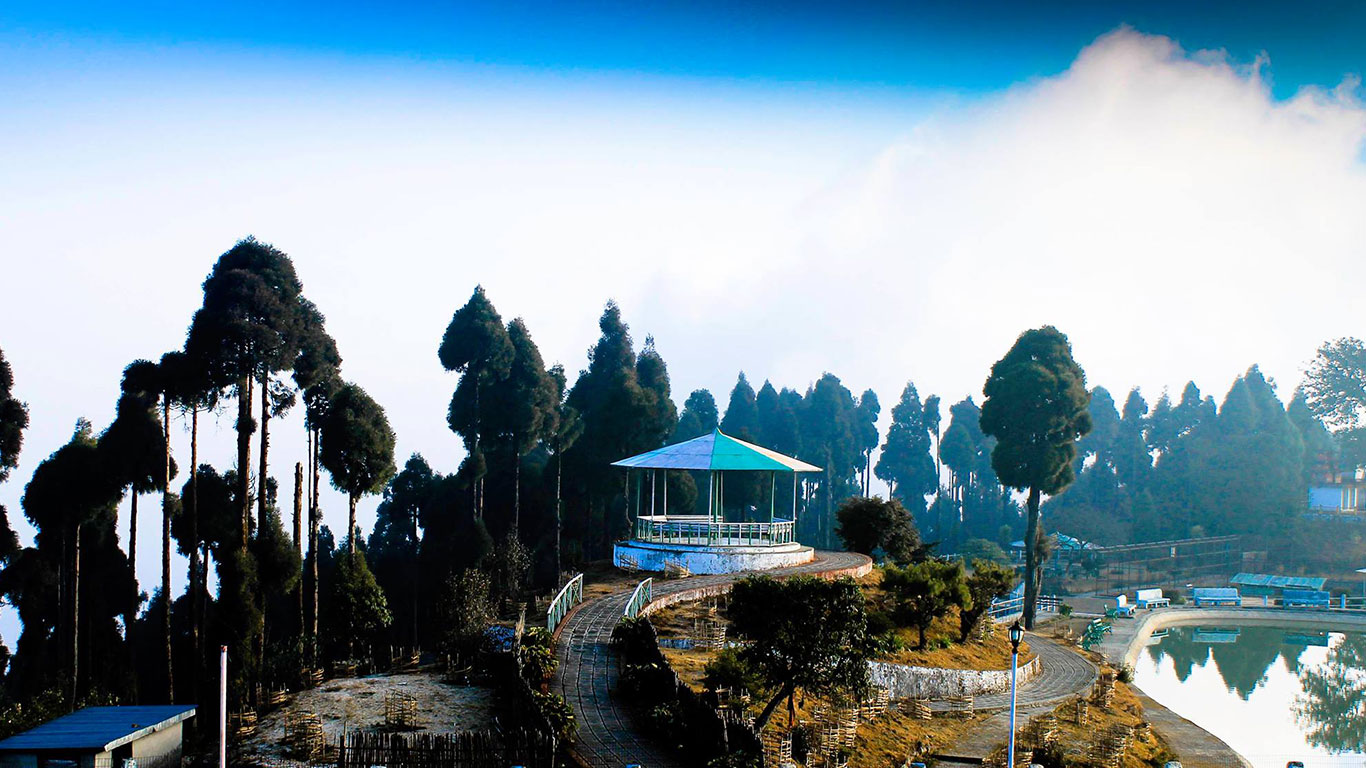
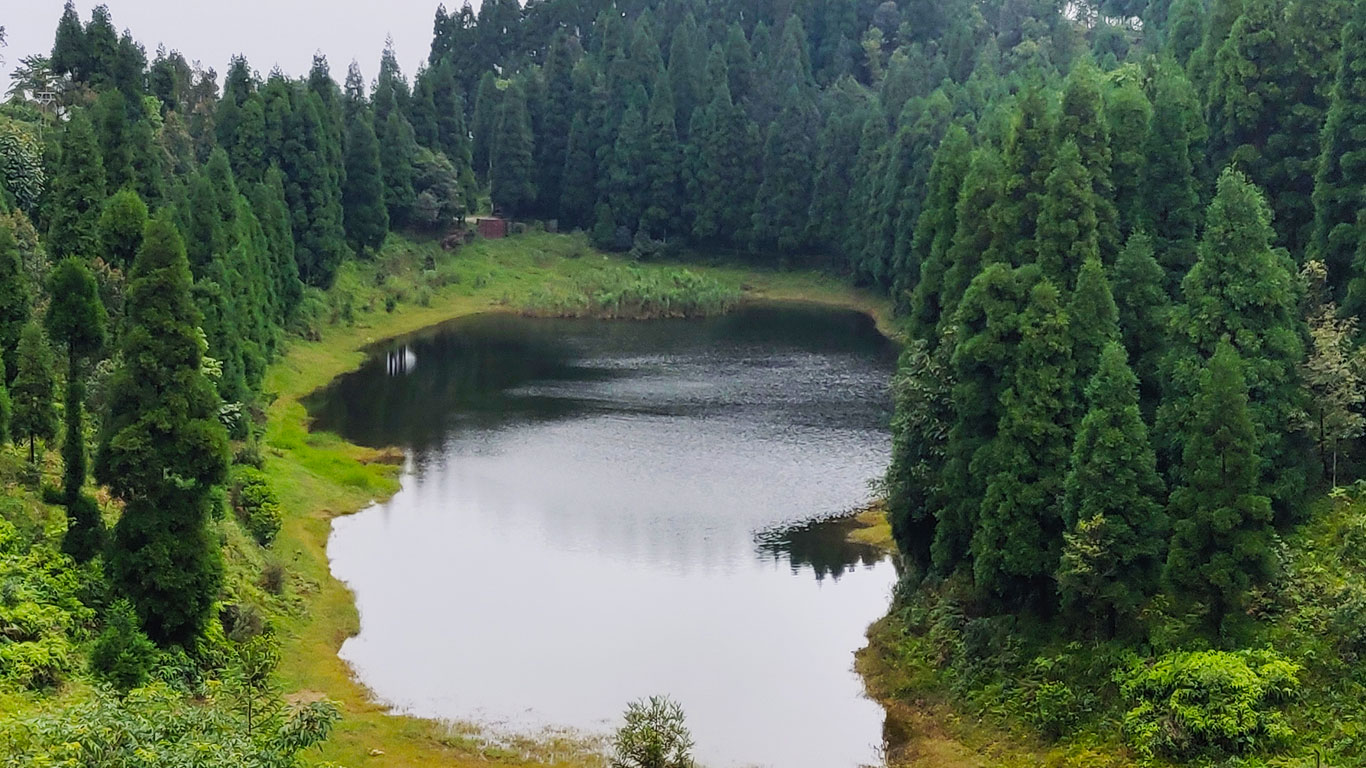
Lloyd Botanical Garden offers a peaceful introduction to Himalayan flora and orchids. Ghoom Monastery, also known as Yogachoeling Gompa, houses a revered image of Maitreya Buddha. Senchal Lake supplies water to Darjeeling and lies near Tiger Hill. Mahakal Temple on Observatory Hill reflects the region’s religious syncretism. Nehru Park, Ava Art Gallery, Darjeeling Gymkhana Club, Bengal Natural History Museum, Rock Garden and Batasia Loop complete the classic sightseeing circuit.
Climate, Weather, And Best Time To Visit Darjeeling
Darjeeling's weather varies sharply with altitude. Summer temperatures in town generally range between eight and fifteen degrees Celsius, while winter temperatures can drop close to freezing. Rain is unpredictable throughout the year, making umbrellas a practical necessity.
The best time to visit Darjeeling is from mid-September to mid-December when skies are clear, and views are sharp, though December can be quite cold. Spring from mid-March to mid-June offers pleasant weather but increasing haze. Monsoon months from June to September bring heavy rain, cloud cover and occasional road disruptions, though towns are rarely cut off for extended periods.
History Of Darjeeling And Its Political Journey
Before British involvement, Darjeeling and Kalimpong formed part of the Kingdom of Sikkim. Control shifted between the Bhutanese and Gurkha forces until British intervention following conflicts with Nepal. British officers visiting the area in 1828 recognised Darjeeling’s potential as a sanatorium, hill station and trade route.
The British developed Darjeeling rapidly, establishing tea plantations, roads and institutions. Migration of Nepali-speaking labourers reshaped the demographic profile, laying the foundation for modern Darjeeling society. Political tensions in the 1980s led to prolonged unrest and the eventual formation of the Darjeeling Gorkha Hill Council, granting the region greater administrative autonomy while remaining part of West Bengal.
Darjeeling Tour Packages, Hotels And Expert Planning
Darjeeling offers a wide range of hotels, from heritage properties and boutique stays to budget accommodations. Choosing the right hotel depends on season, location and travel style. Similarly, sightseeing needs to be paced according to weather and crowd patterns.
At NBTT Travel Solution Private Limited, we design Darjeeling tour packages based on decades of hands-on experience in the Eastern Himalaya. We understand road conditions, seasonal visibility, hotel quality fluctuations and the real-time realities that guidebooks often miss.
Plan Your Darjeeling Journey With NBTT
Darjeeling is best explored with insight rather than haste. Whether you are planning a classic holiday, a tea-focused experience or a deeper exploration of Himalayan culture and nature, NBTT Travel Solution Private Limited offers reliable planning and honest guidance.
For customised Darjeeling tour packages, hotels, sightseeing arrangements and seamless hill travel, connect with NBTT today at +919733300696 and experience Darjeeling through those who know the region beyond the surface.
Darjeeling Gangtok Lachung Experience Tour
Gangtok (2+1 Nights), Lachung (1 Night), Darjeeling (2 Nights)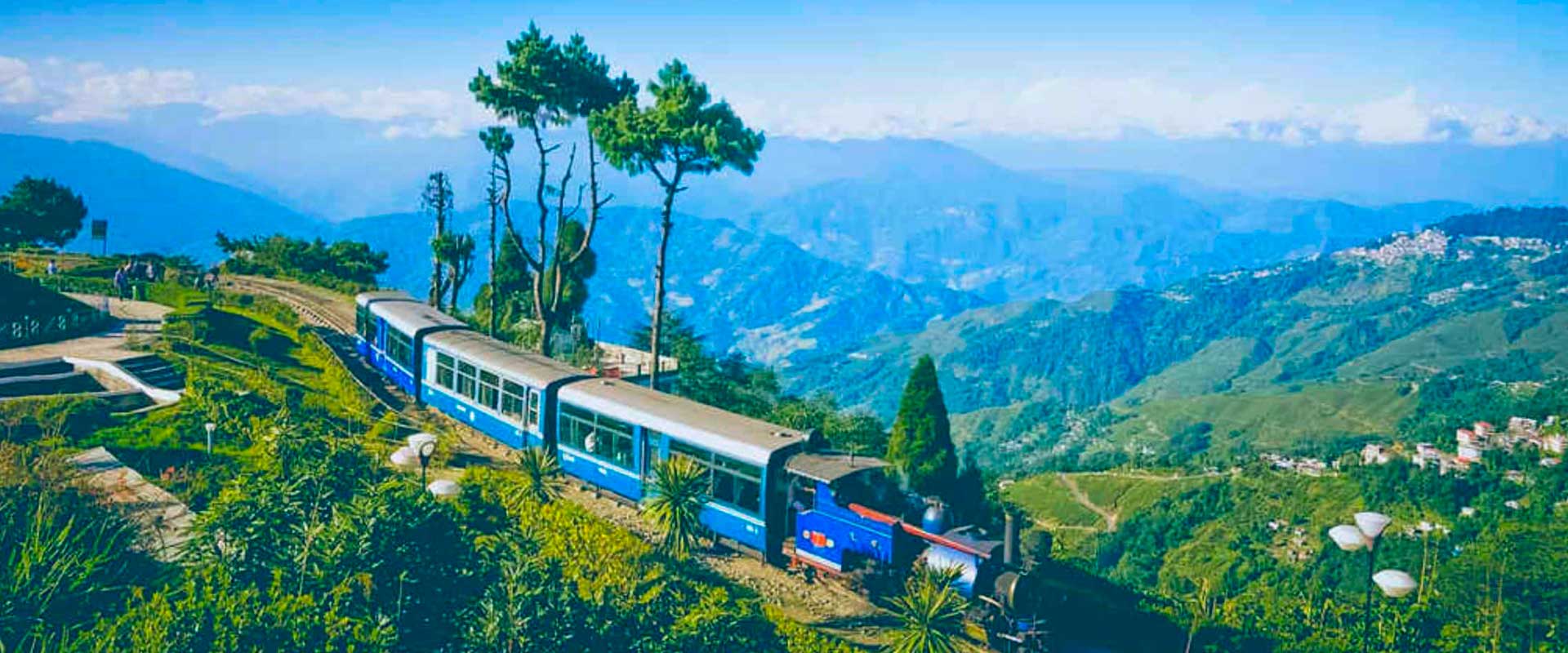
Eastern Himalaya Experience Tour
Kalimpong (1 Night), Gangtok (2 Nights), Pelling (2 Night), Darjeeling (2 Nights)
Sikkim Darjeeling Himalayan Package Tour
Gangtok (2+1 Nights), Lachen (1 Night), Lachung (2 Nights), Darjeeling (2 Nights)
East Himalaya
-
Address:NBTT Travel Solution Private Limited, 19, MN Sarkar Road, Sevoke More Siliguri, State : West Bengal, Country : India. PIN : 734001
-
Call Us at:
9733000-592/593/594 -
Mail Us:
info@east-himalaya.com
