
Tripura 
Tripura – India’s Quiet Frontier of Culture, Hills and Heritage
Tucked away in the far northeast corner of India, Tripura is one of those states that quietly rewards travellers who make the effort to reach it. Surrounded by Bangladesh on three sides and connected to mainland India only through its eastern corridor bordering Mizoram and Assam, Tripura feels geographically secluded, yet culturally layered and historically rich. It is the third-smallest state in India, covering about 10,491 square kilometres, but its diversity of landscapes, communities and traditions makes it far larger in experience than the map suggests.
Tripura is a land of low hills, forested ridges, river valleys and fertile plains. While the plains are predominantly Bengali in culture and language, the hills are home to a fascinating mosaic of indigenous communities such as the Tripuri, Jamatia, Reang, Chakma, Halam, Mizo and others, living largely in harmony with nature. This blend of Bengali and tribal cultures shapes everything in Tripura, from food and festivals to architecture and everyday life.
The name Tripura is traditionally believed to have originated from the ancient king Tripur, though mythological associations also link the region to Goddess Tripura Sundari. The capital city, Agartala, located close to the Bangladesh border, is the administrative and cultural heart of the state and serves as the main gateway for travellers.
Culture, Language and Local Life in Tripura
Tripura’s cultural rhythm is gentle and unhurried. Bengali and Kokborok are the most widely spoken languages, and you will hear both in markets, public spaces and homes. Food reflects this dual influence as well. Rice is the staple, but the tribal cuisine has its own identity, with fermented ingredients, bamboo shoots and minimal oil. Mui Borok, often referred to as traditional Tripuri food, relies heavily on meat, particularly pork, combined with local herbs and techniques that emphasise flavour over spice.
Festivals in Tripura are deeply rooted in both Hindu and tribal traditions. Durga Puja is celebrated with enthusiasm in urban areas, while Garia Puja and other indigenous festivals dominate the hills. Music, dance and oral storytelling remain central to tribal identity, and visitors who take the time to engage with local communities often find Tripura’s people to be warm, curious and welcoming.
Agartala – The Cultural Hub of Tripura
Agartala may be a capital city, but it rarely feels overwhelming. Traffic is manageable, distances are short, and the overall pace is relaxed. The city’s biggest draw is its historical legacy as the seat of the Manikya dynasty, which ruled Tripura for centuries.
Ujjayanta Palace
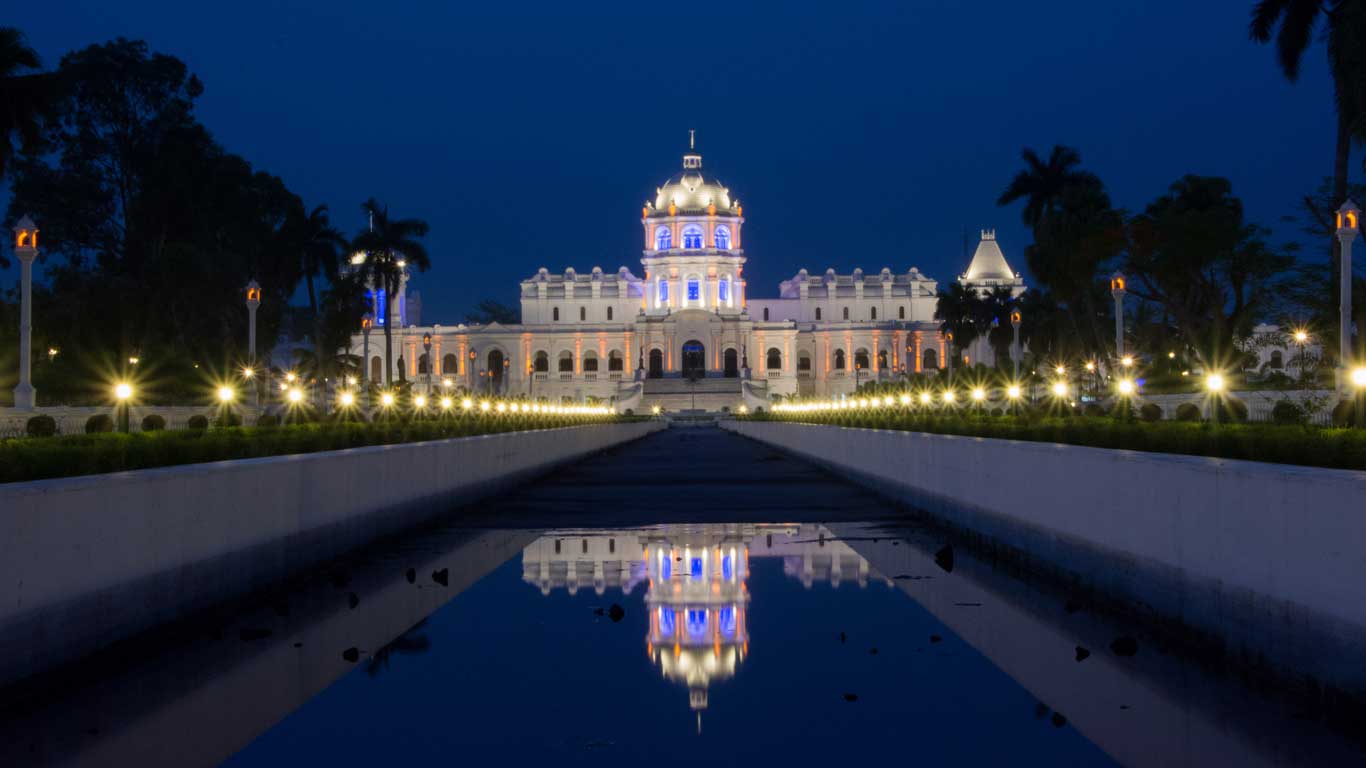
At the heart of Agartala stands Ujjayanta Palace, the state’s most iconic landmark. Built in 1901 by Maharaja Radha Kishore Manikya and named by Rabindranath Tagore, the palace is surrounded by manicured Mughal-style gardens and tranquil lakes. Today, it houses the Tripura State Museum, offering visitors a detailed introduction to the state’s archaeology, royal history, tribal culture and artistic traditions. Its domes, tiled floors and wooden ceilings reflect a refined blend of Indian and colonial architectural influences, making it a key stop on any Agartala sightseeing tour.
Sacred Landscapes – Tripura’s Spiritual Heritage
Tripura Sundari Temple, Udaipur
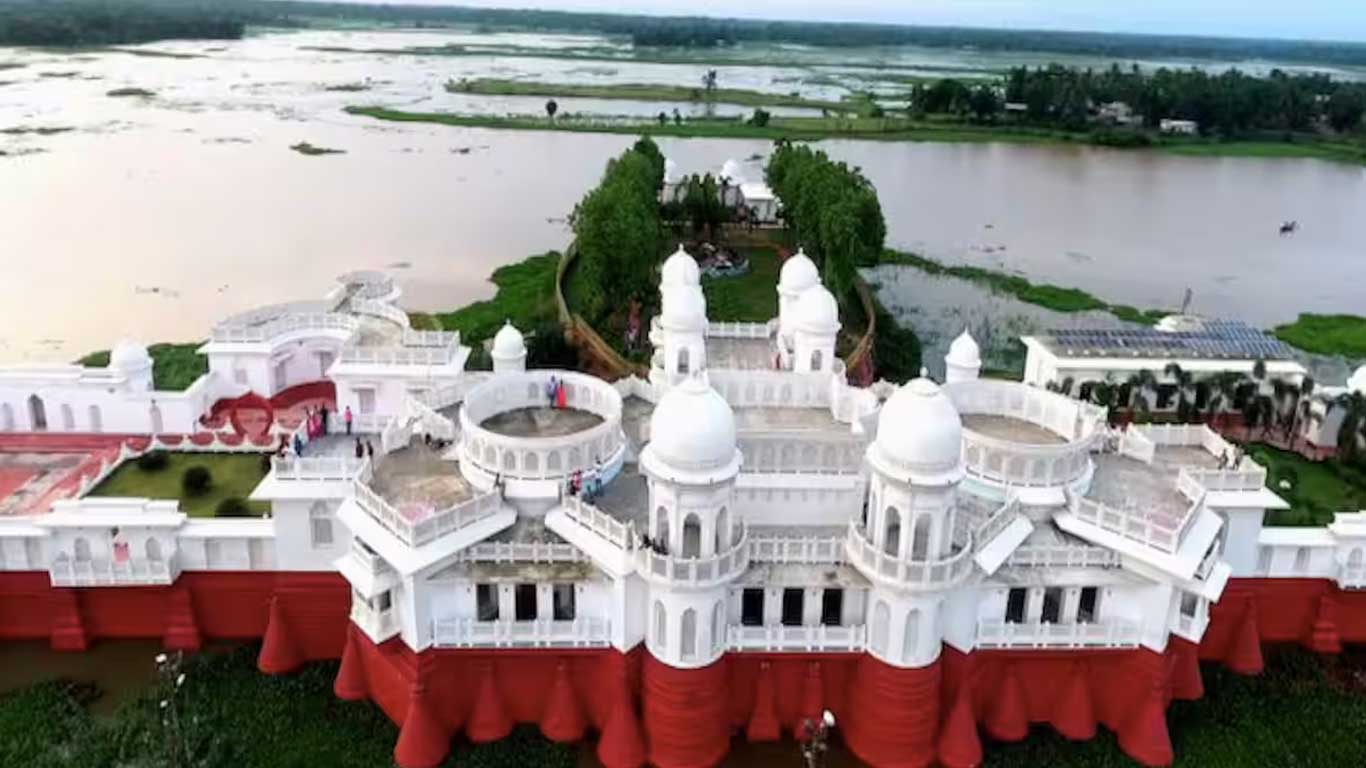
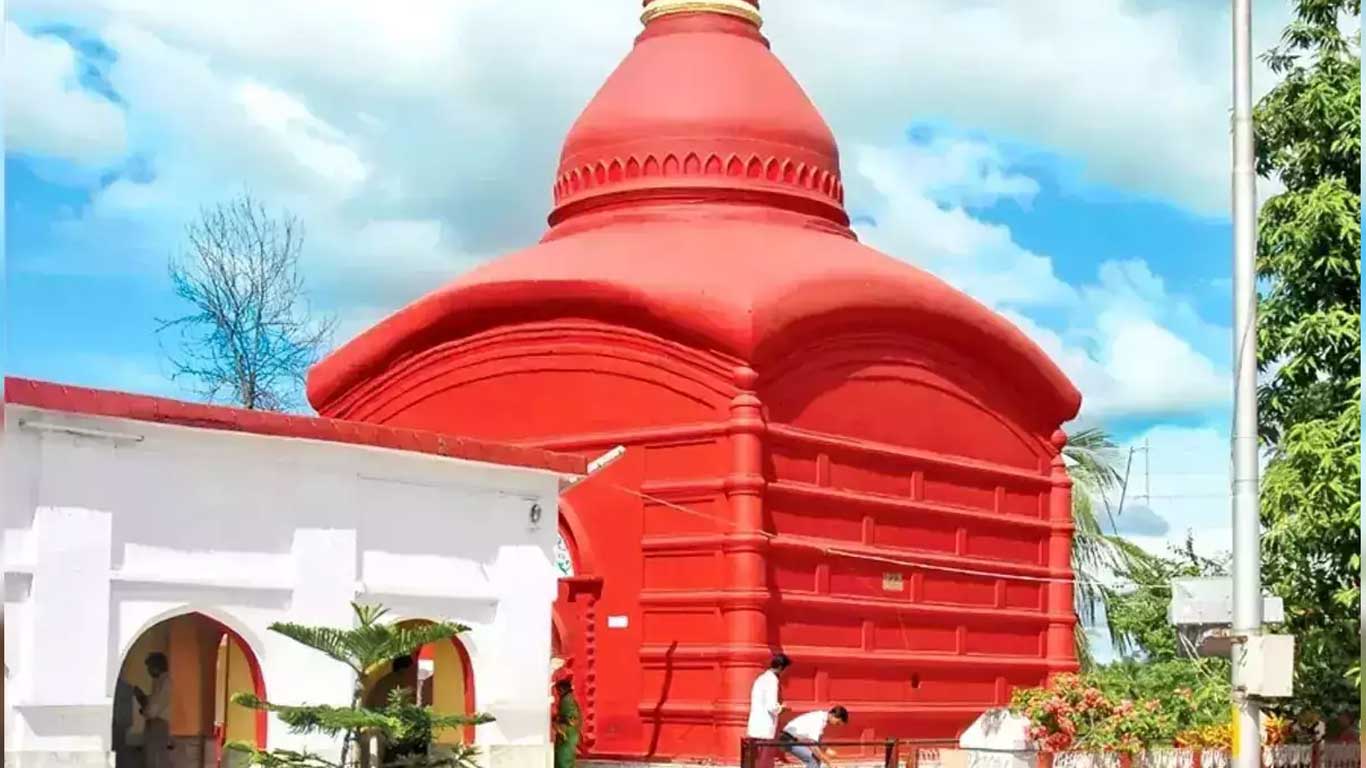
One of the most revered religious sites in Northeast India, Tripura Sundari Temple, also known as Matabari, lies at Udaipur, the former capital of the state. Considered one of the 51 Shakti Peethas, the temple is believed to mark the spot where Goddess Sati’s right foot fell. Built in a distinctive Bengali hut-style structure and shaped like a tortoise, the temple draws pilgrims throughout the year, especially during Diwali and Navratri. The sacred Kalyan Sagar Lake beside the temple adds to its spiritual and visual appeal.
Heritage and Nature - Beyond the Capital
Unakoti – The Ancient Rock-Cut Marvel
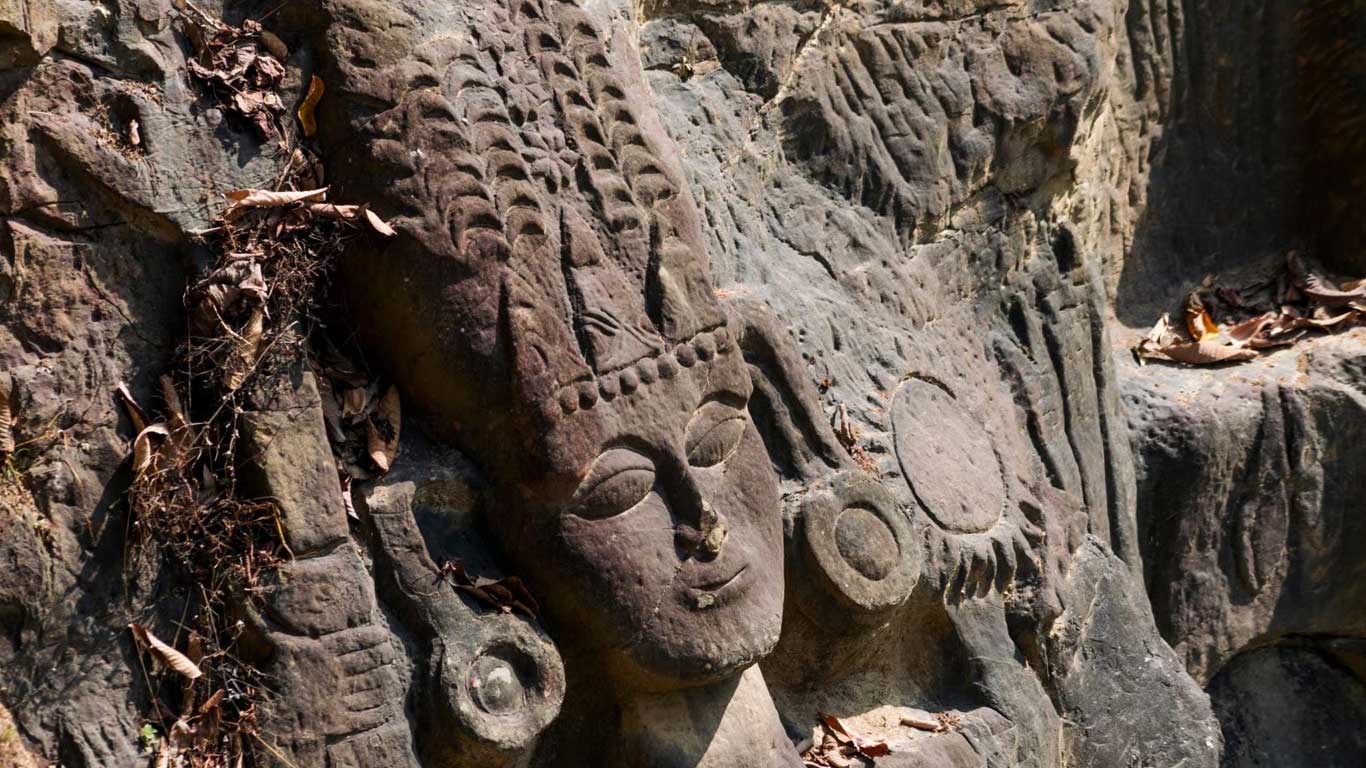
About 170 kilometres from Agartala lies Unakoti, one of Tripura’s most extraordinary and offbeat heritage destinations. This ancient Shaivite site is home to massive rock-cut sculptures carved into a forested hillside, some rising over 30 feet high. The scale, artistry and mystery of Unakoti make it a must-visit for travellers interested in archaeology, mythology and photography.
Sepahijala Wildlife Sanctuary
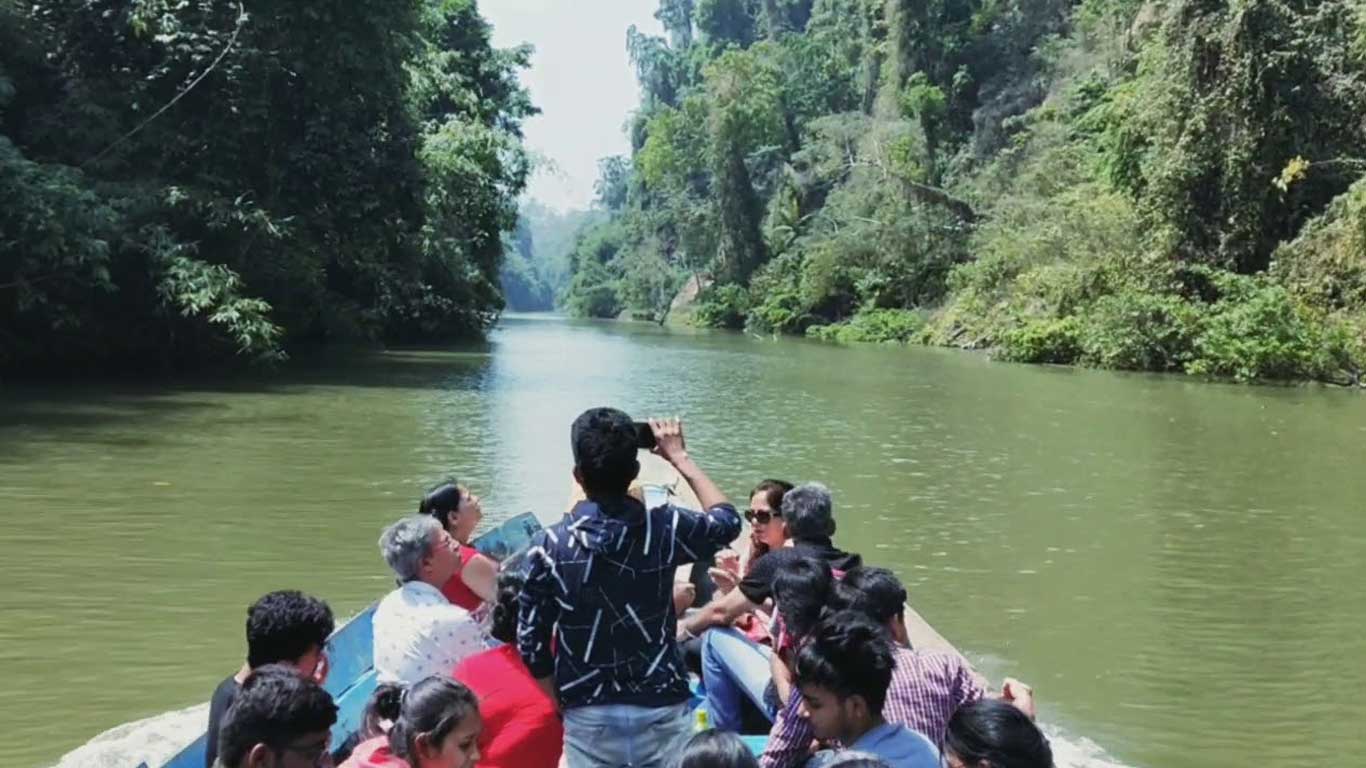
Located close to Agartala, Sepahijala Wildlife Sanctuary offers a refreshing nature escape. Spread across a forested landscape, it houses over 150 bird species along with mammals such as spectacled monkeys, deer and clouded leopards. The sanctuary also includes a zoological park, orchid garden, rubber plantation and boating facilities, making it suitable for families and wildlife enthusiasts alike.
Jampui Hills – Tripura’s Highest Range
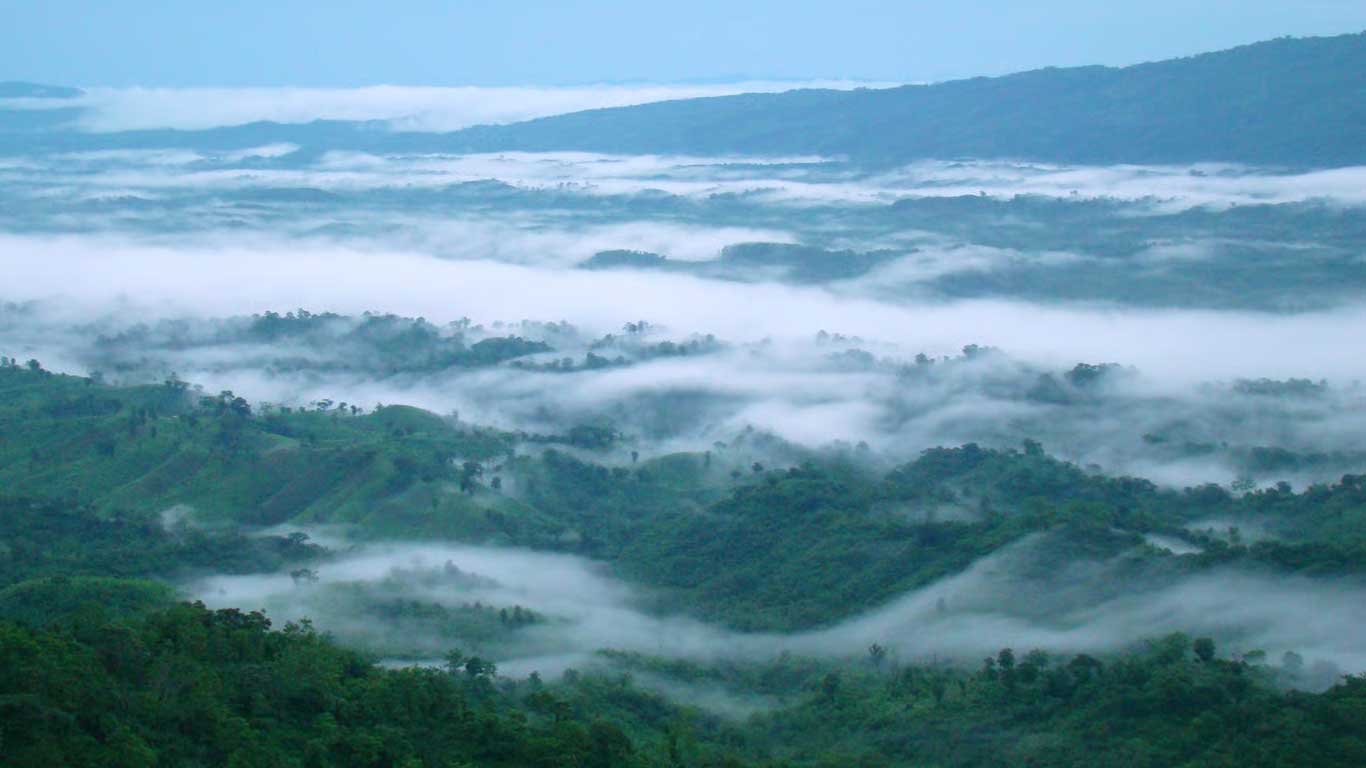
In the northeastern part of the state rise the Jampui Hills, Tripura’s highest hill range, bordering Mizoram. Known for cool weather, orange orchards and sweeping sunrise and sunset views, Jampui Hills are ideal for travellers seeking quiet nature, village walks and cultural interaction with hill communities. Tourism here remains low-key, which is precisely its charm.
Weather and Best Time to Visit Tripura
Tripura has a humid subtropical climate. Summers, from March to May, can be hot in the plains, with temperatures occasionally touching 38–40°C, while the hills remain relatively cooler. The monsoon arrives around June and lasts till September, bringing heavy rainfall that turns the landscape lush but can disrupt travel plans.
Winter, from October to February, is the most comfortable time to explore Tripura. Temperatures range between 10°C and 25°C, making it ideal for sightseeing, temple visits and hill travel. While Tripura can technically be visited year-round, winter offers the best balance of weather and accessibility.
How to Reach Tripura
Agartala, the state capital, is the main entry point. Maharaja Bir Bikram Airport is well connected with regular flights from Kolkata, Guwahati, Delhi and other major cities. Rail connectivity has improved significantly since Tripura was linked to the national railway network via Guwahati, though train journeys remain long and less frequent.
Road travel to Tripura is possible via Assam and Meghalaya, with the Shillong–Agartala route taking around 12 to 13 hours. For most travellers, especially those on a limited time, flying into Agartala remains the most practical option.
Frequently Asked Questions About Tripura Travel
Is Tripura safe for tourists?
Yes, Tripura is considered one of the safer states in Northeast India, with friendly locals and a generally calm atmosphere.
How many days are ideal for a Tripura trip?
A well-paced trip of five to seven days allows you to cover Agartala, Udaipur, Unakoti and either Sepahijala or Jampui Hills.
Are good hotels available in Tripura?
Agartala offers the best range of hotels, from budget to comfortable mid-range options. Limited but decent accommodation is also available in Udaipur and select hill areas.
Is Tripura suitable for family travel?
Yes, Tripura is suitable for families, senior citizens and solo travellers, provided itineraries are planned sensibly.
Explore Tripura with NBTT Travel Solution
Tripura is not about rushing through sights; it is about understanding landscapes, cultures and quiet histories that rarely make headlines. To experience the state meaningfully, thoughtful planning and local insight are essential.
NBTT Travel Solution Private Limited specialises in curated travel experiences across Northeast India, including customised Tripura tour packages, heritage trails, temple circuits and nature-based itineraries. Whether you are planning a short Agartala sightseeing trip or a deeper exploration covering Unakoti, Jampui Hills and tribal regions, NBTT ensures seamless logistics and authentic experiences.
For expert guidance and personalised Tripura travel planning, contact NBTT Travel Solution Private Limited at +91 9733300696, and let Tripura reveal itself at its own gentle pace.
East Himalaya
-
Address:NBTT Travel Solution Private Limited, 19, MN Sarkar Road, Sevoke More Siliguri, State : West Bengal, Country : India. PIN : 734001
-
Call Us at:
+91-9733300696 -
Mail Us:
info@east-himalaya.com
