
Gangtok 
Gangtok – The Capital of Sikkim
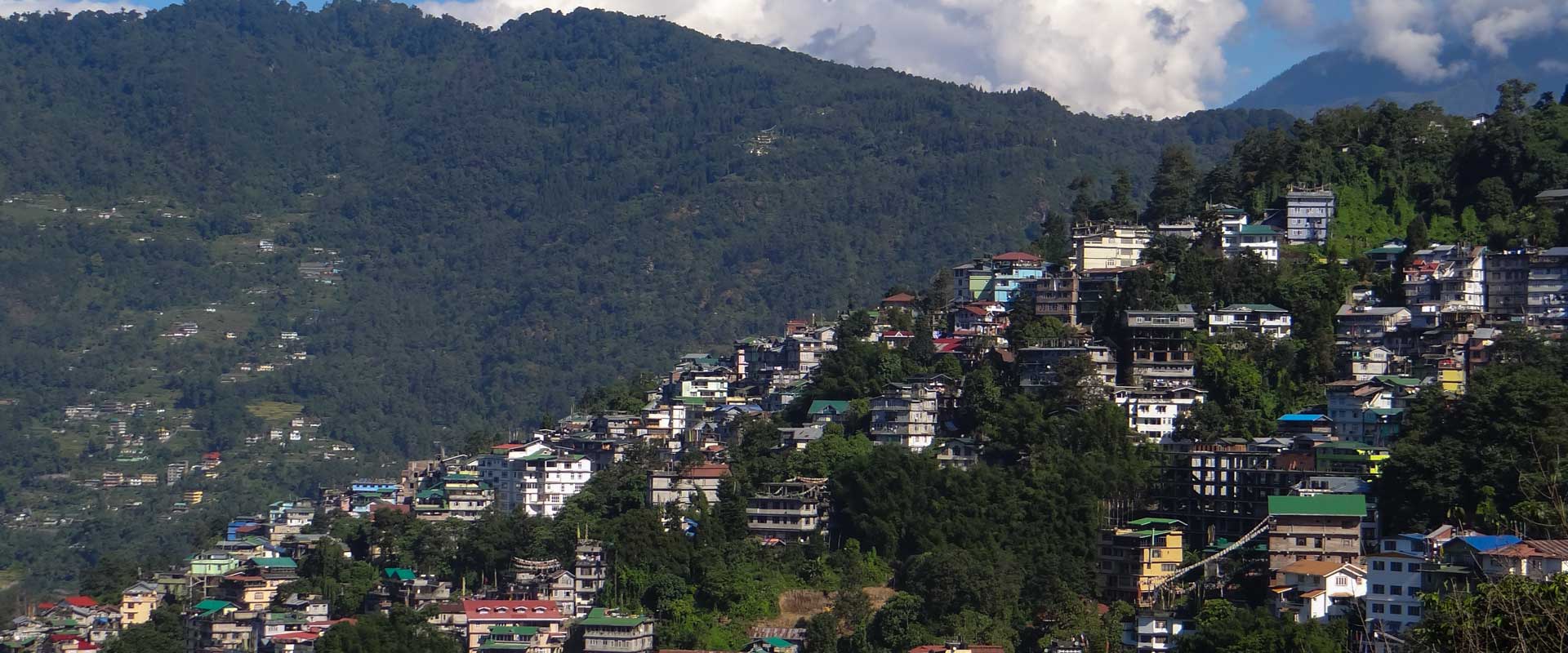
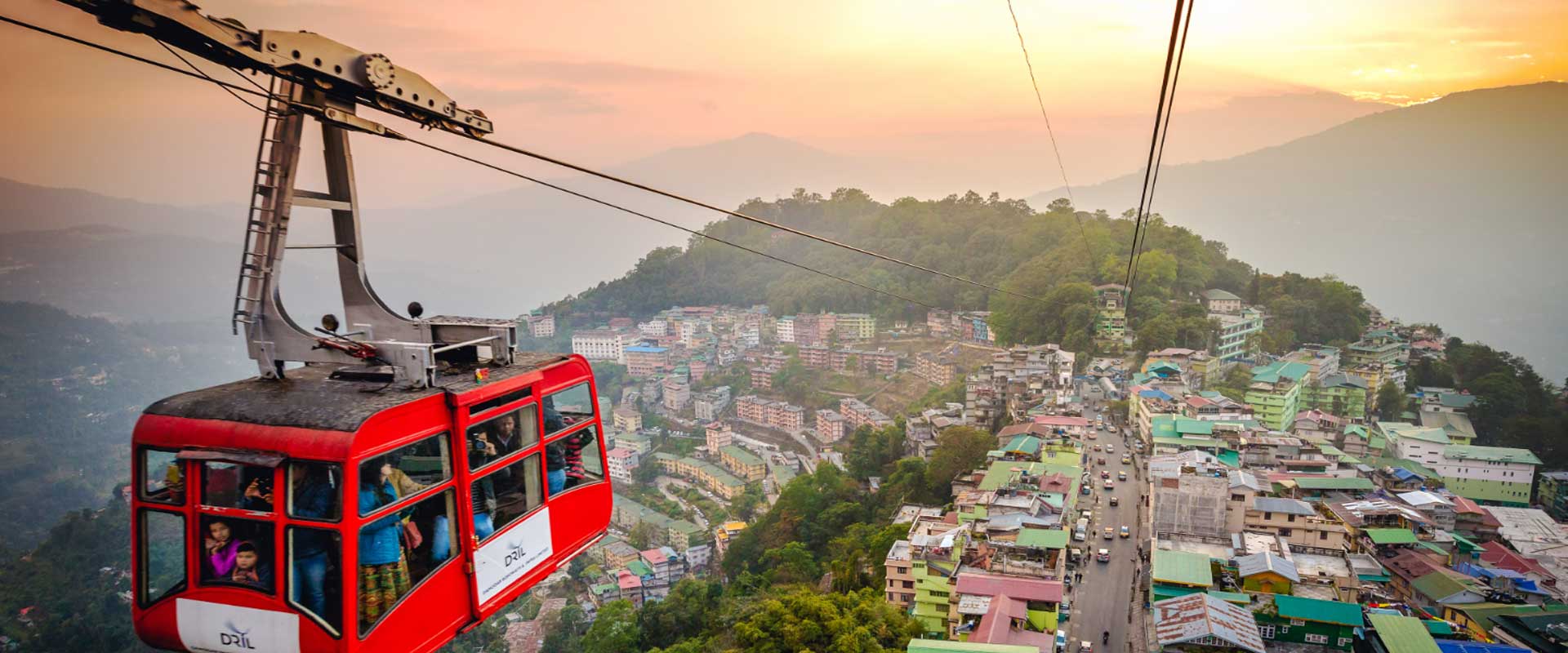
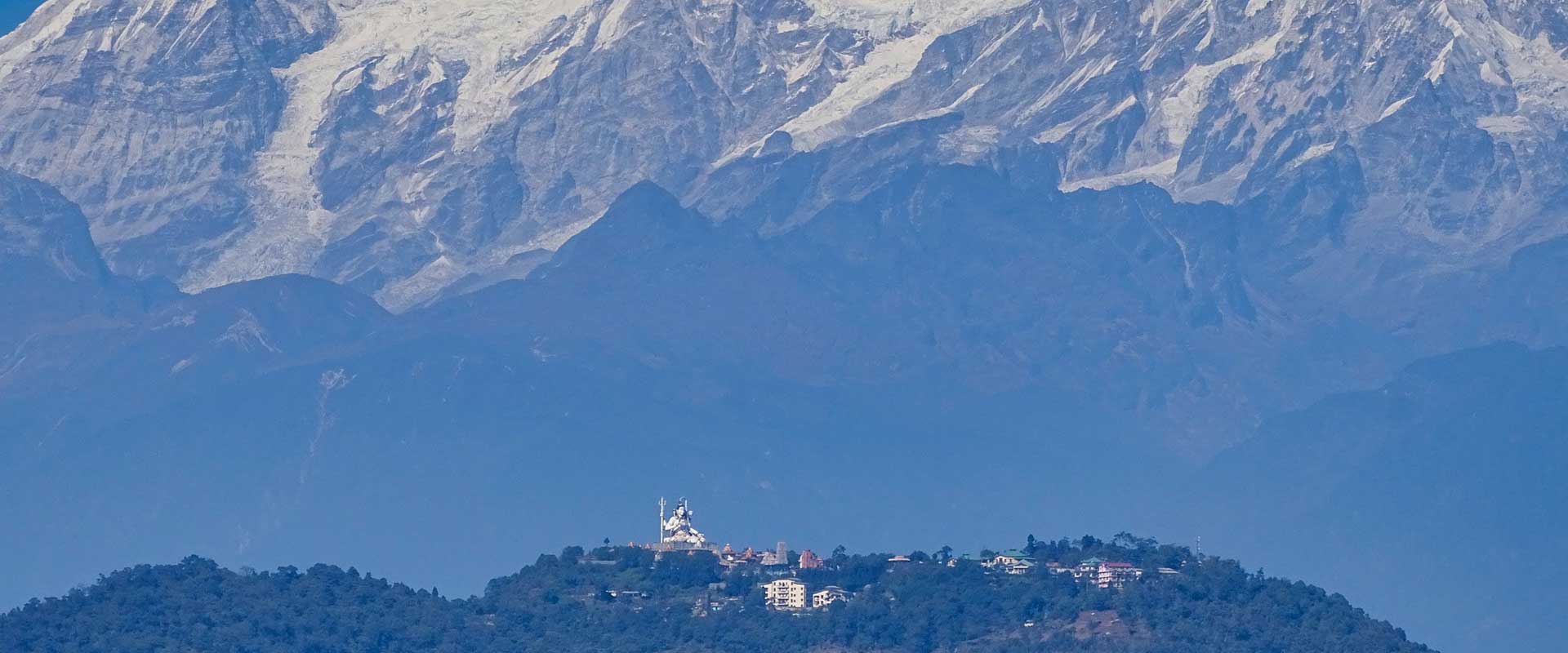
Gangtok, the capital of Sikkim, is not just another hill town in Northeast India. It is a living, breathing Himalayan capital where monasteries stand beside cafés, prayer flags flutter above modern boutiques, and ancient trade routes quietly coexist with contemporary lifestyles. Perched on a long ridge at an altitude of around 1,700 metres, Gangtok commands sweeping views of the eastern Himalaya and, on clear mornings, the mighty Kanchenjunga, revered locally as a guardian deity rather than just the world’s third-highest peak.
Despite being one of the most visited destinations in the region, Gangtok has managed to retain a sense of order, cleanliness and cultural dignity that surprises first-time visitors. It remains the natural gateway for travellers heading deeper into Sikkim, whether towards high-altitude lakes, border passes, or quieter villages in East and North Sikkim.
Location, Altitude and Urban Character
Gangtok lies approximately 110 kilometres from Siliguri, the plains town that serves as the main transport hub for North Bengal and Sikkim. Spread over roughly 25 square kilometres, the town cascades down steep slopes rather than expanding horizontally. Roads wind sharply, viewpoints appear unexpectedly, and neighbourhoods rise one above another in layers.
As per the 2011 Census, Gangtok’s official population was under one lakh, though current estimates place the urban population closer to 1.5 lakh when adjoining settlements are included. The town functions as Sikkim’s political, administrative and economic centre, which explains its relatively cosmopolitan character compared to other Himalayan towns.
Nepali is the principal spoken language, but English, Hindi, Bengali and Tibetan are widely understood, making communication easy for domestic and international travellers alike.
Climate and Local Weather Throughout the Year
Gangtok enjoys a mild temperate climate, but weather patterns vary sharply with seasons and altitude-related cloud movement.
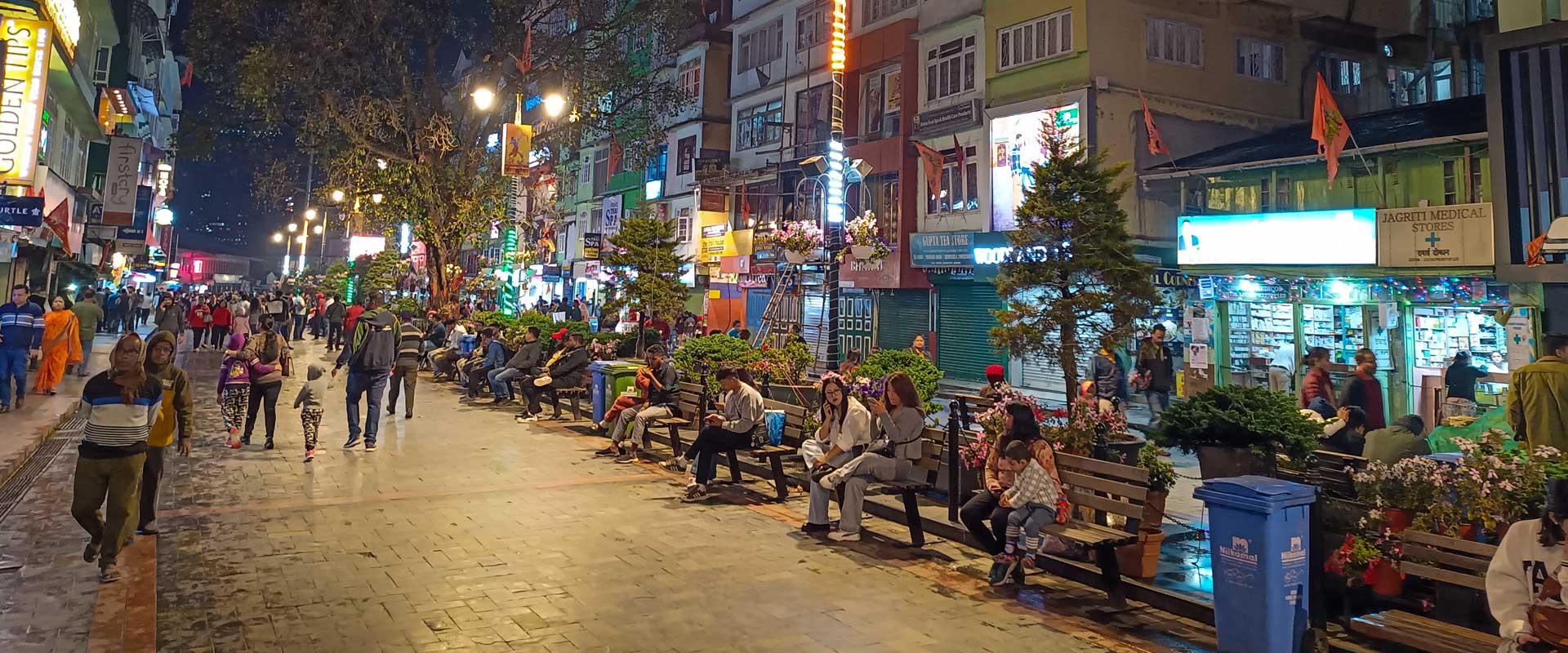
Summers, from April to June, are pleasant, with daytime temperatures hovering around 20–23°C. This is one of the best periods for sightseeing, walking around MG Marg and visiting monasteries without weather disruptions.
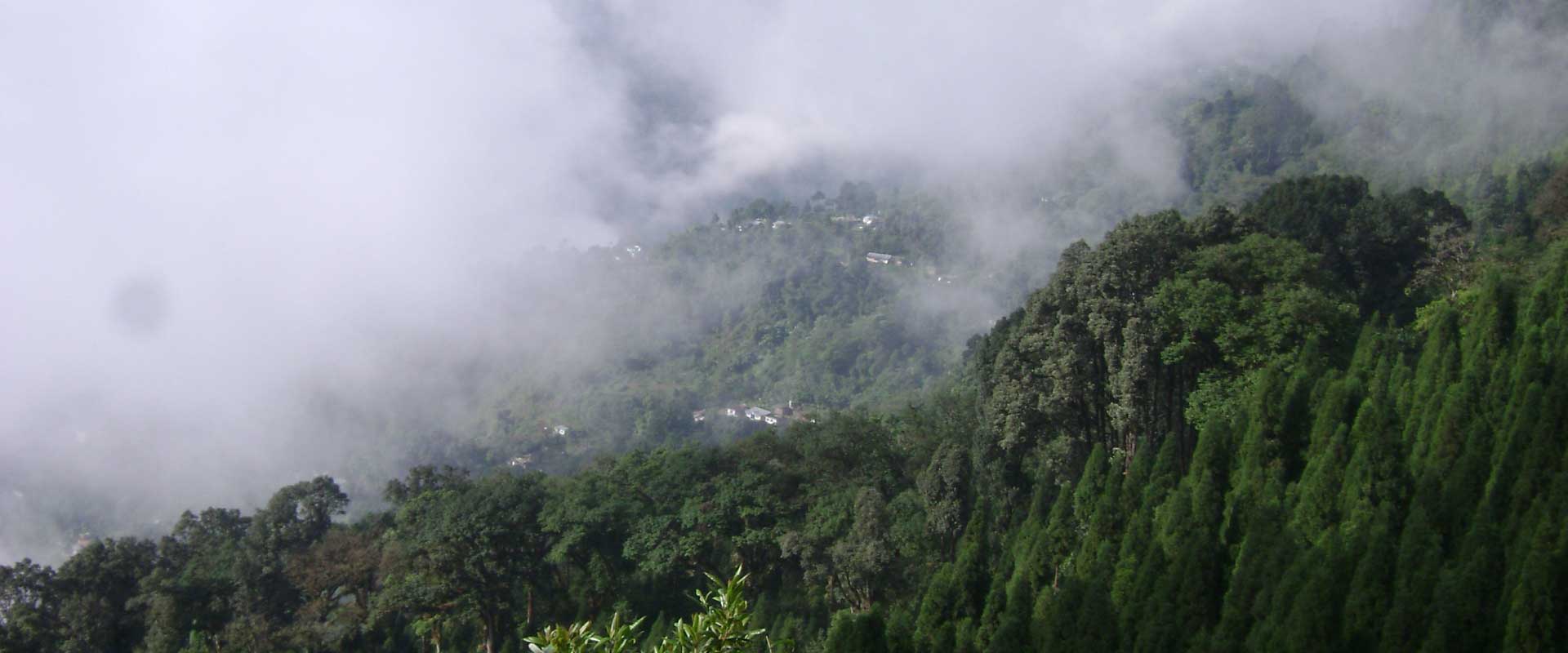
The monsoon season, stretching from July to September, brings heavy rainfall. While the hills turn intensely green and misty, landslides and roadblocks are common, particularly on approach roads from Siliguri. This period is better suited for slow travellers who are flexible with plans.
Winters, from December to February, are cold but rarely extreme within the town. Day temperatures range from 6–10°C, with colder nights. Snowfall is rare in Gangtok itself but visible on surrounding peaks, making winter a visually rewarding time if you are prepared for the cold.
How to Reach Gangtok
Gangtok is connected to the rest of India primarily through NH10 (earlier NH31A), linking Sikkim with Siliguri.
The nearest major railway station is New Jalpaiguri (NJP), about 125 kilometres away. From NJP, travellers can opt for reserved taxis or shared jeeps, the latter being a common and efficient mode of transport in the region.
Bagdogra Airport, roughly 130 kilometres from Gangtok, handles regular flights from major Indian cities. From here too, taxis are easily available for the uphill journey.
Sikkim’s first airport at Pakyong, inaugurated in 2018, is technically closer to Gangtok, but operational challenges related to weather and terrain mean flights remain irregular even today. It is best treated as a bonus option rather than a reliable entry point.
Helicopter services between Bagdogra and Gangtok operate intermittently, largely depending on weather and demand.
Regular buses run between Gangtok, Siliguri and Darjeeling, with Sikkim Nationalised Transport (SNT) being the most reliable operator. However, most tourists prefer smaller vehicles for flexibility, comfort and time efficiency.
Permits and Entry Formalities
Indian nationals do not require permits to visit Gangtok itself. However, certain areas around Gangtok, such as Nathula Pass and Tsongmo Lake, require special permits arranged through registered tour operators.
International travellers need a valid Indian visa and an Inner Line Permit (ILP) to enter Sikkim. These permits are usually arranged at Rangpo or through authorised agents and hotels in advance. Organising this through an experienced local operator avoids unnecessary delays.
Sightseeing in and Around Gangtok
Gangtok’s sightseeing circuit blends spirituality, natural beauty, history and gentle leisure, making it suitable for a wide range of travellers.
Monasteries and Spiritual Landmarks
Rumtek Monastery, located about 24 kilometres from Gangtok, is the largest monastery in the Eastern Himalaya and the seat of the Kagyu order of Tibetan Buddhism. Built by the 16th Gyalwa Karmapa, Rumtek is both architecturally impressive and spiritually significant, set against forested hills that add to its serenity.
The Enchey Monastery, over 200 years old, sits quietly above town and belongs to the Nyingma order. Its annual Cham mask dance, held in January, draws visitors interested in ritualistic Buddhist art forms.
The Do-Drul Chorten, built in 1945 by Trulshi Rimpoche, is one of Gangtok’s most important stupas. Surrounded by prayer wheels and often filled with chanting monks, it offers a deeply calming experience.
The Namgyal Institute of Tibetology, established in 1958, is a must-visit for anyone curious about Himalayan Buddhism. Housing rare manuscripts, thangkas and over 200 icons, it remains one of the most respected centres of Tibetan studies in the world.
Lakes, Passes and High-Altitude Excursions
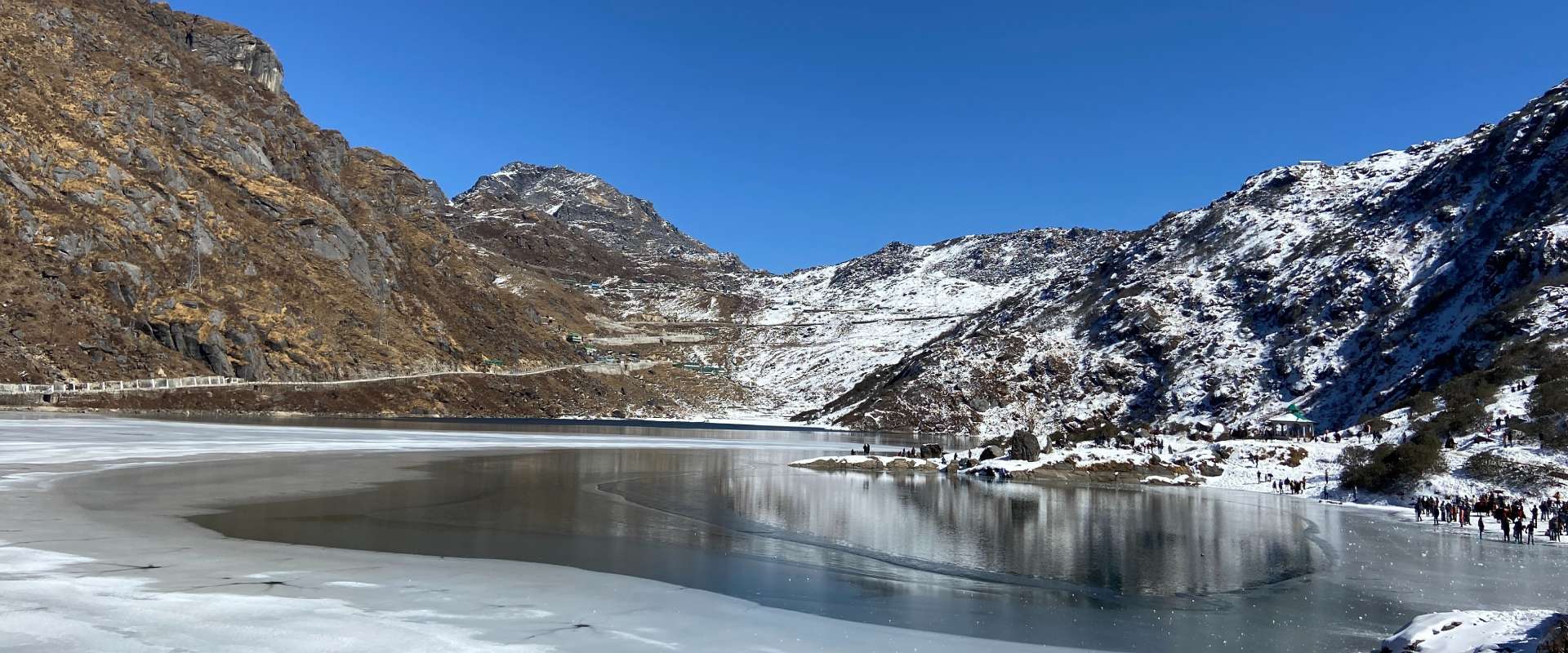
Tsongmo Lake, also known as Changu Lake, lies 40 kilometres northeast of Gangtok at an altitude of 3,780 metres. Sacred to local communities, the lake changes colour with the seasons and remains frozen in winter.
Nathula Pass, at 14,200 feet, marks the Indo-China border on the ancient Silk Route. Only 56 kilometres from Gangtok, it offers stark landscapes, biting winds and a rare opportunity to see two nations facing each other across history-laden mountains.
Gardens and Viewpoints
The Flower Exhibition Centre, near the White Hall Complex, showcases orchids, bonsai and seasonal blooms, with exhibitions now held across most of the year rather than limited months.
The Jawaharlal Nehru Botanical Garden, about 24 kilometres away, preserves temperate forests with oak and other Himalayan species.
Viewpoints such as Tashi View Point, Ganesh Tok and Hanuman Tok offer panoramic vistas of Kanchenjunga and Gangtok town, especially striking at sunrise.
Where to Stay and Eat in Gangtok
Gangtok offers a wide spectrum of hotels, boutique stays, homestays and luxury properties, particularly around MG Marg, Deorali and upper Gangtok areas. Choosing accommodation depends heavily on road access and views, as steep terrain can make short distances feel long.
Food in Gangtok reflects its multicultural roots. Tibetan, Nepali, Bhutia and modern Indian cuisines coexist effortlessly. Momos, thukpa, phagshapa and fermented dishes sit alongside cafés serving continental food, making the town surprisingly versatile for long stays.
Responsible Travel and Local Culture
Gangtok is known for cleanliness, strict plastic control and civic discipline. Visitors are expected to respect monastery etiquette, dress modestly at religious sites and avoid littering. The local culture values quiet dignity over loud tourism, something experienced travellers quickly appreciate.
Frequently Asked Questions About Gangtok
Is Gangtok safe for solo travellers and families?
Yes. Gangtok is considered one of the safest hill towns in India, with low crime rates and a strong civic sense.
How many days are ideal for Gangtok?
Three to four days allow you to explore Gangtok town and nearby attractions comfortably. Longer stays work well if combined with excursions to Nathula or East Sikkim.
Can senior citizens visit Nathula from Gangtok?
Nathula is at a high altitude and may not be suitable for everyone. Medical fitness and weather conditions should be considered, and advice from local operators is important.
Is Gangtok suitable during the monsoon?
It can be visited, but travellers should expect delays and remain flexible due to landslides and rain-related disruptions.
Do hotels in Gangtok provide permits?
Some hotels assist, but permits for restricted areas are best handled through registered tour operators.
Plan Your Gangtok Trip with Local Experts
Gangtok rewards travellers who approach it with time, curiosity and local insight. Whether you are planning a relaxed hill holiday, a spiritual exploration, or a base for high-altitude adventures, the right planning makes all the difference.
NBTT Travel Solution Private Limited brings decades of on-ground experience across Sikkim and the Eastern Himalaya. From carefully curated Gangtok tour packages and reliable hotel bookings to seamless transport and permit arrangements, NBTT ensures your journey is smooth, authentic and unhurried.
For personalised itineraries, expert guidance and dependable local support, connect with NBTT today at +919733300696 and experience Gangtok the way seasoned travellers do.
Gangtok Ravangla Pelling Package Tour
Gangtok (2 Nights), Ravangla (1 Night), Yuksom (1 Night), Pelling (2 Nights)
Gangtok Darjeeling North Sikkim Tour
Gangtok (2+2 Nights), Lachen (1 Night), Lachung (2 Nights), Darjeeling (3 Nights)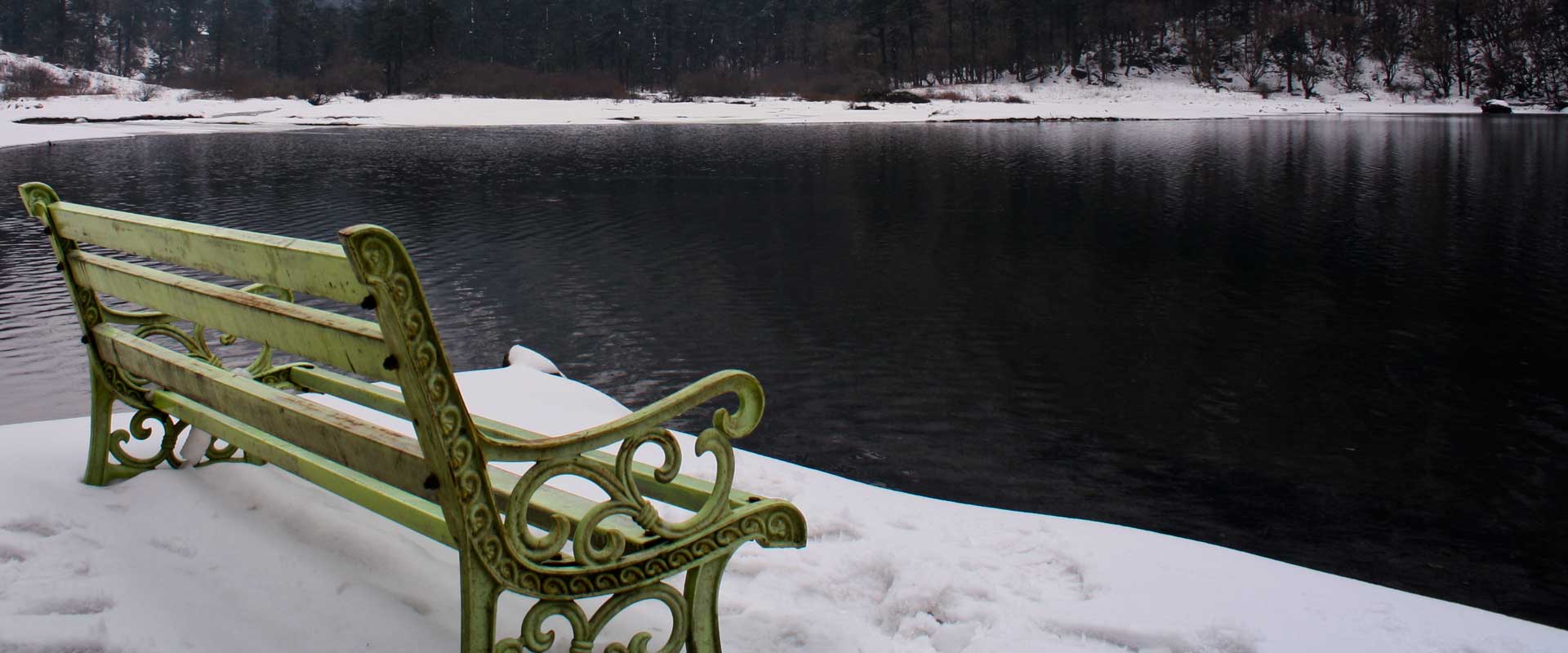
Gangtok Pelling Darjeeling Tour Plan
Gangtok (2+1 Nights), Lachung (2 Nights), Pelling (2 Nights), Darjeeling (2 Nights)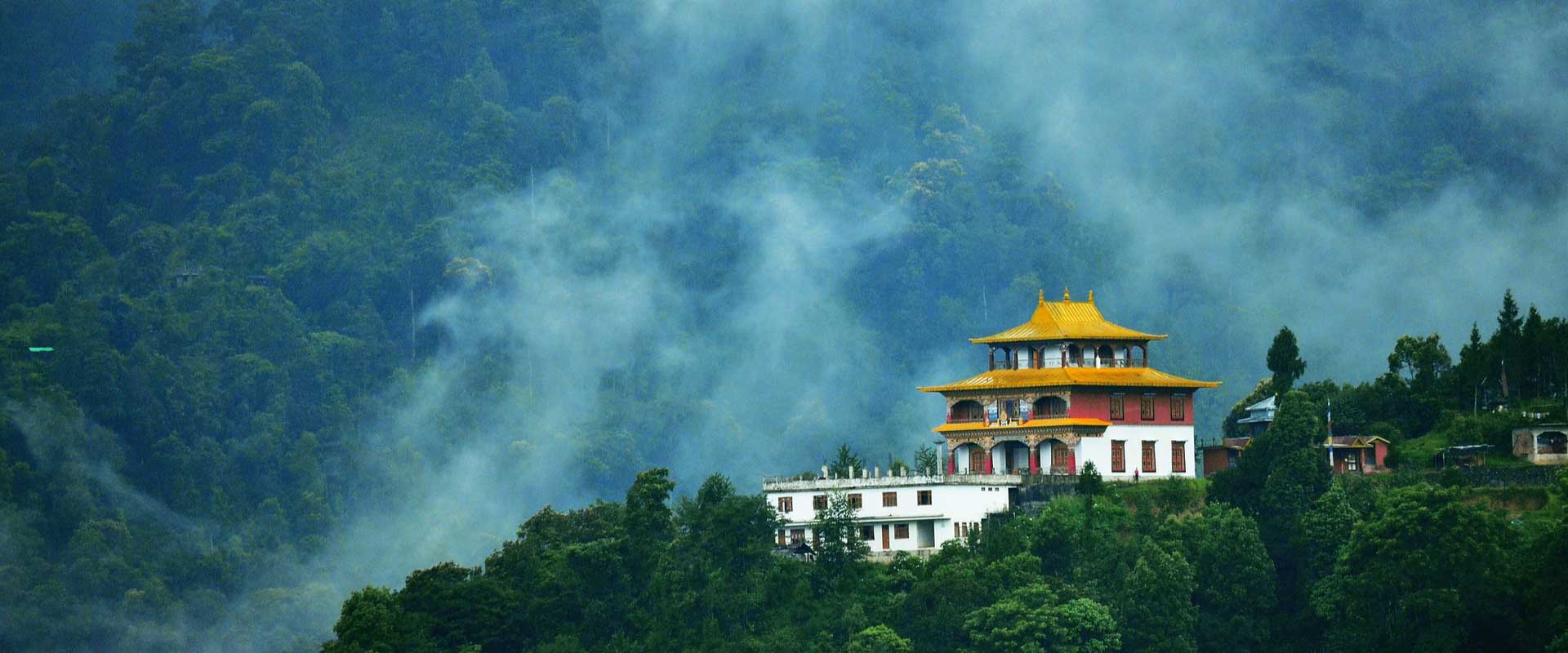
East Himalaya
-
Address:NBTT Travel Solution Private Limited, 19, MN Sarkar Road, Sevoke More Siliguri, State : West Bengal, Country : India. PIN : 734001
-
Call Us at:
+91-9733300696 -
Mail Us:
info@east-himalaya.com
