
Lachen 
Lachen – Gateway to Gurudongmar Lake and High Himalayan Sikkim
Lachen is not a destination you casually drop into. It is remote, high-altitude, weather-driven and deeply tied to the rhythms of the mountains. Located in North Sikkim, Lachen is the quieter sister village of Lachung, serving primarily as the base village for Gurudongmar Lake and Chopta Valley, two of the most dramatic landscapes in the Eastern Himalayas.
Perched at an altitude of about 8,838 feet, Lachen lies roughly 120–125 km from Gangtok, a journey that usually takes 6 to 8 hours, depending entirely on road and weather conditions. The drive itself is an initiation into North Sikkim – rough stretches, landslide-prone zones, dramatic river gorges and sudden moments of breathtaking beauty.
Landscape and Setting – Where the Mountains Take Over
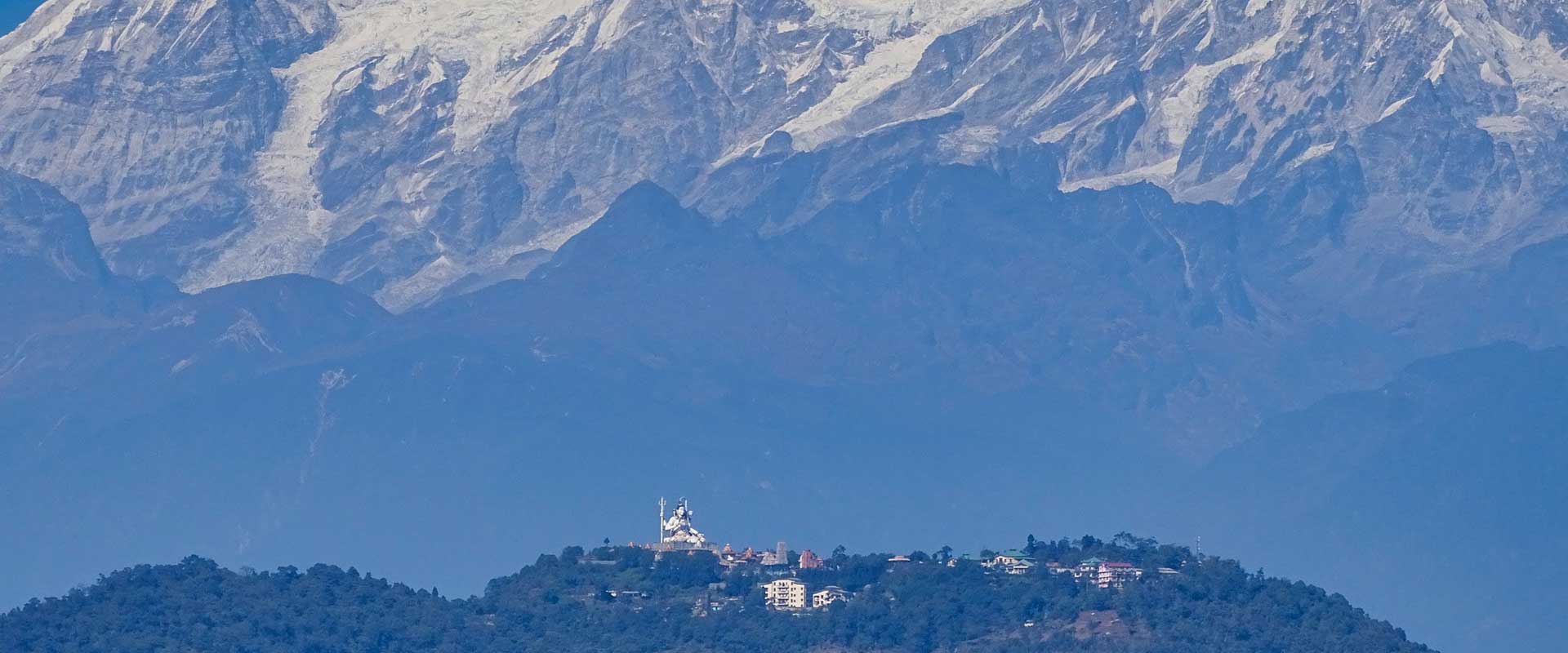
Lachen stands on a broad grassy plateau, a rarity in this sharply folded Himalayan terrain. The village is dramatically separated by deep gorges carved by the Lachen Chu, beyond which pine forests climb steeply towards black rock faces and snowbound peaks. The setting feels stark yet open, with wide skies and an unmistakable sense of altitude.
Historically, Lachen was not a permanent settlement. The village consists of approximately 250 houses, which are traditionally used as winter homes by the Lachenpa community. During summer, families would move with their yak herds to alpine pastures closer to the Indo-Tibetan border. Tourism has changed this rhythm, and today most houses lining the single main road have been converted into hotels, lodges and small resorts catering to North Sikkim tour packages.
Getting to Lachen – The Journey Matters
Lachen is accessed via the North Sikkim Highway from Gangtok. The road passes through Phodong and Mangan before reaching Chungthang, the last major junction town. From Chungthang, the road splits, with the right branch leading to Lachung and the left heading towards Lachen, around 26 km away.
It is important to set expectations correctly. The road from Gangtok to Lachen is frequently rough, often damaged by monsoon rains, landslides and heavy military movement. Comfort takes a back seat to resilience here. Smaller vehicles with experienced local drivers are strongly recommended, and buffer time should always be built into your itinerary.
Weather in Lachen – Cold Is a Constant Companion
Lachen experiences a high-altitude alpine climate, and weather plays a decisive role in all travel plans.
From April to June, days are cool and pleasant, with temperatures ranging between 8°C and 15°C, though nights can be cold. This is one of the best periods to visit.
The monsoon months, from July to September, bring heavy rainfall, frequent landslides and unpredictable road closures. Gurudongmar Lake tours are often suspended during this period.
From October to November, the weather stabilises again, skies are clear, and visibility improves dramatically. Nights become very cold, often dropping close to freezing.
Winter, from December to March, is harsh. Temperatures frequently fall well below zero, heavy snowfall can block roads, and access to Gurudongmar Lake is often restricted or closed depending on conditions.
What to See and Experience in Lachen
Lachen itself is quiet, almost austere. Its importance lies in what it allows you to access.
Gurudongmar Lake
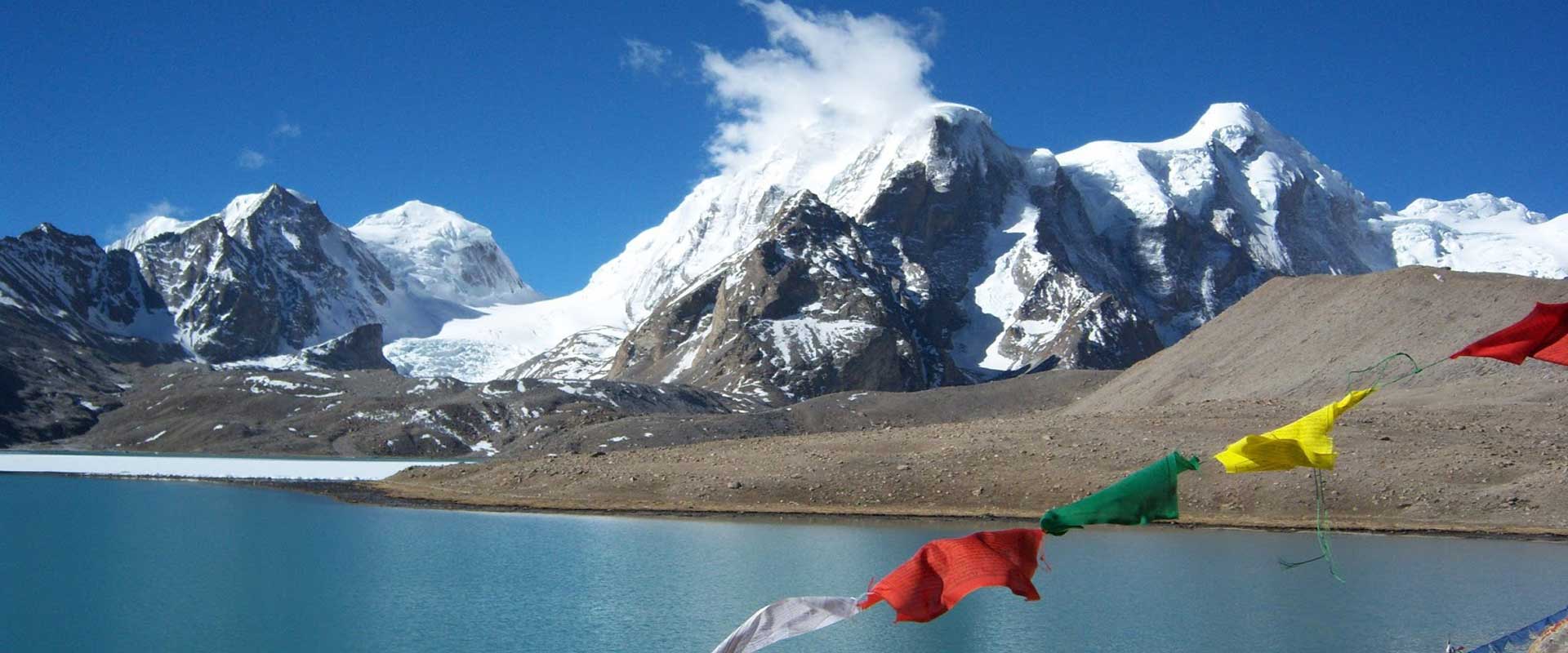
Lachen is the mandatory overnight halt before visiting Gurudongmar Lake, one of the highest accessible lakes in the world, located at around 17,800 feet. Though the lake is only about 67 km away, the journey takes close to 4 hours due to extreme altitude gain, unpaved roads and security checkpoints.
The drive involves a climb of nearly 9,000 feet in a single morning, which is why travellers must start very early, usually before sunrise. The weather deteriorates rapidly after midday, and staying too long at the lake is not advisable due to altitude-related risks.
Chopta Valley
Often overshadowed by Gurudongmar, Chopta Valley offers a gentler but equally striking experience. Rolling alpine meadows, snow-covered plains in winter, and wide-open landscapes make it a photographer’s delight. Depending on conditions and permits, Chopta may be included as part of an extended North Sikkim sightseeing.
Lachen Monastery (Ngodub Choling)
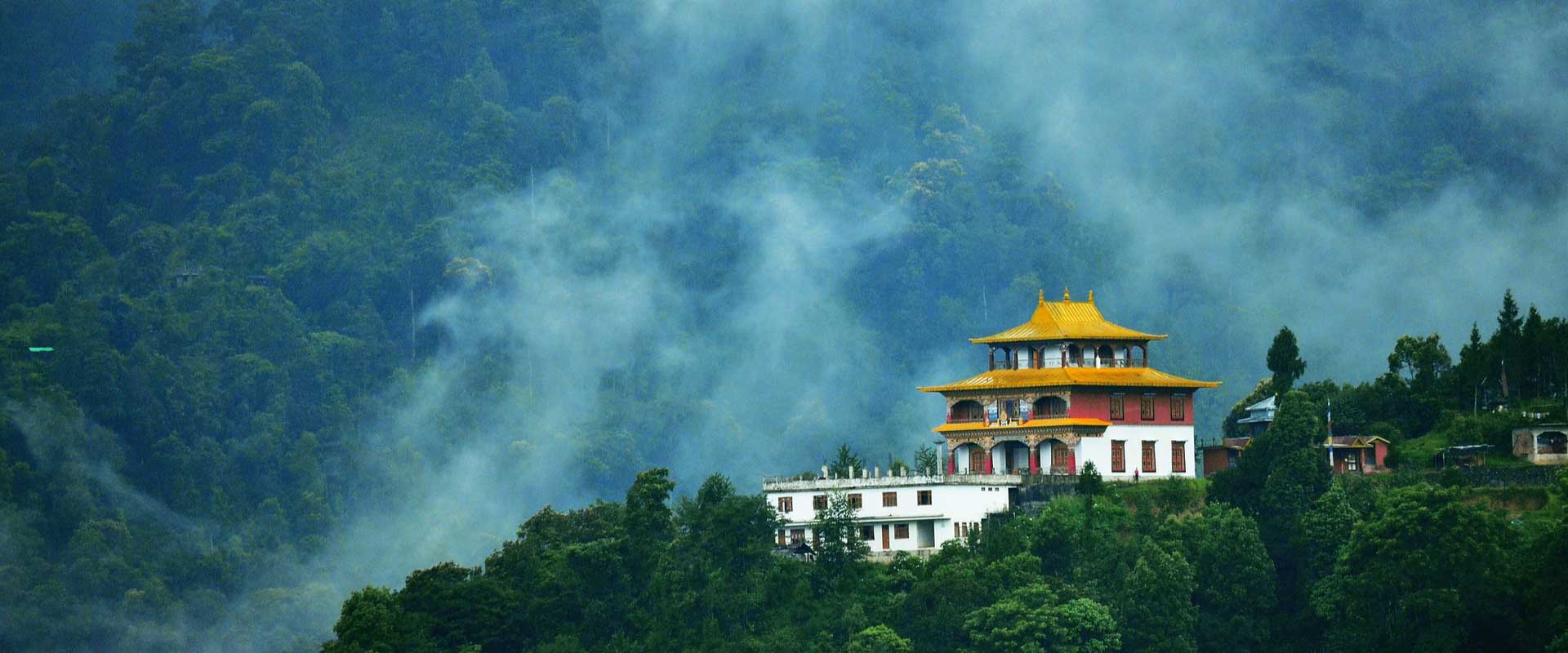
If you have time to slow down, the Ngodub Choling Monastery, built in 1858, deserves a visit. One of the oldest monasteries in Sikkim, it follows the Nyingma sect of Tibetan Buddhism. Set on a hill overlooking the village, the monastery has a large open ground offering panoramic views of Lachen and the surrounding hills. The atmosphere here is calm, contemplative and deeply rooted in local spiritual life.
Handicraft Centre
In the small market area, the Handicraft Centre provides a glimpse into traditional skills. You may see local women weaving carpets from yak wool, a craft tied closely to the region’s pastoral heritage. It is a modest stop, but culturally meaningful.
Where to Stay in Lachen – Practical Realities
Lachen has several hotels and lodges ranging from basic to comfortable, but expectations should be realistic. Luxury, as understood in urban terms, does not exist here. Heating, hot water availability and electricity can be inconsistent due to altitude and weather.
An important point travellers often miss is that hotels in Lachen cannot be booked independently. As per Sikkim government regulations, North Sikkim can only be visited through a registered tour operator, with accommodation, transport and permits bundled into a complete tour package.
This is where choosing the right travel partner becomes crucial.
People, Culture and Everyday Life
The original inhabitants of the region are the Lachenpa, a distinct community with customs shaped by high-altitude living, pastoral traditions and Tibetan Buddhist practices. With the growth of tourism and the presence of a large Indian Army base in the region, Lachen today has a mixed population, including people from other parts of Sikkim and India.
Despite this, village life remains simple and restrained. Evenings are quiet, nights are early, and the rhythm of life follows daylight, weather and road conditions rather than clocks.
Permits and Travel Rules – Essential to Know
All travellers to Lachen require special permits, issued only through authorised travel agencies. Foreign nationals need additional approvals, and access rules can change depending on security and weather conditions. Independent travel is not permitted beyond certain checkpoints.
Frequently Asked Questions About Lachen
Is Lachen safe for tourists?
Yes, when visited through authorised tour operators and with proper acclimatisation.
Can senior citizens visit Lachen?
It depends on health and altitude tolerance. Gurudongmar Lake is not recommended for those with heart or respiratory issues.
How many nights should one stay in Lachen?
Usually, one night, as part of a North Sikkim itinerary. Longer stays are rare due to altitude.
Is a mobile network available in Lachen?
Connectivity is limited. BSNL works intermittently; do not rely on data services.
Is Gurudongmar Lake always accessible?
No. Access depends on weather, road conditions and military clearance.
Plan Your North Sikkim Journey with NBTT
Lachen is not about ticking boxes; it is about reaching the edge of the inhabitable Himalayas safely and responsibly. Altitude, permits, road conditions and timing all matter here, and mistakes can quickly turn uncomfortable.
NBTT Travel Solution Private Limited specialises in North Sikkim tour packages, including Lachen, Gurudongmar Lake and Chopta Valley. With strong local networks, experienced drivers, permit handling and realistic itineraries, NBTT ensures that your journey is safe, compliant and well-paced, not rushed or risky.
For expert planning and reliable ground support in Lachen and across Sikkim, connect with NBTT at +919733300696 and travel North Sikkim with confidence and care.
Sikkim Darjeeling Himalayan Package Tour
Gangtok (2+1 Nights), Lachen (1 Night), Lachung (2 Nights), Darjeeling (2 Nights)
Gangtok Darjeeling North Sikkim Tour
Gangtok (2+2 Nights), Lachen (1 Night), Lachung (2 Nights), Darjeeling (3 Nights)
Sikkim Darjeeling Himalayan Tour
Gangtok (3Nights), Lachen (1Night), Lachung (1Nights), Darjeeling (2Nights)East Himalaya
-
Address:NBTT Travel Solution Private Limited, 19, MN Sarkar Road, Sevoke More Siliguri, State : West Bengal, Country : India. PIN : 734001
-
Call Us at:
+91-9733300696 -
Mail Us:
info@east-himalaya.com
