
Lachung 
Lachung – An Experienced Traveller’s Guide to North Sikkim’s Alpine Heart
Lachung, tucked deep inside the dramatic valleys of North Sikkim, remains one of the most evocative Himalayan villages that travellers encounter in Eastern India. Perched at an altitude of around 8,800 feet (2,650 metres) and located roughly 115 kilometres from Gangtok, Lachung sits where high mountains, glacial rivers and traditional mountain life intersect. For decades, it has functioned as the most important staging point for journeys to Yumthang Valley, Katao and Yumesamdong (Zero Point), and even today, Lachung’s tourism identity is inseparable from these high-altitude landscapes.
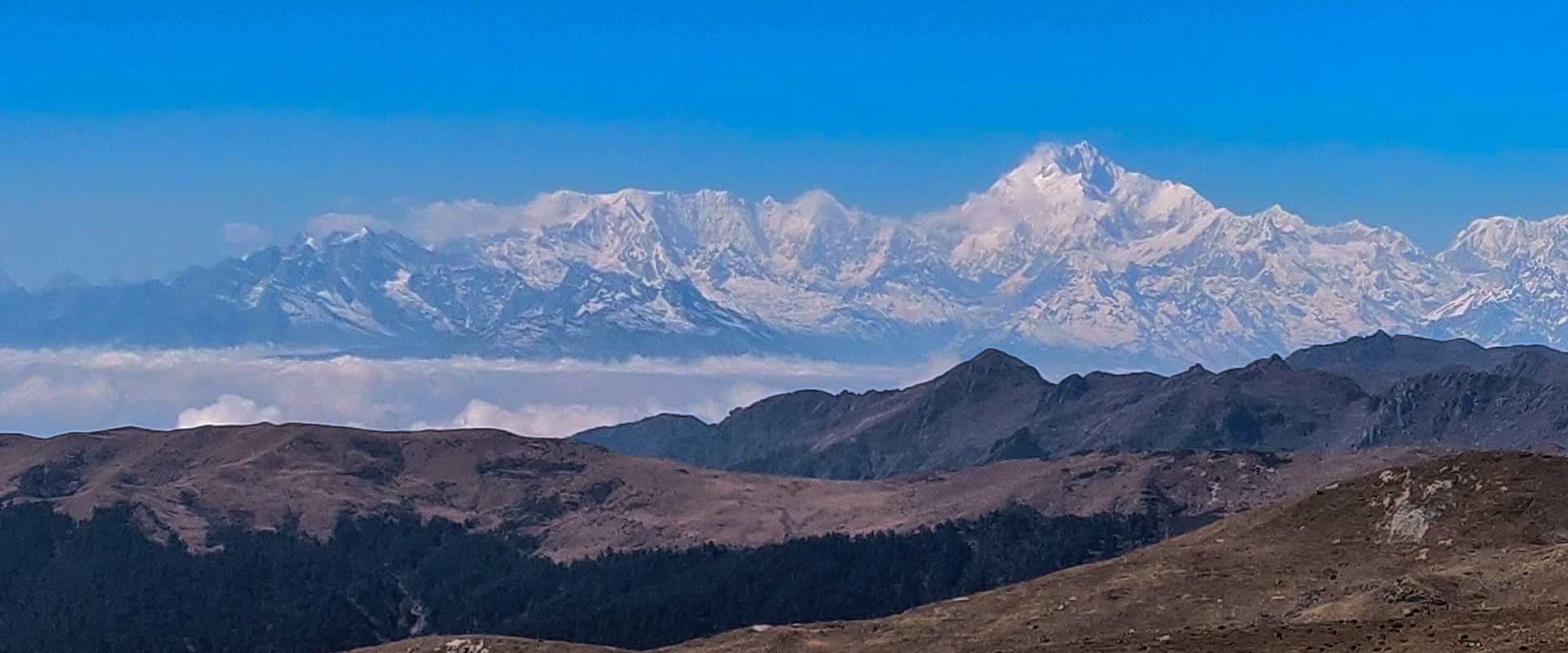
Historically, Lachung was a small, self-sustaining settlement inhabited by the Lachungpa community, who practised transhumance and agriculture in tune with harsh alpine seasons. With no permanent tourist accommodation beyond this point, Lachung gradually evolved into the last viable overnight halt in North Sikkim, a status that continues to shape travel patterns today. Modern Lachung is no longer a sleepy hamlet, yet it has not entirely lost its mountain soul. Snow-clad peaks loom over the village, waterfalls thunder down sheer cliffs, and the Lachung Chu flows relentlessly through the valley, reminding visitors that nature remains firmly in control here.
British botanist Joseph Dalton Hooker, travelling through the region in the mid-19th century, famously described Lachung as the “most picturesque village of Sikkim” in The Himalayan Journal (1855). Over a century later, that description still holds, especially during winter when snowfall turns the entire valley into a near-mythical landscape.
Location, Altitude and Travel Context
Lachung lies within Mangan District (earlier known as North Sikkim) and can only be accessed via Gangtok due to permit regulations and road logistics. It stands at a strategic junction for North Sikkim sightseeing, serving as the overnight base for Yumthang Valley tours. There are no tourist accommodations north of Lachung, which means all travellers must return to the village by evening.
While Lachung itself can be explored at a leisurely pace, most visitors arrive with sightseeing itineraries that begin early in the morning and stretch well into the afternoon, often in demanding high-altitude conditions.
Sightseeing in and Around Lachung
Lachung works best when approached as more than just a night halt. Between early morning walks, slow evenings by the river and short excursions to nearby viewpoints, the village offers subtle experiences that many rushed itineraries miss.
The Lachung Chu River, originating from the high Himalayan Tso Lhamo Lake, flows through the heart of the village before descending towards Chungthang, where it merges with the Lachen Chu to form the Teesta River. Sitting beside the river, especially in the late afternoon, offers a rare sense of calm after long mountain drives.
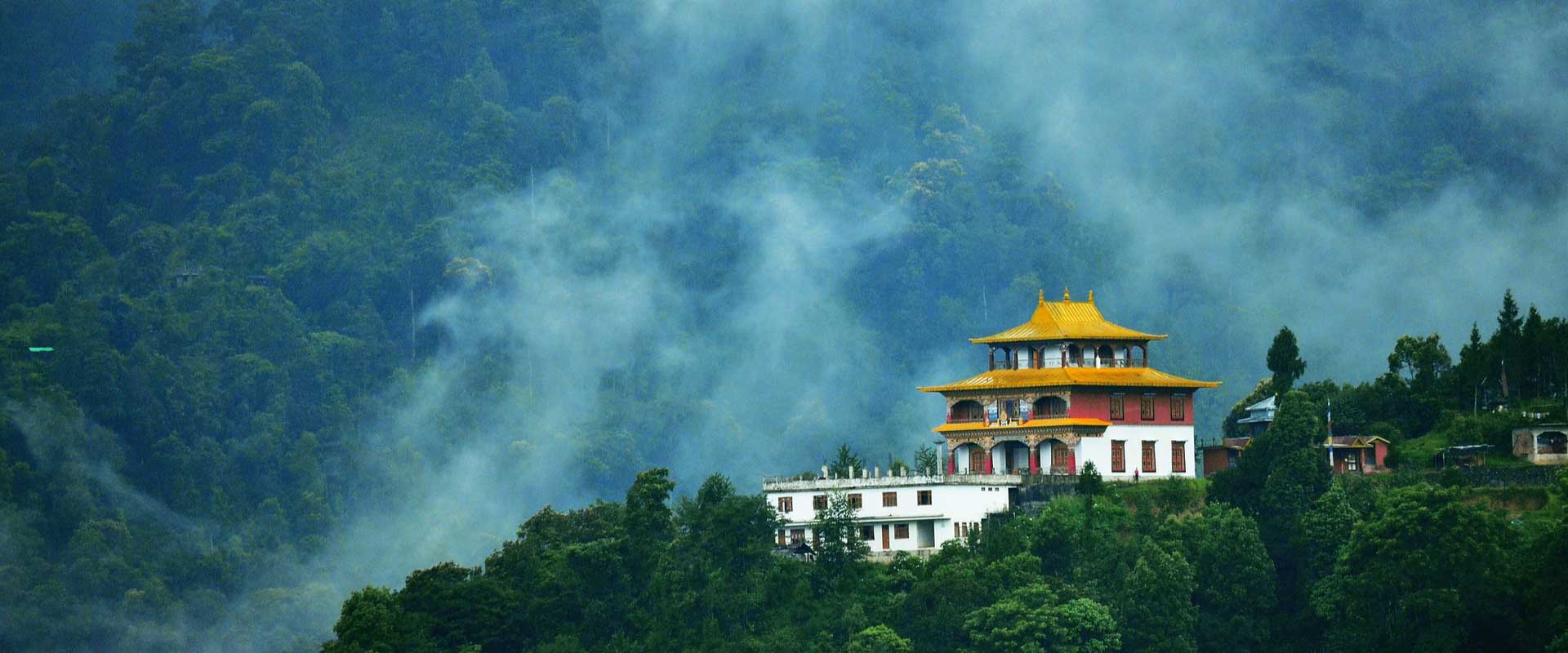
The Lachung Monastery, established around 1880 and belonging to the Nyingma sect of Tibetan Buddhism, crowns a solitary hill above the village. Originally a Bon monastery, it later transitioned into a Buddhist institution. The views from the monastery grounds stretch across the valley, and evenings here often coincide with chanting and prayer rituals that provide insight into local spiritual life.
Yumthang Valley – The Valley of Flowers
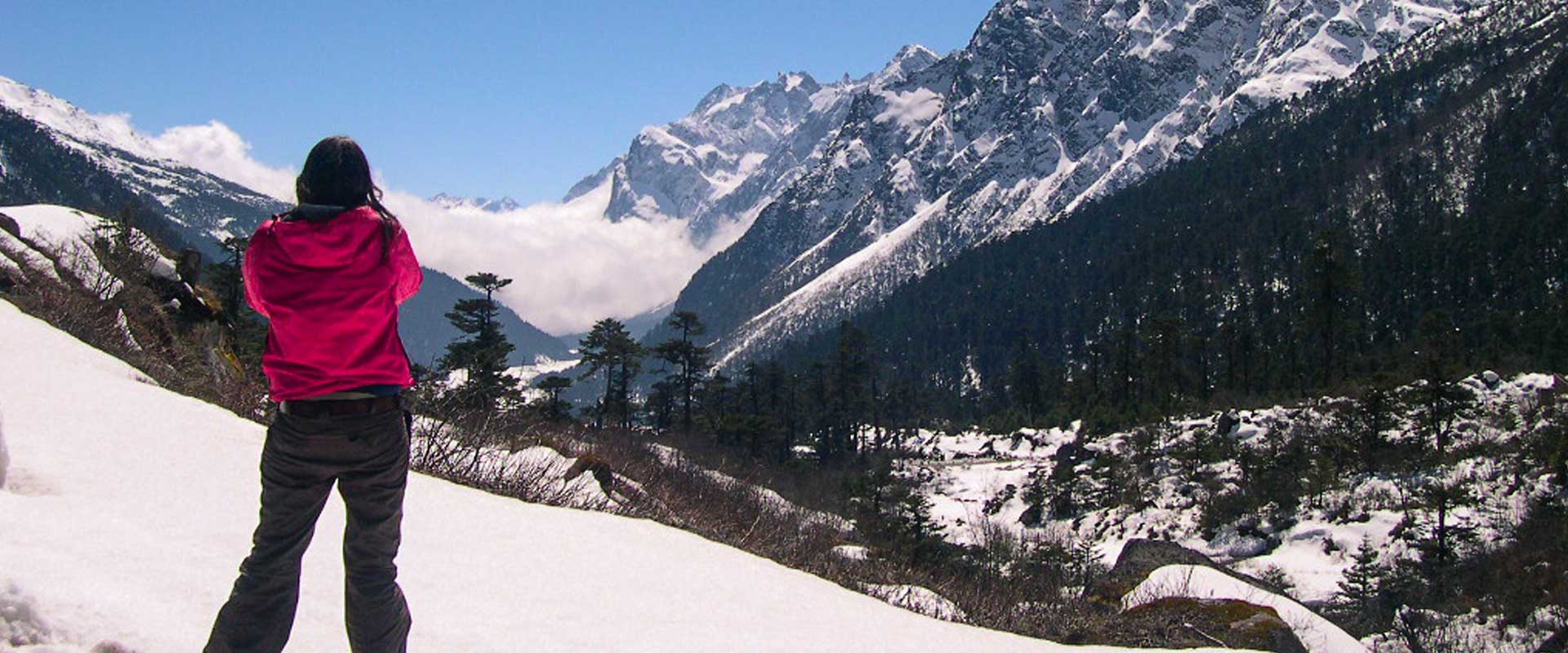
About 25 kilometres from Lachung, Yumthang Valley remains the single most compelling reason travellers venture into North Sikkim. Sitting at an altitude of approximately 12,100 feet, Yumthang transforms dramatically with the seasons. In spring, alpine meadows burst into colour as rhododendrons bloom in vivid shades, while in winter the valley becomes an expansive snowfield bordered by frozen streams and towering peaks.
Yumthang is not merely scenic; it is ecologically significant and culturally revered. The valley remains closed during peak winter months, depending on snow conditions, and accessibility is entirely weather-dependent. Any Yumthang sightseeing plan should remain flexible, a reality that experienced travellers quickly learn to respect.
Yumthang Hot Springs
Near the Yumthang Valley lies the Yumthang Hot Spring, a naturally occurring geothermal phenomenon believed by locals to possess therapeutic properties. The hot springs are accessed via a short walk from the main road and are enclosed within simple structures. Facilities remain minimal, so visitors should carry their own clothing and towels. For those unaccustomed to cold climates, the contrast between icy mountain air and warm mineral water is surprisingly restorative.
Yumesamdong (Zero Point)
Commonly known as Zero Point, Yumesamdong lies around 30 kilometres from Lachung at an altitude of roughly 12,800 feet. It marks the last accessible point for civilian travel in North Sikkim. The landscape here is stark, dramatic and often snowbound even outside winter months. Oxygen levels drop noticeably, and travellers should limit the time spent here. Weather conditions dictate access, and sudden closures are not uncommon.
Katao – High-Altitude Isolation
Located approximately 26 kilometres from Lachung, Katao sits at over 13,000 feet and requires a special permit beyond the standard North Sikkim travel authorisation. Less crowded than Yumthang, Katao appeals to travellers seeking raw Himalayan scenery rather than floral landscapes. Snow activities are sometimes possible depending on the season and local regulations.
Bhewma Falls
Within walking distance of most hotels in Lachung lies Bhewma Falls, a dramatic cascade plunging nearly 300 metres down a cliff. Known locally as the Red Snake, the waterfall is particularly impressive during late spring and early summer when snowmelt increases water volume.
Accommodation in Lachung
Until the late 1990s, Lachung had limited accommodation options, largely confined to homestays and a handful of budget lodges. Tourism growth over the past two decades has transformed the village into a functional hospitality hub catering to varied budgets. While luxury five-star resorts are still absent, Lachung now offers a wide range of hotels, lodges and boutique properties, most operating on a full-board basis due to the remoteness of the region.
Given frequent changes in hotel ownership and seasonal operations, maintaining a static hotel list rarely serves travellers well. Working with an experienced local operator ensures access to the most suitable hotels based on dietary preferences, comfort expectations and seasonal availability.
Dining and Local Cuisine
Dining options in Lachung remain closely tied to hotel kitchens. Independent restaurants are rare, and most travellers eat where they stay. The cuisine reflects a blend of Sikkimese and Tibetan influences, with staples such as momo, thukpa and phagshapa featuring prominently. Vegetarian meals are widely available, though prior communication with hotels remains advisable.
How to Reach Lachung
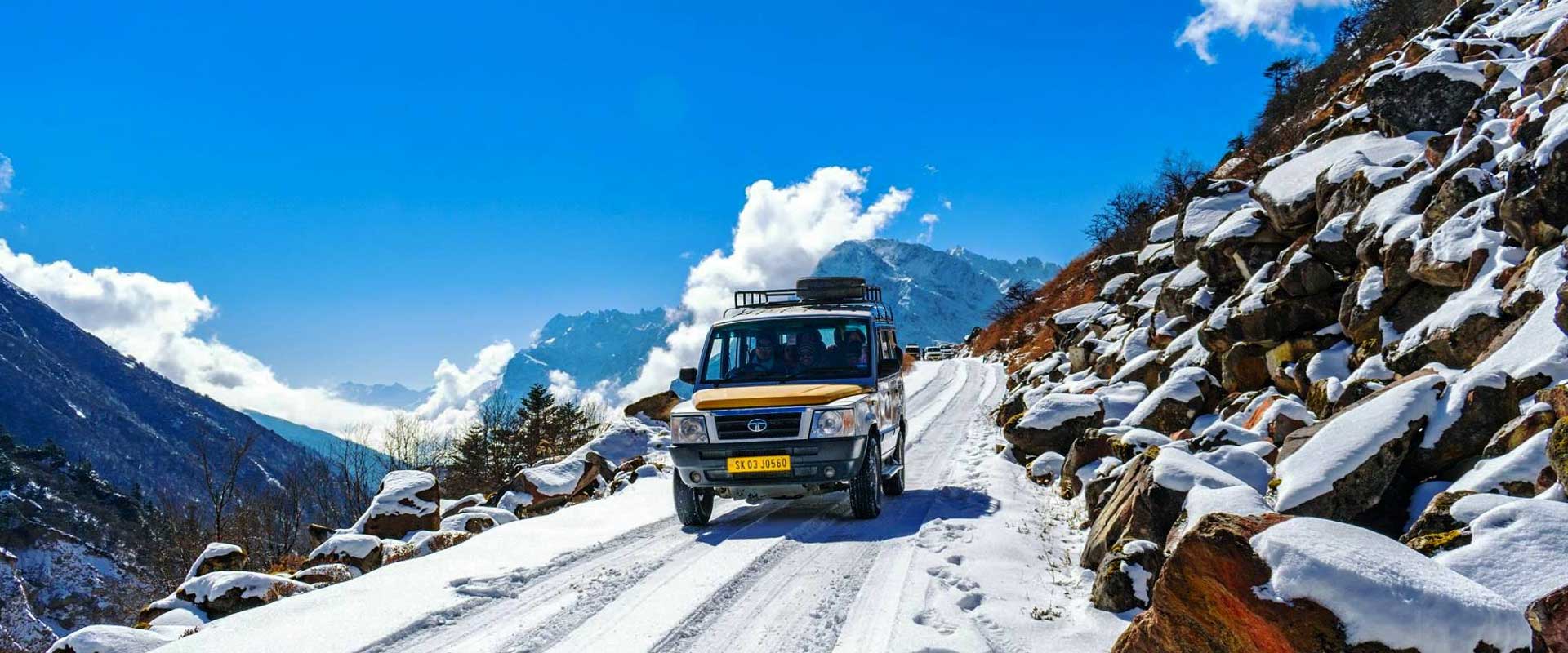
Lachung is reached exclusively via Gangtok, following the North Sikkim Highway through Phodong, Mangan and Chungthang. The journey typically takes six to seven hours, though road conditions can significantly affect travel time. Landslides during the monsoon and snow closures in winter are routine challenges.
Public transport options are extremely limited. Most travellers reach Lachung using authorised tourist vehicles, either two-wheelers or four-wheelers, all of which must carry valid permits.
Permits and Travel Regulations
Indian travellers require a Restricted Area Permit (RAP), while international travellers must obtain a Protected Area Permit (PAP) to visit North Sikkim. Permits are route-specific and vehicle-specific, making independent travel complex. Most travellers rely on tour operators like us to handle documentation and logistics, ensuring compliance with evolving regulations.
Suggested Lachung Itineraries
Most visits to Lachung involve one or two nights. A one-night itinerary, though popular, is physically demanding and often rushed. A two-night stay allows better acclimatisation and a more relaxed sightseeing schedule. The classic Lachen–Lachung circuit, combining Gurudongmar Lake and Yumthang Valley over three days, remains the most comprehensive North Sikkim experience when weather conditions allow.
Weather and Seasonal Conditions in Lachung
Lachung experiences extreme seasonal variation. Summer temperatures generally range between 12°C and 20°C, making it ideal for sightseeing. Winter temperatures frequently fall below freezing, with heavy snowfall affecting accessibility.
Spring brings floral abundance, while autumn offers clear skies and excellent visibility. Monsoon months bring landslides and unpredictable road conditions, and are best avoided unless necessary.
Best Time to Visit Lachung
Spring, from March to mid-June, remains the most popular period due to blooming rhododendrons and stable weather. Autumn, between September and November, offers crisp air and stunning mountain views. Winter appeals to snow lovers but demands flexibility. Monsoon travel is generally discouraged.
Frequently Asked Questions About Lachung
Is Lachung suitable for elderly travellers? With proper acclimatisation and a relaxed itinerary, yes, though rushed tours should be avoided.
Can Lachung be visited independently without a tour operator? Technically possible but logistically challenging due to permits and transport restrictions.
Is mobile connectivity available? Connectivity is limited and inconsistent, with basic networks functioning intermittently.
How many days are ideal for Lachung? Two nights provide a balanced experience without fatigue.
Plan Your Lachung Tour with Local Experts
North Sikkim is not a destination to approach casually. Weather, permits, road conditions and altitude demand experience-driven planning. NBTT Travel Solution Private Limited (NBTT) specialises in carefully curated Lachung tour packages, covering hotels, sightseeing, permits and ground logistics with an on-ground understanding that only years of regional experience provide.
For customised itineraries, current road updates and reliable accommodation options, speak directly with our team at +91 97333 00696. Let experienced professionals handle the complexities, so you can focus on experiencing Lachung at its unhurried, Himalayan best.
Darjeeling Gangtok Lachung Experience Tour
Gangtok (2+1 Nights), Lachung (1 Night), Darjeeling (2 Nights)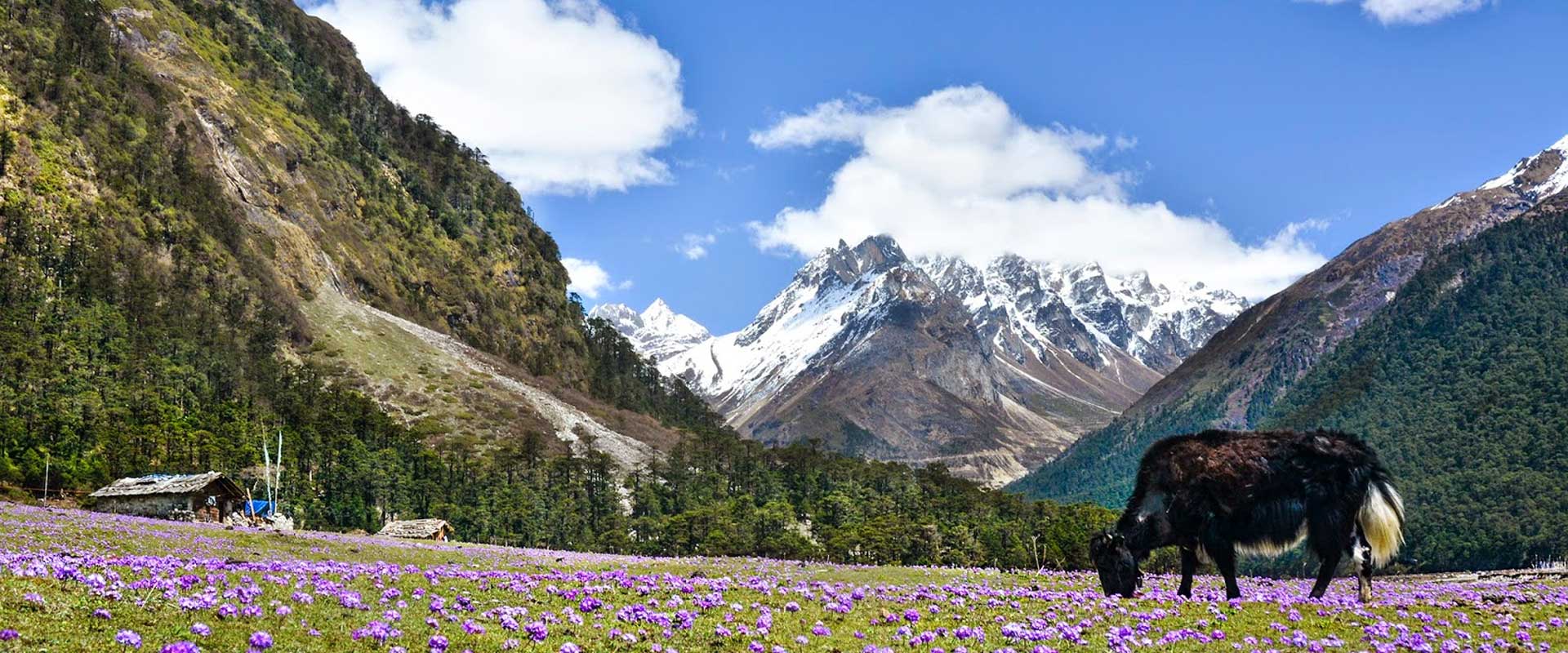
Gangtok Lachung Darjeeling Tour Plan
Gangtok (2+1 Nights), Lachung (2 Nights), Darjeeling (2 Nights)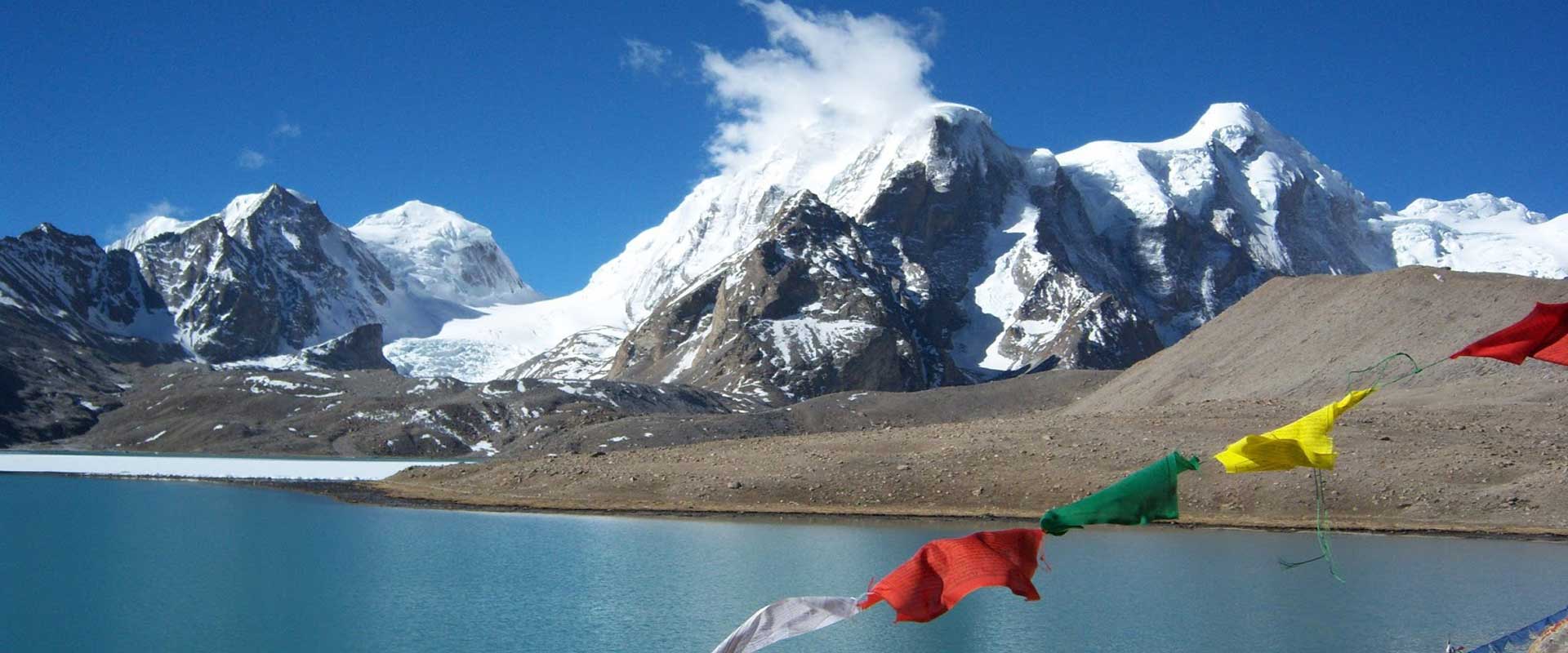
Sikkim Darjeeling Himalayan Package Tour
Gangtok (2+1 Nights), Lachen (1 Night), Lachung (2 Nights), Darjeeling (2 Nights)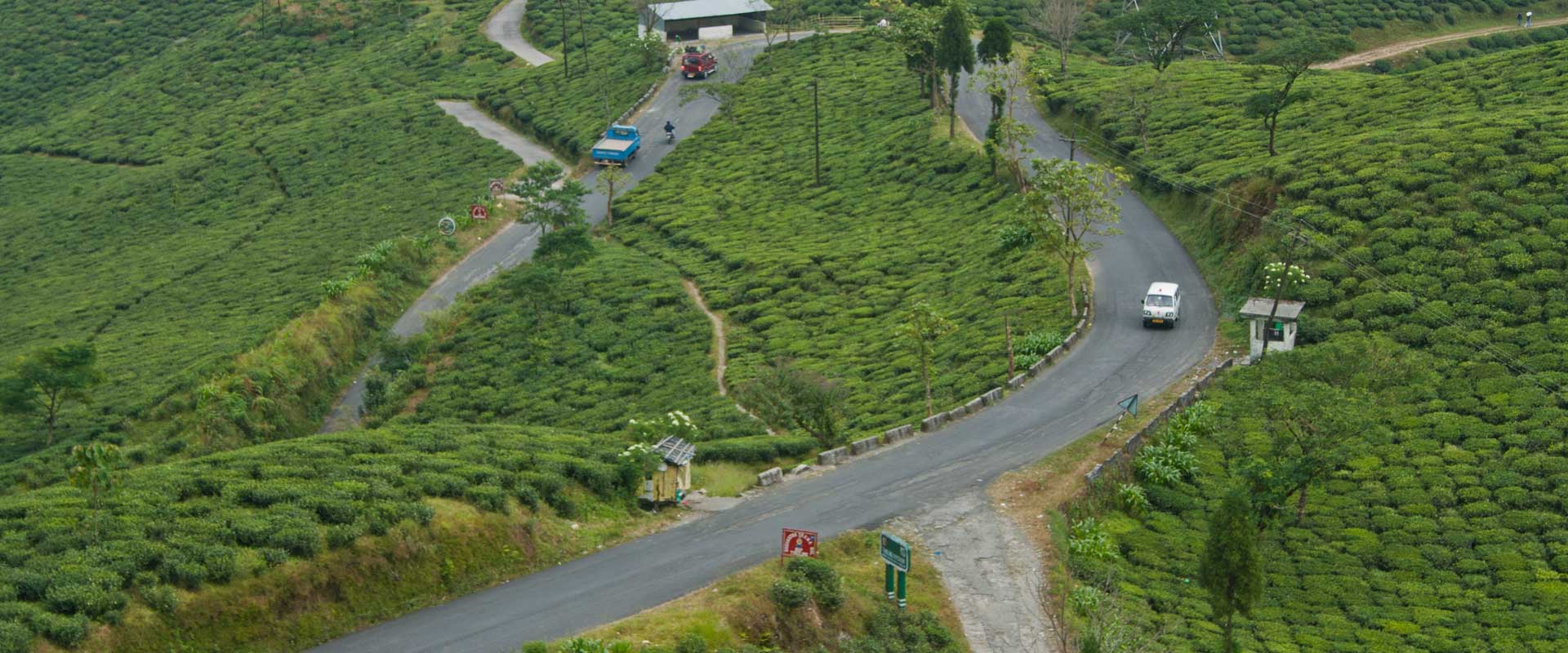
Gangtok Darjeeling North Sikkim Tour
Gangtok (2+2 Nights), Lachen (1 Night), Lachung (2 Nights), Darjeeling (3 Nights)
East Himalaya
-
Address:NBTT Travel Solution Private Limited, 19, MN Sarkar Road, Sevoke More Siliguri, State : West Bengal, Country : India. PIN : 734001
-
Call Us at:
+91-9733300696 -
Mail Us:
info@east-himalaya.com
