
Sikkim 
Sikkim Travel Guide – Explore the Himalayan Jewel
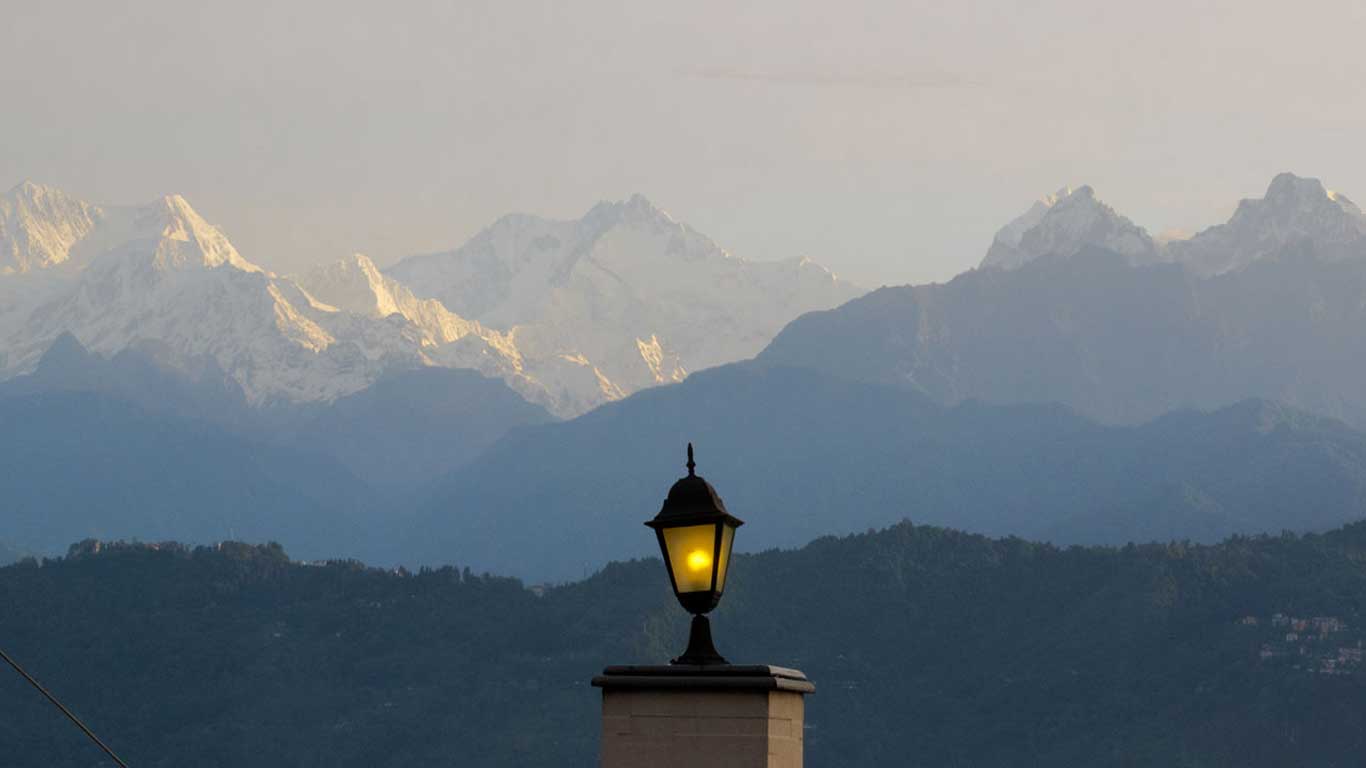
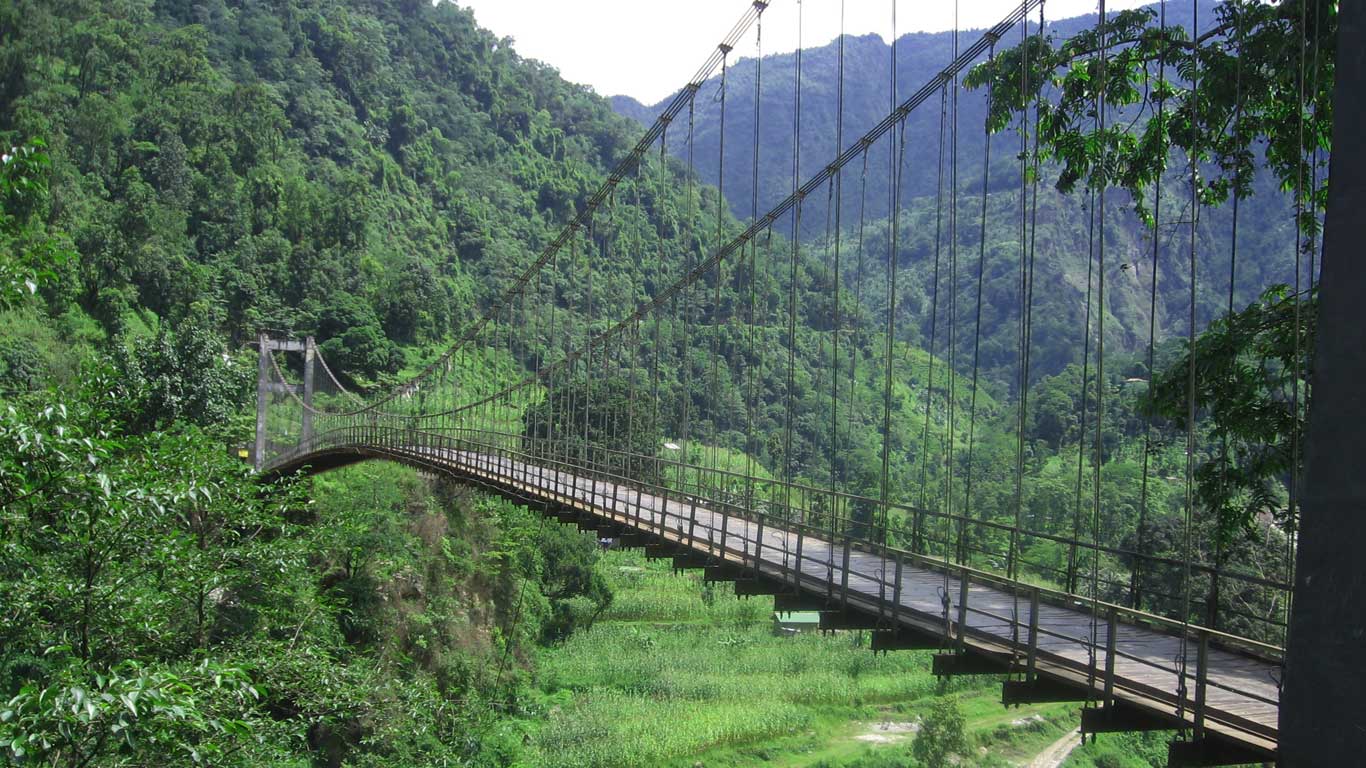
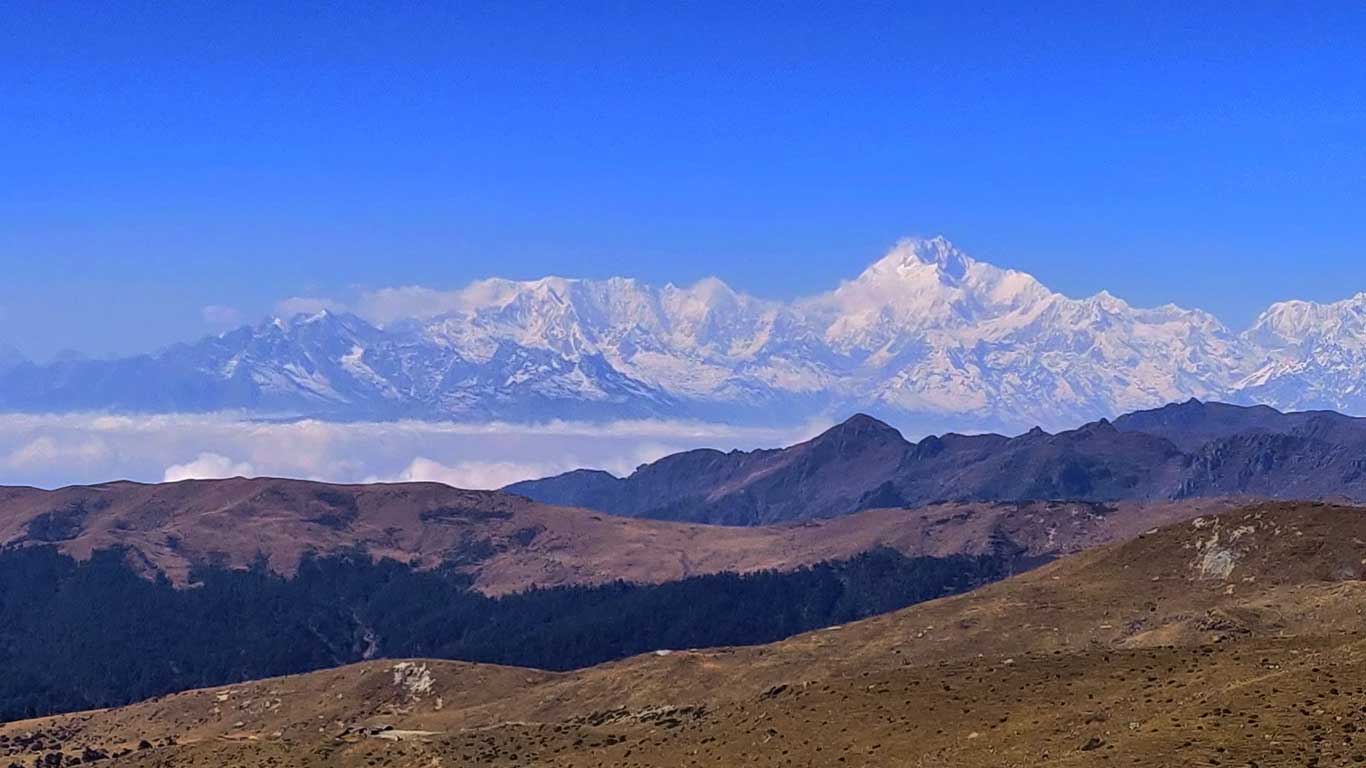
Nestled in the northeastern Himalayas, Sikkim is one of India’s smallest yet most enchanting states, bordered by Tibet in the north, Nepal in the west, Bhutan in the east, and West Bengal in the south. Despite its compact size and a population of just over 6 lakh, Sikkim attracts more tourists annually than its resident population, thanks to its breathtaking landscapes, rich biodiversity, and vibrant culture. Dominated by Kanchenjunga, the third-highest peak in the world at 8,586 metres, Sikkim offers an incredible variety of experiences ranging from serene monasteries to adrenaline-fuelled treks, making it a paradise for travellers of all kinds.
Renowned for its peaceful atmosphere, simplicity, and hospitality, Sikkim blends natural beauty with a diverse cultural heritage. It is home to Lepchas, Bhutias, and Nepali communities, each contributing to the state’s rich mosaic of festivals, rituals, and cuisines. The state’s eco-conscious policies, including being the first fully organic state in India, add another layer to its allure.
Tourism in Sikkim
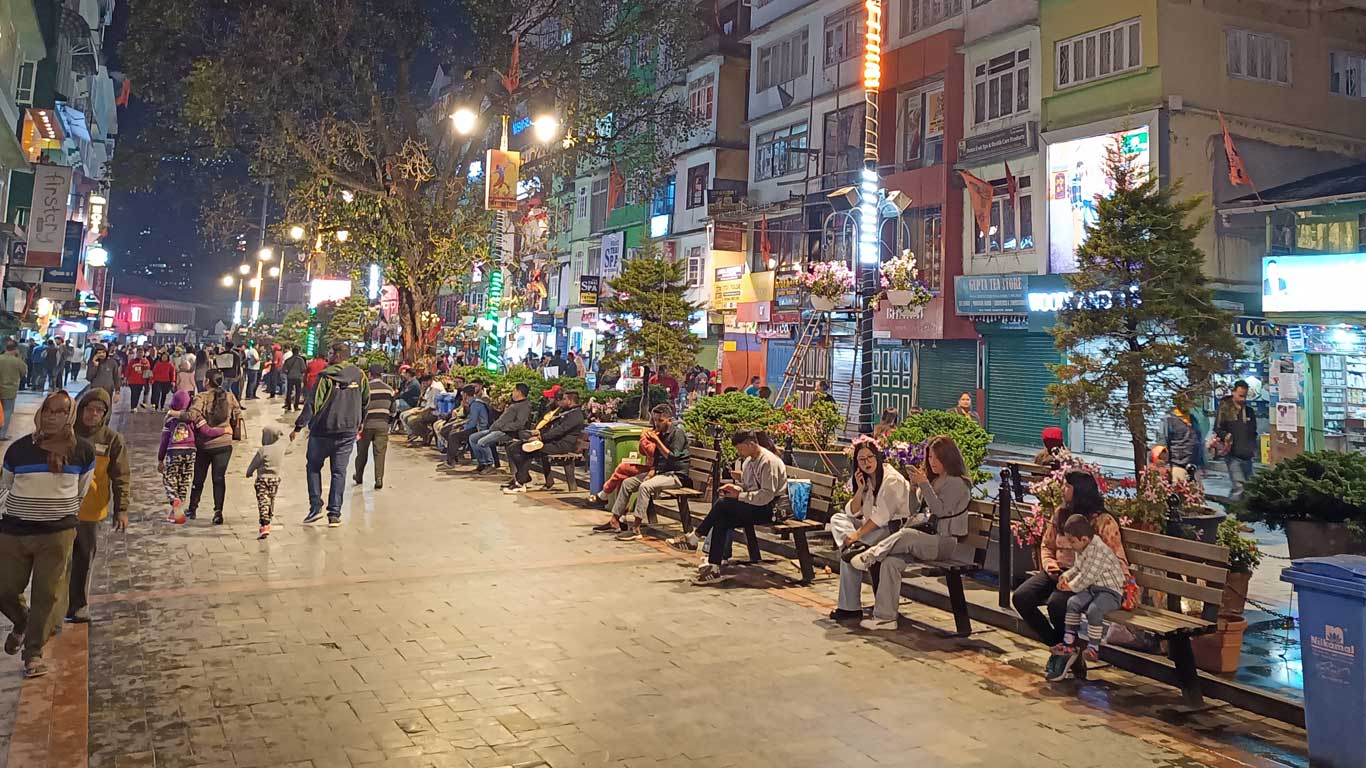
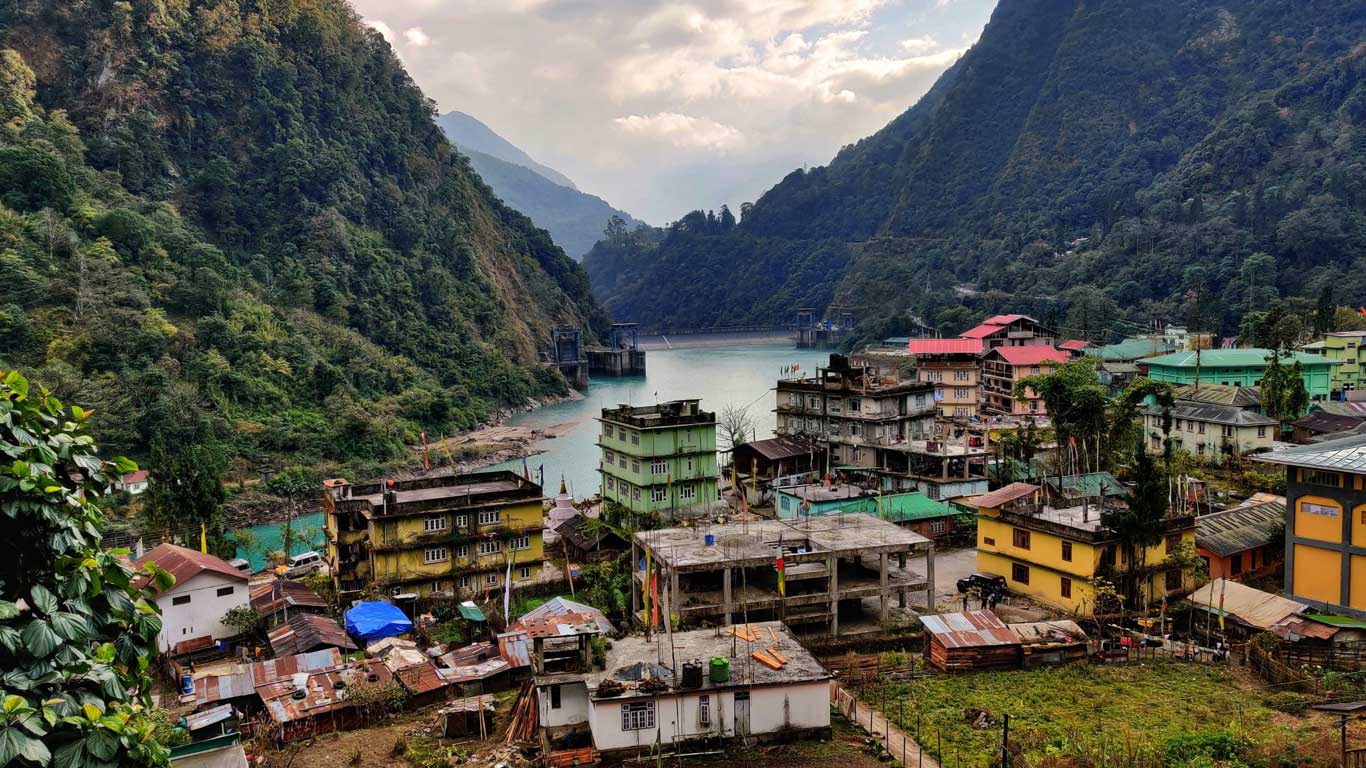
Sikkim has witnessed a tourism boom over the last two decades, evolving from a little-known Himalayan destination to one of India’s most sought-after travel hotspots. While Gangtok, the capital, remains the most frequented destination, the offbeat corners of North, East, West, and South Sikkim offer serene lakes, alpine valleys, ancient monasteries, and high-altitude trekking opportunities. Tourists today can combine sightseeing, adventure treks, nature tours, and cultural exploration in a single itinerary.
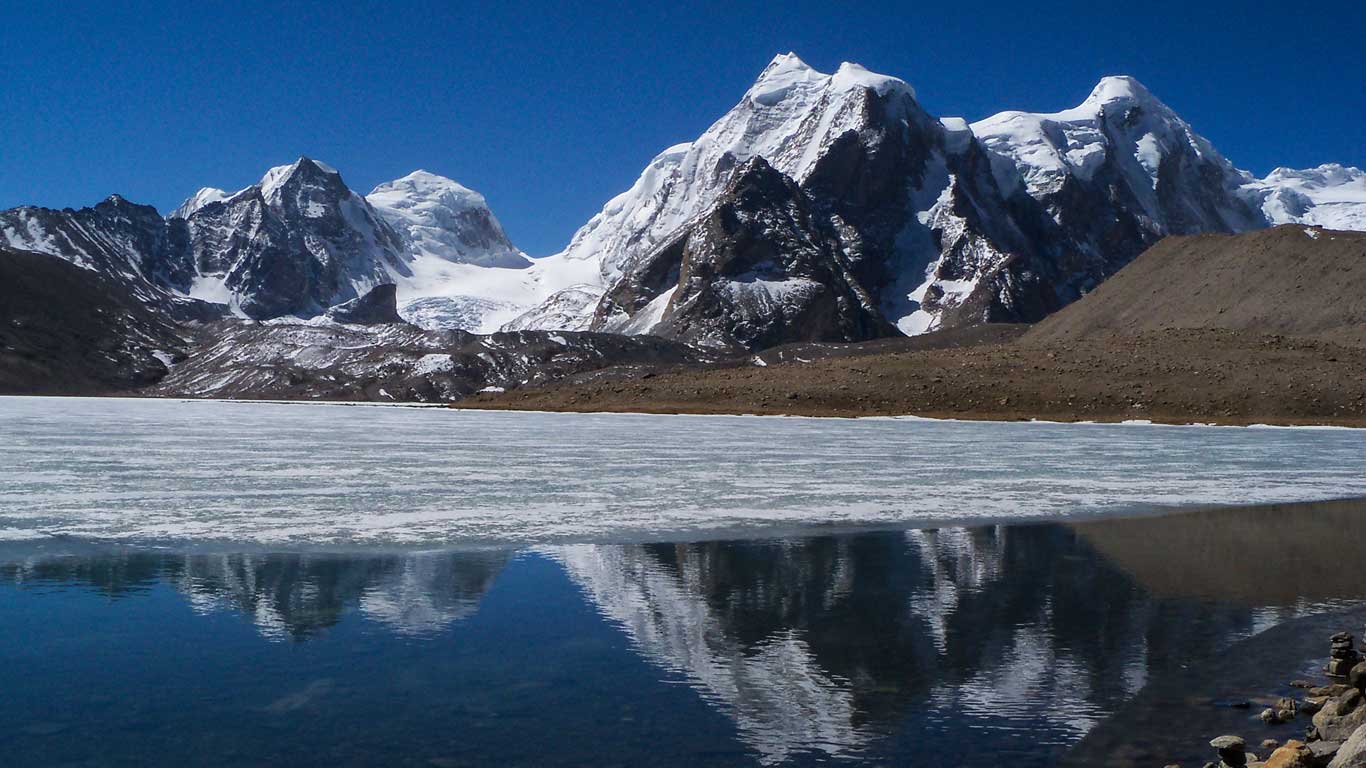
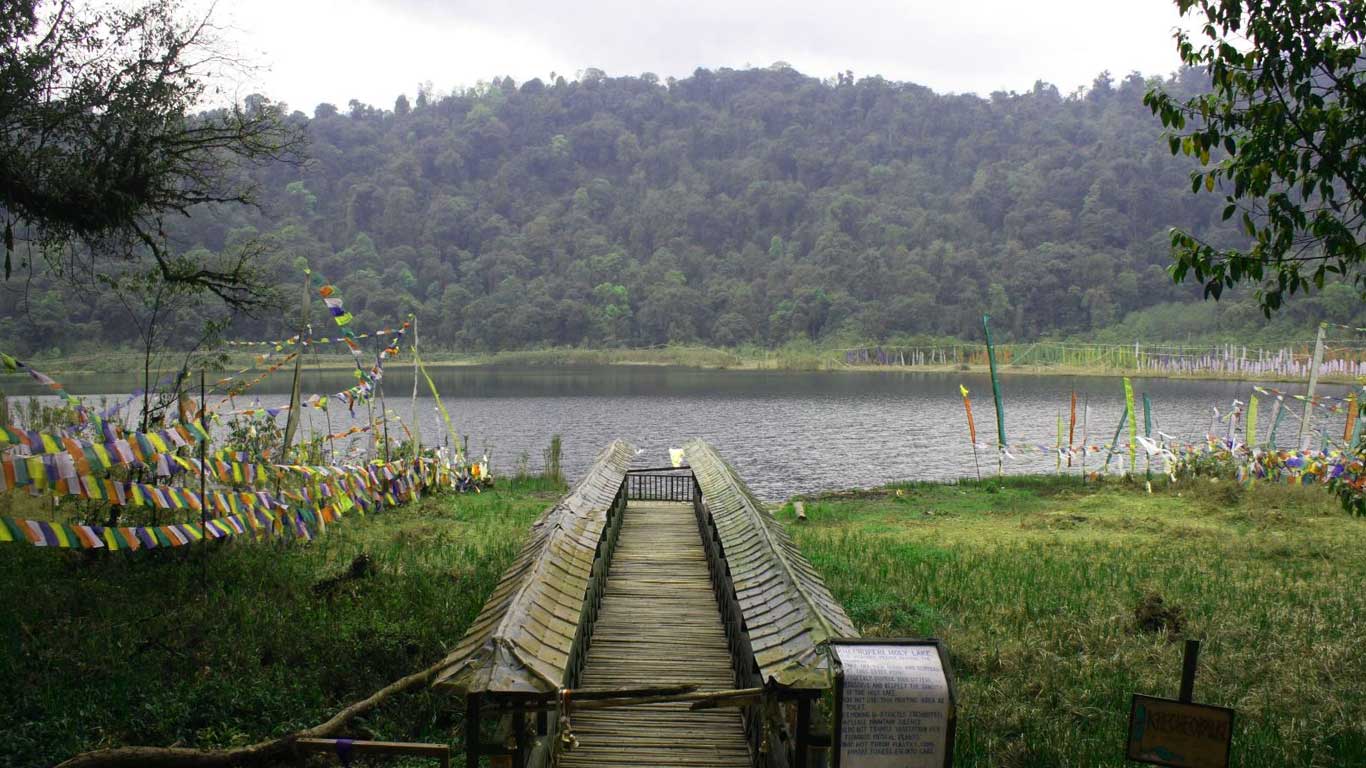
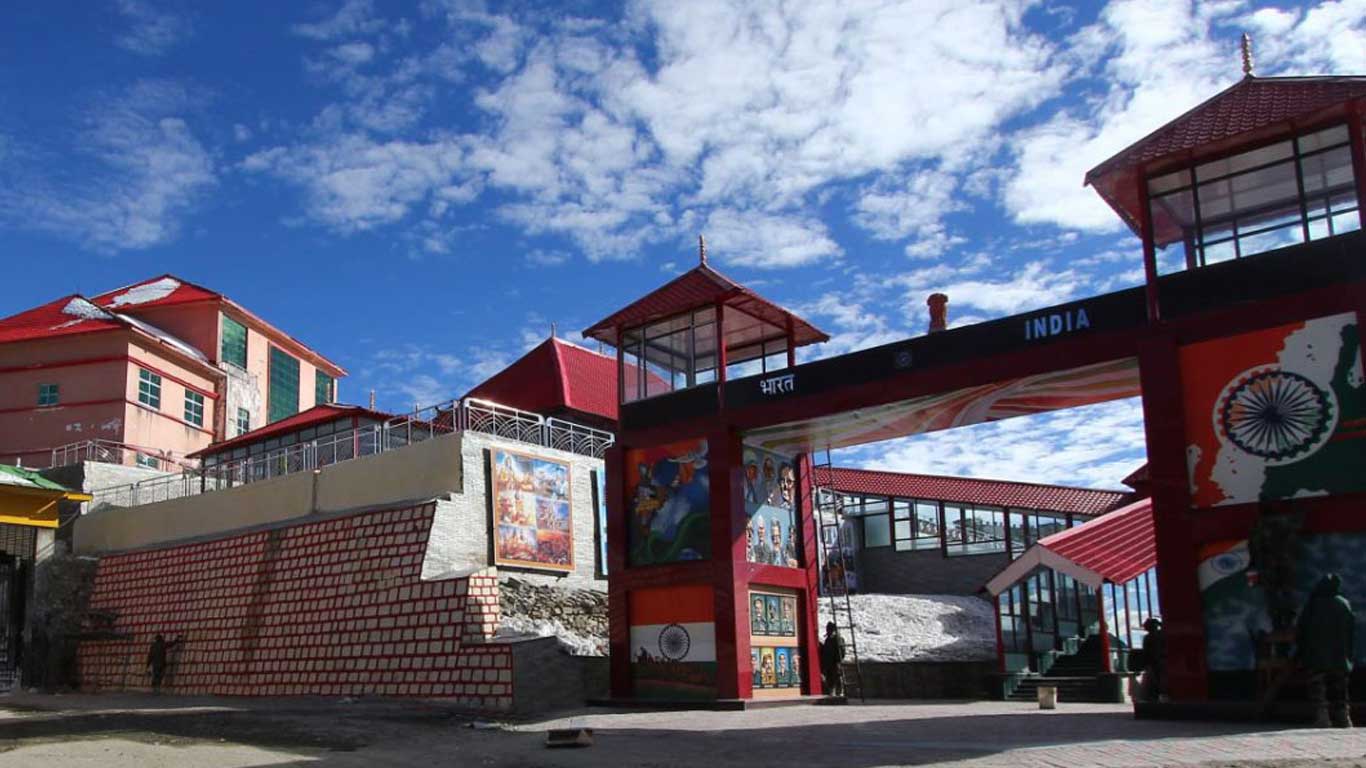
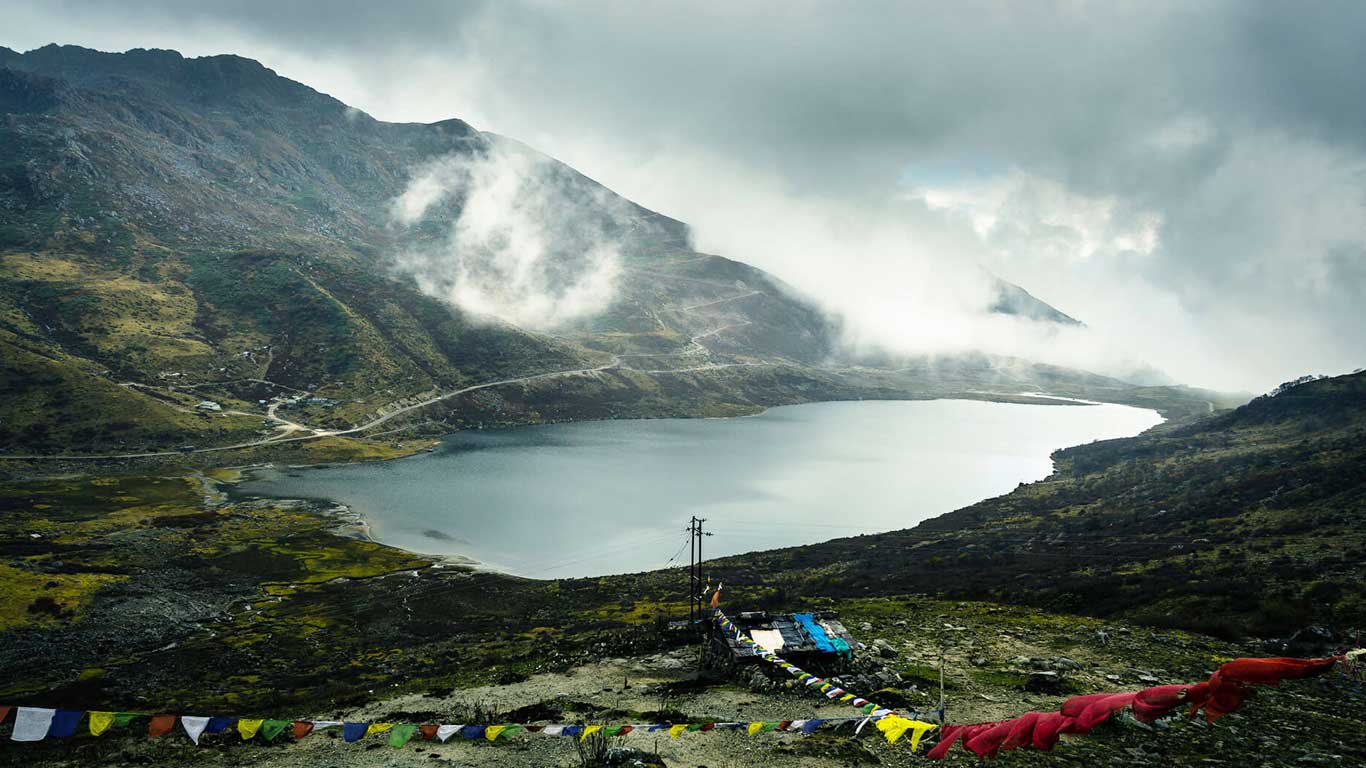
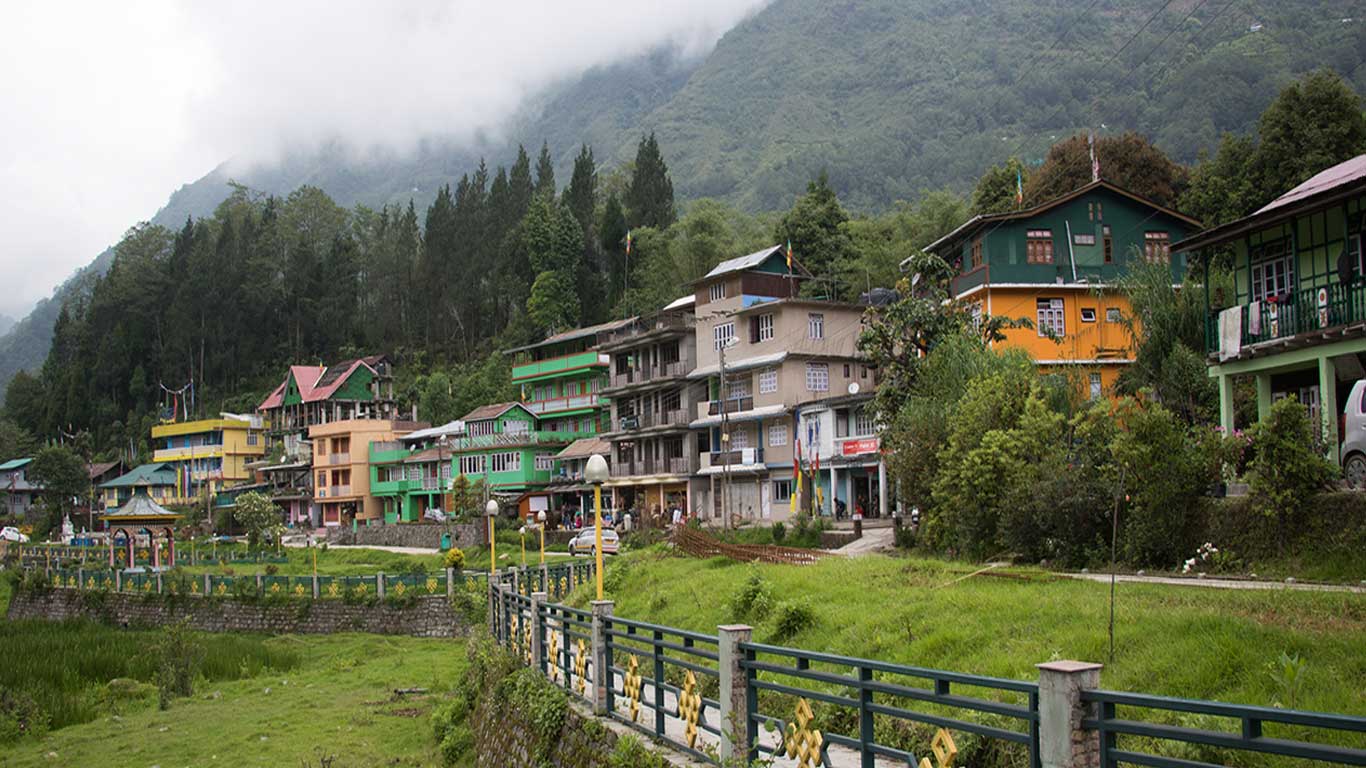
Popular destinations include: Gangtok, Pelling, Yuksom, Lachen, Lachung, Yumthang Valley, Gurudongmar Lake, Tsomgo (Changu) Lake, Nathula Pass, and Ravangla. Each region has its unique charm, blending spiritual heritage, natural beauty, and local lifestyles.
Getting There
By Air: The nearest airport is Bagdogra, approximately 120 km from Gangtok. Regular flights connect Bagdogra to major Indian cities, including Delhi, Kolkata, and Bengaluru.
By Rail: New Jalpaiguri (NJP) station, about 115 km from Gangtok, is the primary railhead for Sikkim. Most trains from the Northeast pass through NJP.
By Road: Siliguri, located about 110 km from Gangtok, is the main junction connecting road, rail, and air travellers. From Siliguri, private taxis, buses, and tour vans can be arranged for travel across Sikkim.
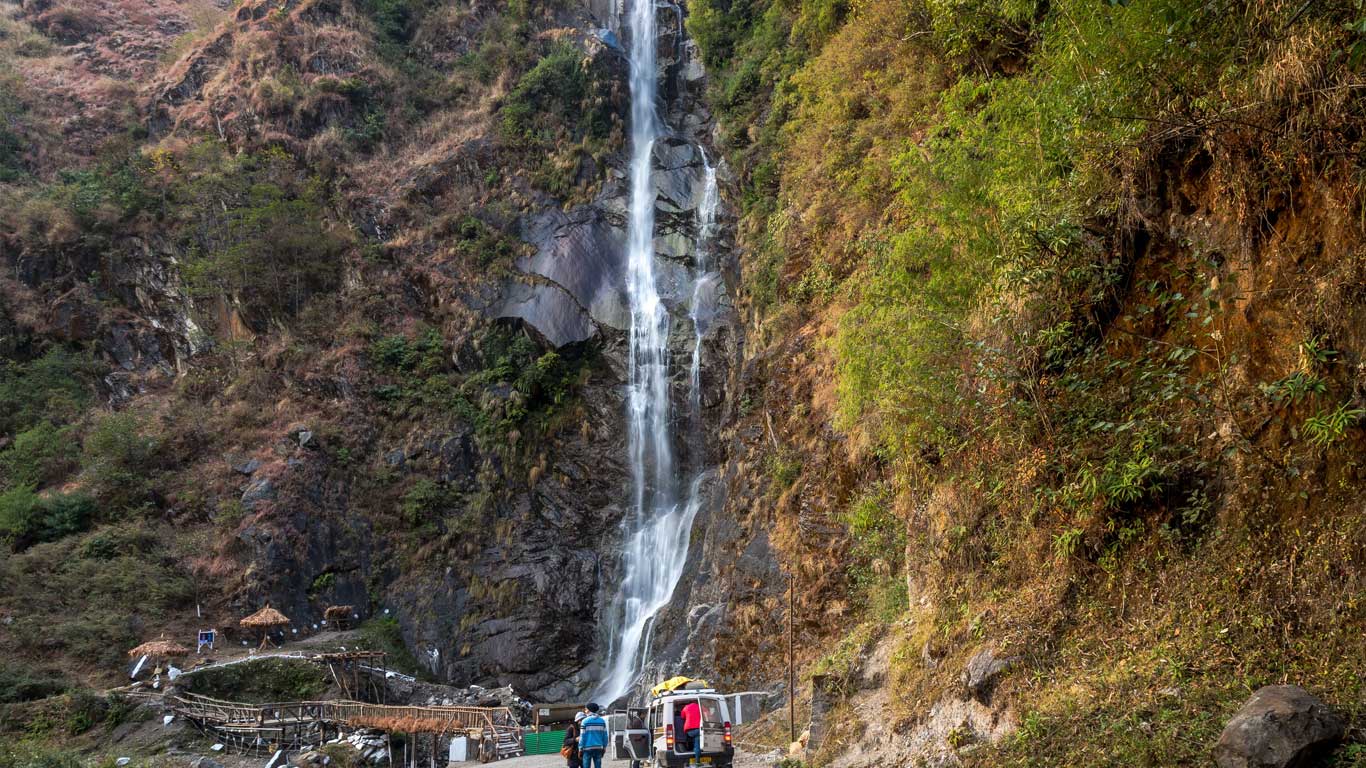
Entry Points: Tourists typically enter through Rangpo (East and North Sikkim, including Gangtok) or Malli (South and West Sikkim). The roads from these entry points offer glimpses of waterfalls, forests, and scenic valleys, providing a prelude to the Himalayan landscapes that await.
Permits and Entry Rules
Sikkim is unique in its permit system, designed to preserve its ecology and border security:
Indian Citizens: While Indian tourists do not require a general permit, certain areas are classified as Restricted Areas, requiring an Inner Line Permit (ILP). Restricted destinations include Nathula, Tsomgo Lake, Zuluk, Memenchu area in East Sikkim, Dzongri and Goechala treks in West Sikkim, and parts of North Sikkim.
Foreign Nationals: International travellers require a Restricted Area Permit (RAP), issued for 15 days initially, extendable in two spells of 15 days each. Permits are obtained at Siliguri, Rangpo, or Malli, or through authorised travel agencies such as NBTT Travel Solution Private Limited. Foreign visitors must carry a passport, a visa, and photographs, and typically travel in groups of two or more with a recognised Indian guide.
Special restrictions apply to sensitive areas such as Gurudongmar Lake, Dzongri, and Nathula Pass, and visitors are advised to coordinate with experts for permit guidance and real-time road conditions, especially during monsoon or snowfall.
Tourist Destinations
Gangtok: Perched on a ridge, Gangtok offers spectacular views of Kanchenjunga and serves as the main hub for exploring East and North Sikkim. With 2–3 days in the city, tourists can visit monasteries, markets, and viewpoints, as well as plan trips to Tsomgo Lake, Nathula Pass, and Kyongnosla Alpine Sanctuary.
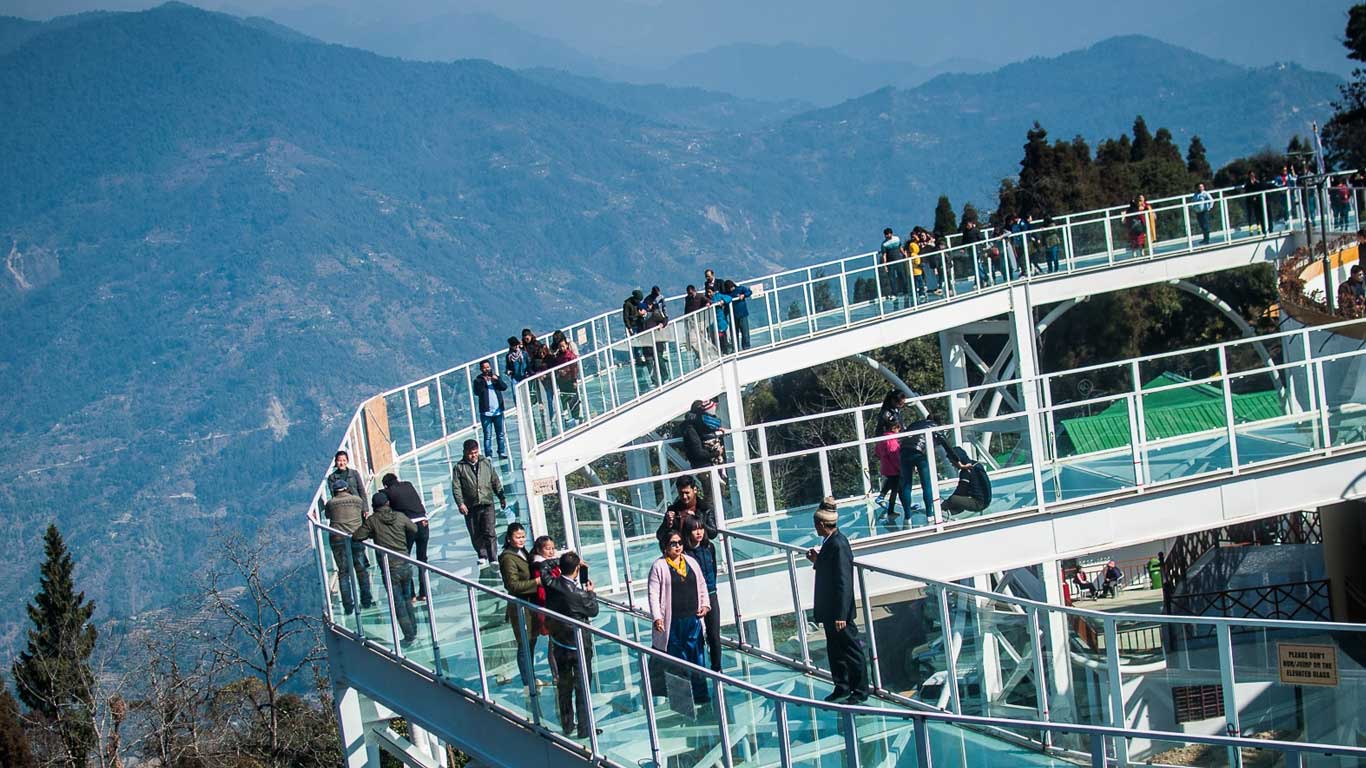
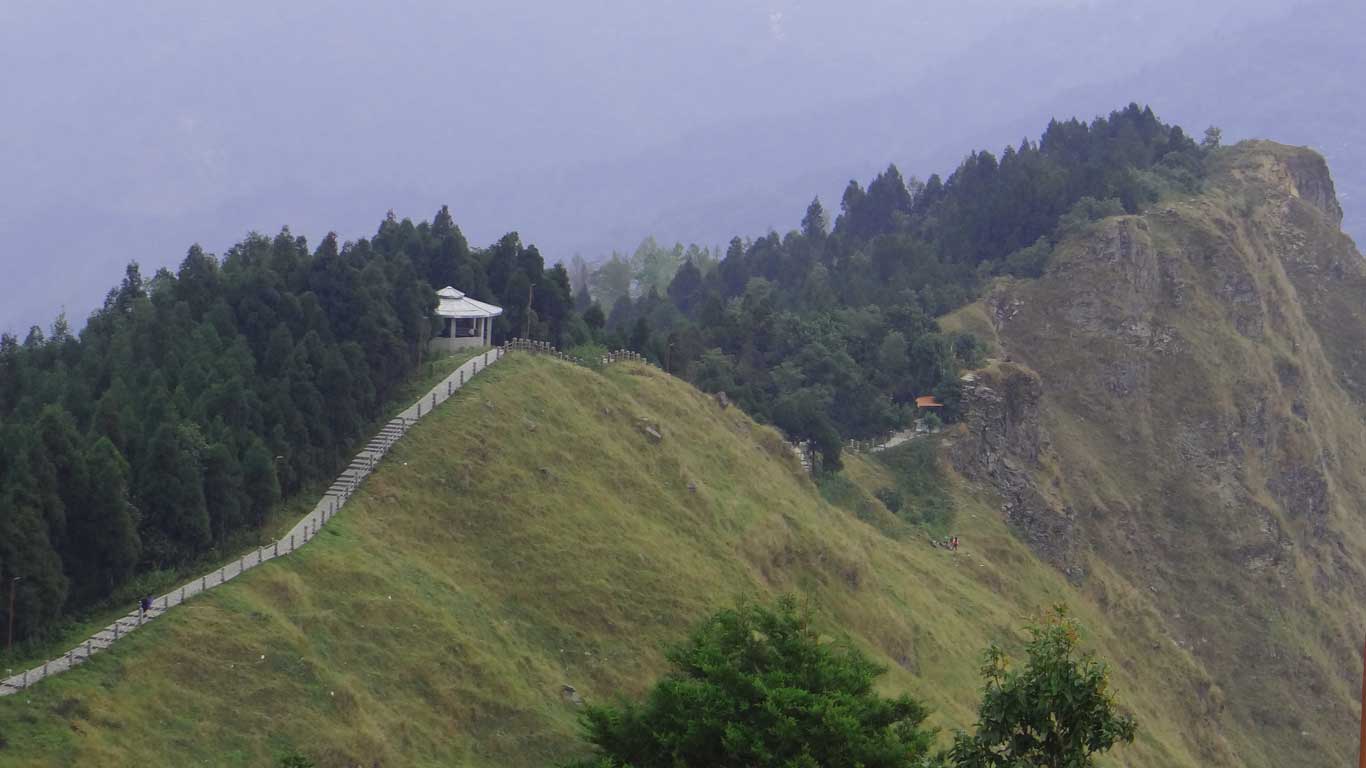
Pelling: The former capital of Sikkim, Pelling offers panoramic views of Kanchenjunga, historic ruins of Rabdentse, and easy access to Varsey Rhododendron Sanctuary, Yuksom, and Dzongri treks.
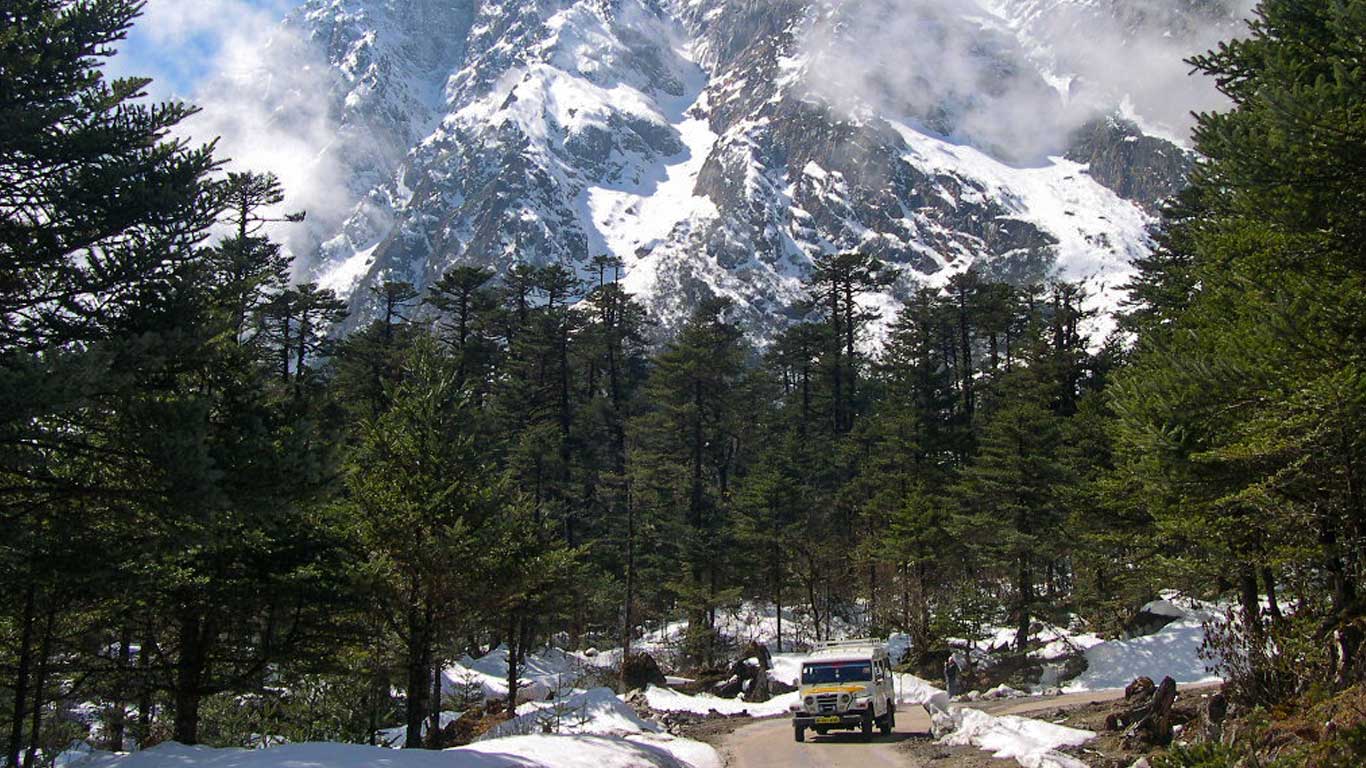
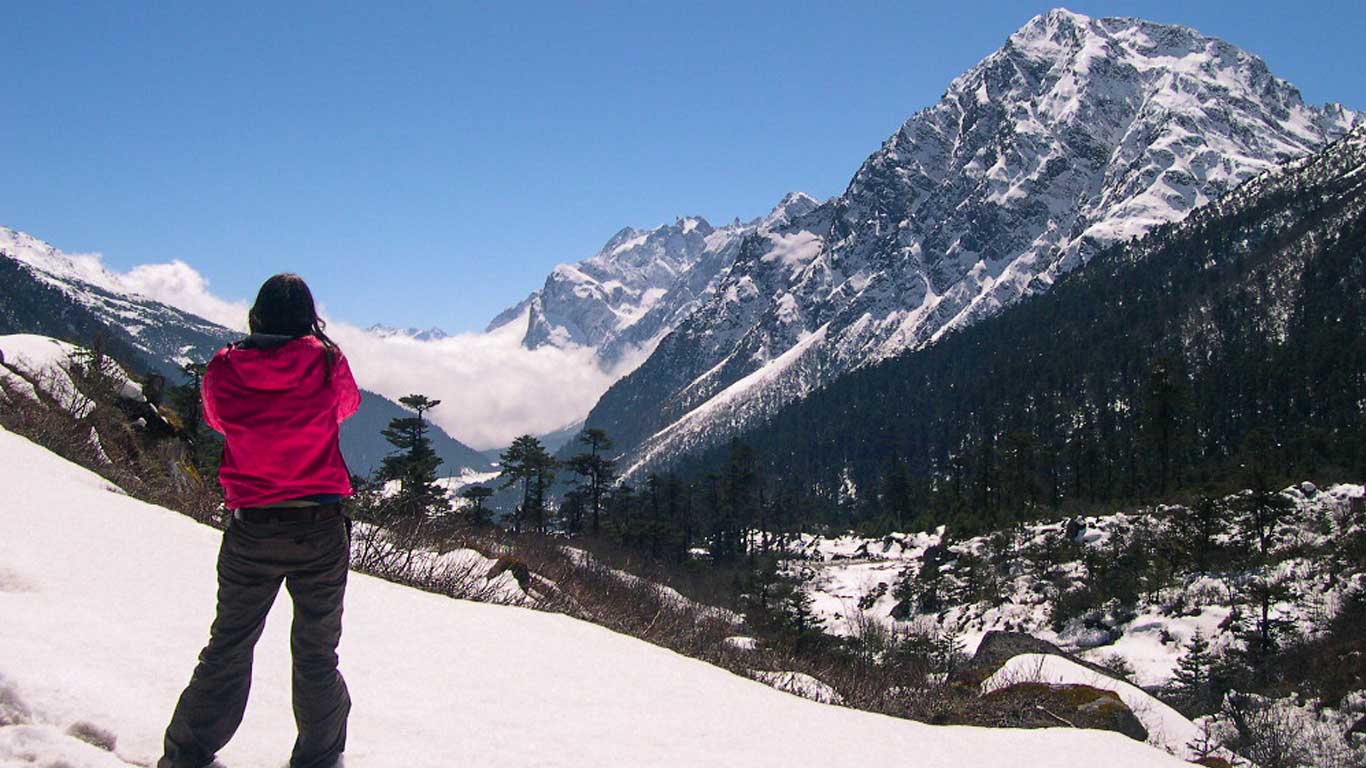
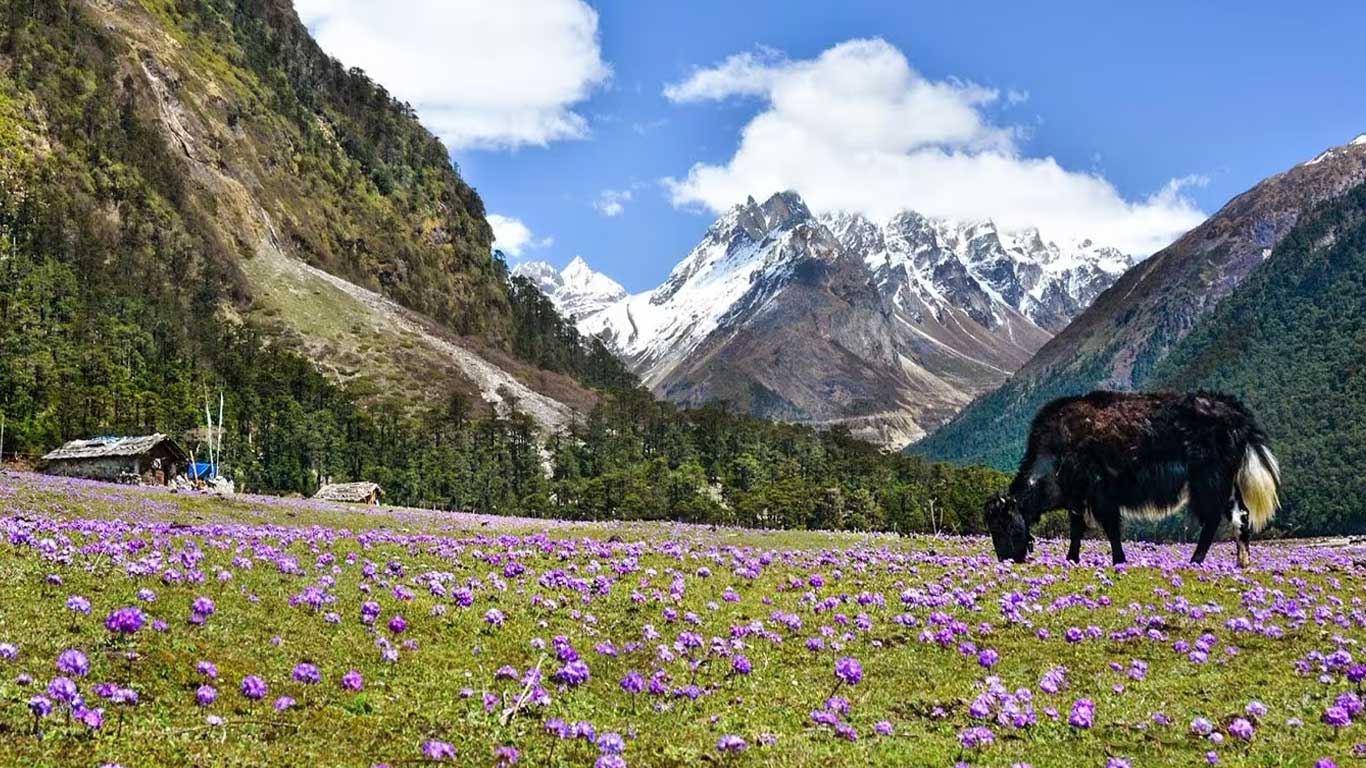
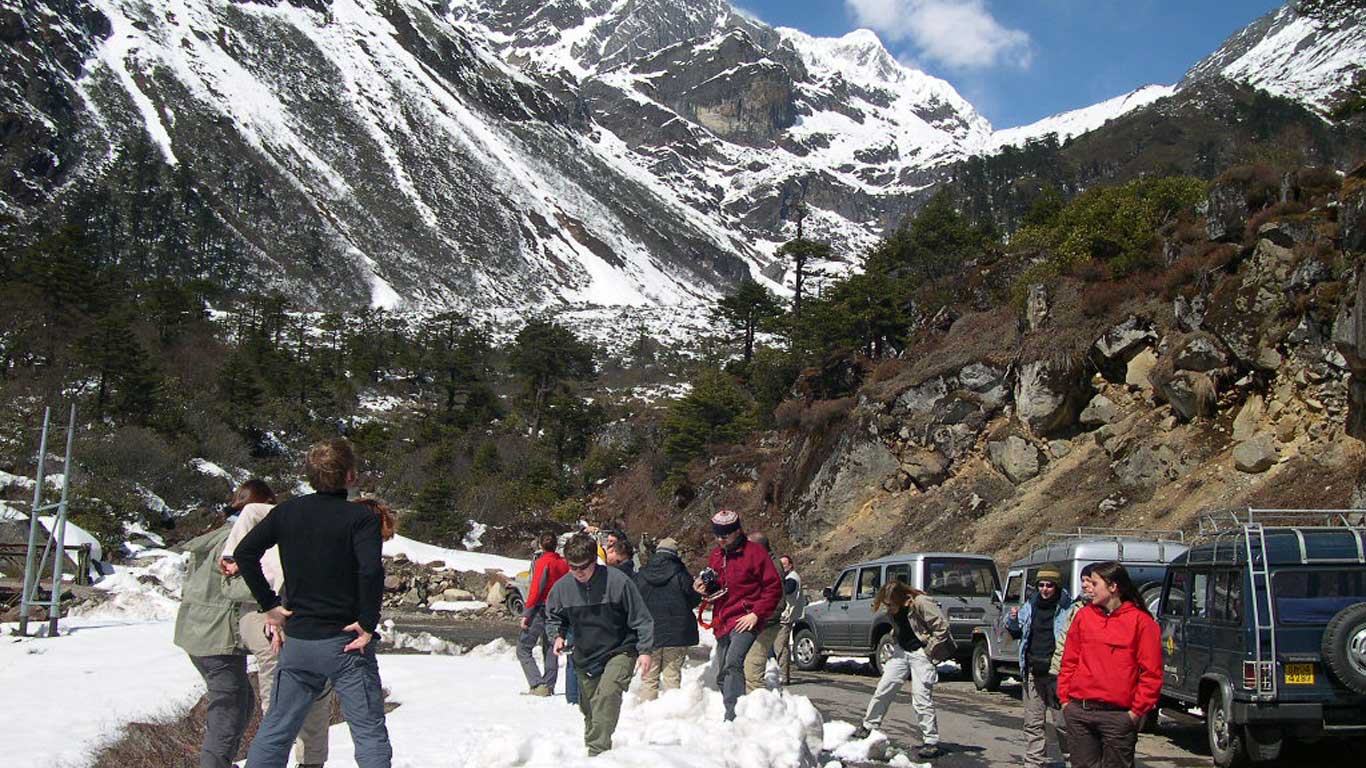
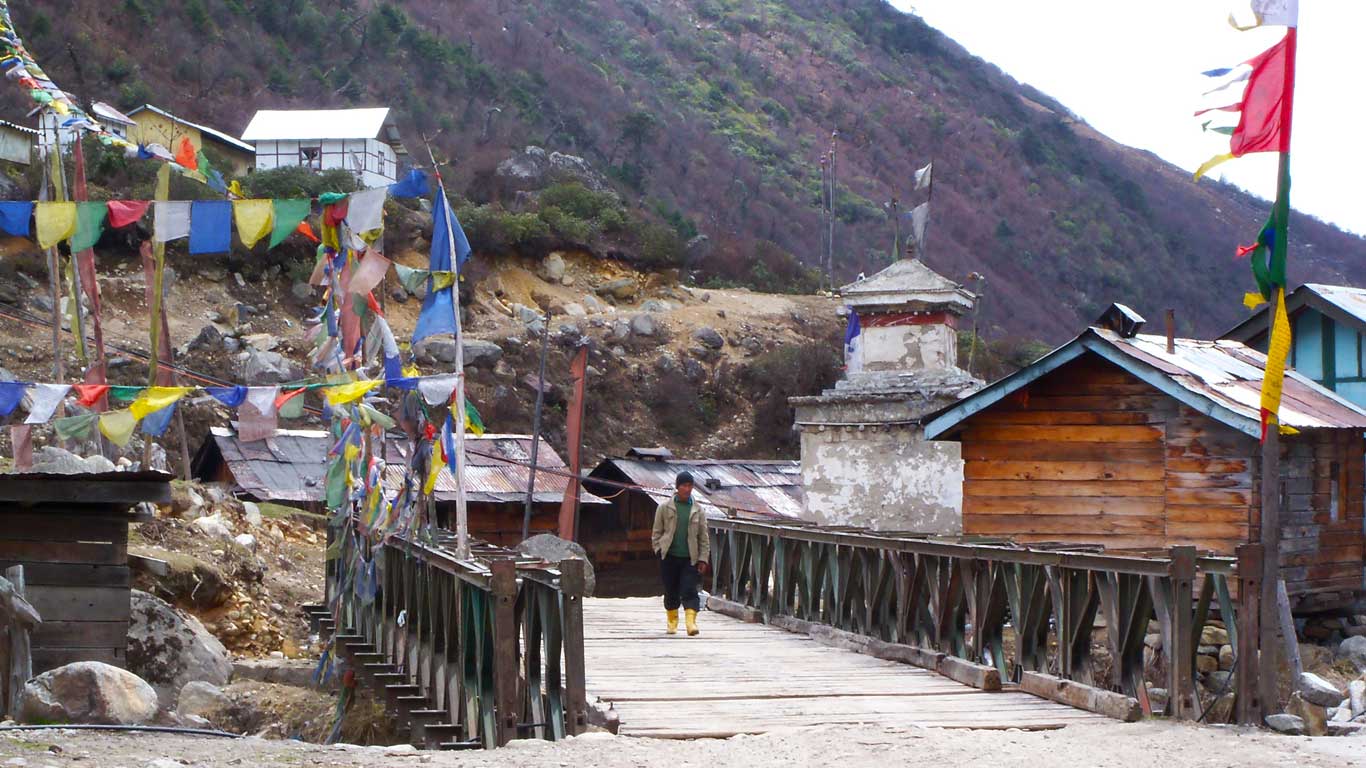
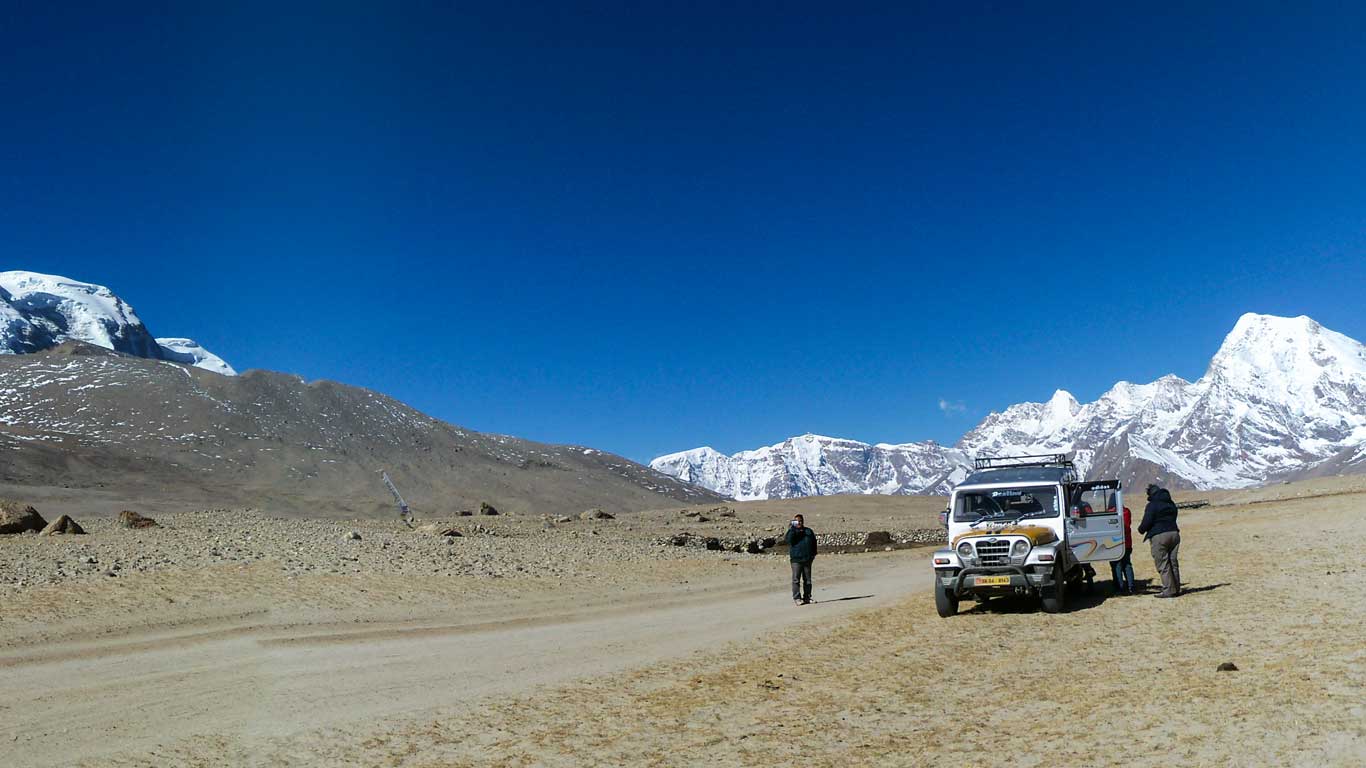
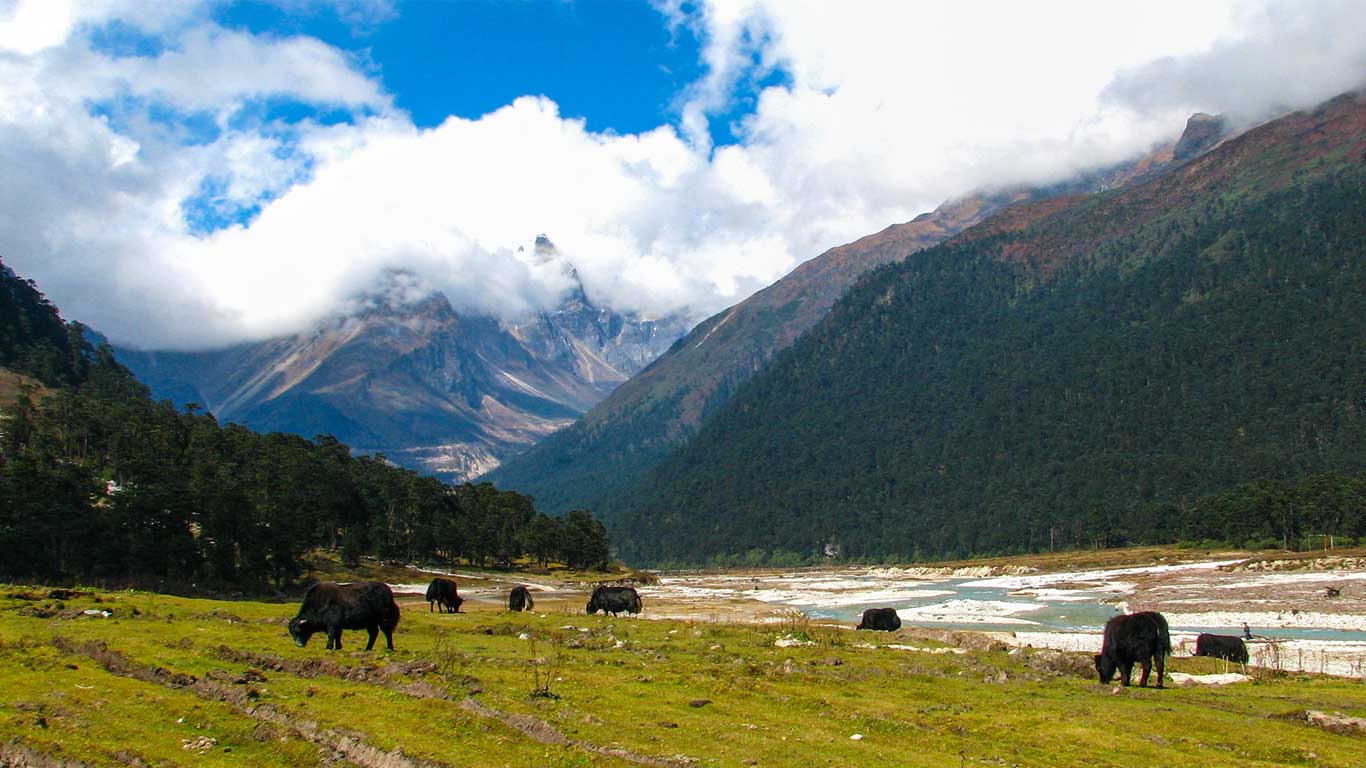
North Sikkim: Known for its pristine alpine valleys, Lachen and Lachung are the main bases for Gurudongmar Lake and Yumthang Valley, offering some of the highest and most spectacular treks in India.
West Sikkim: Home to treks, rhododendron sanctuaries, and historical sites, this region also includes the scenic hamlets of Yuksom, Rinchenpong, and Dzongri.
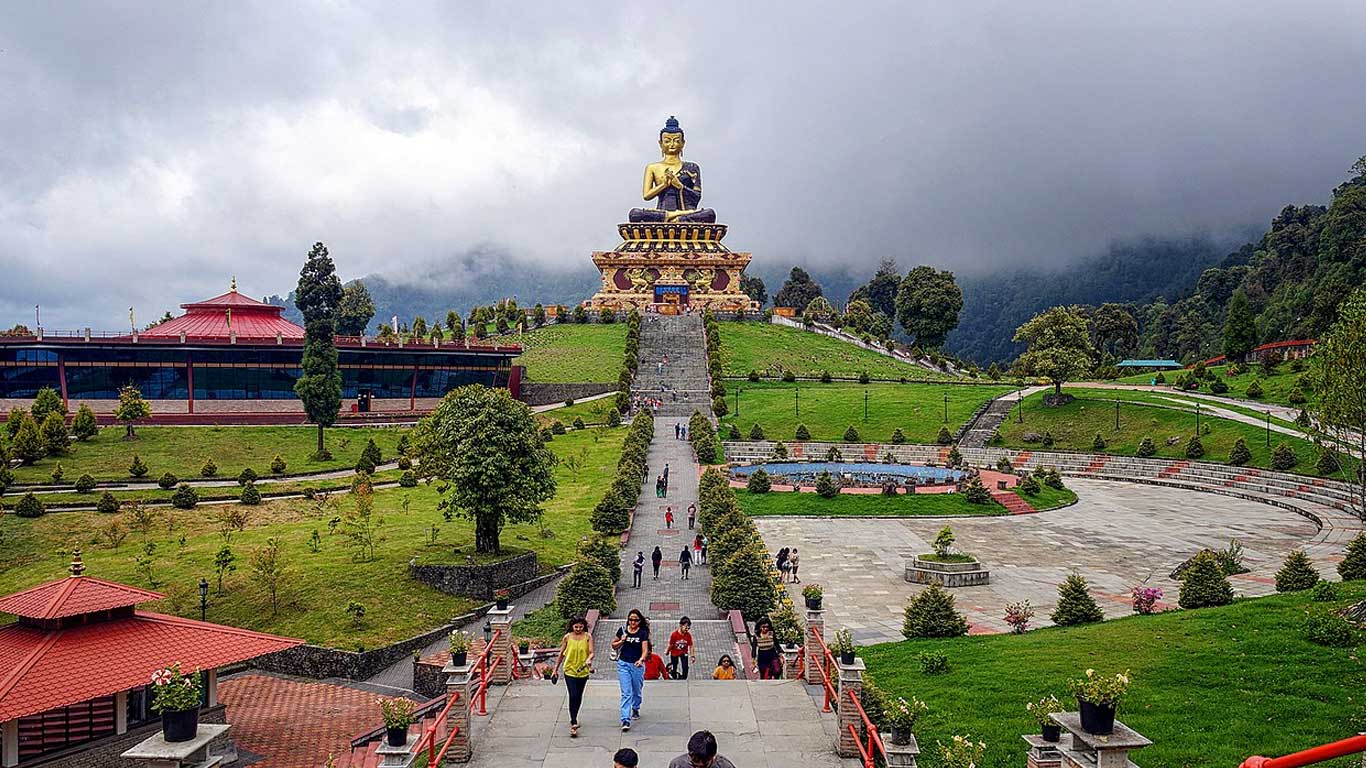
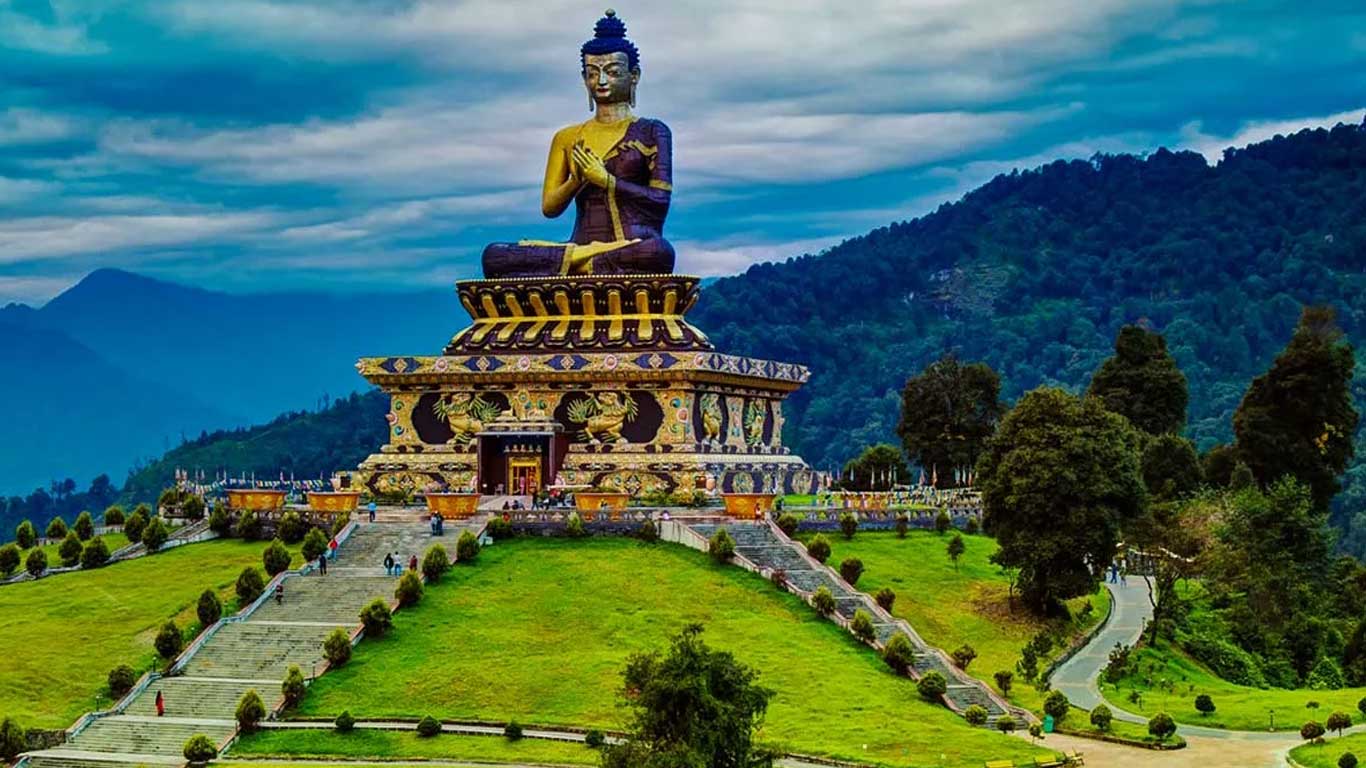
South Sikkim: Lower altitudes, green hills, and the Samdruptse Monastery, Char Dham, and Ravangla attract tourists looking for spiritual experiences and moderate trekking opportunities.
Sikkim’s offbeat trails, high-altitude lakes, waterfalls, and wildlife sanctuaries make it impossible not to be awed by its sharp, lush hills, leaping rivers, and serene landscapes.
Nature and Wildlife Tourism
Sikkim is rich in flora and fauna, making it ideal for nature-based tourism:
-
Over 450 orchid varieties, 600 butterfly species, and 500 bird species, including the red panda and Himalayan black bear, inhabit the state.
-
Kanchenjunga National Park, spanning 850 sq. km, is a UNESCO World Heritage site and a haven for wildlife enthusiasts.
-
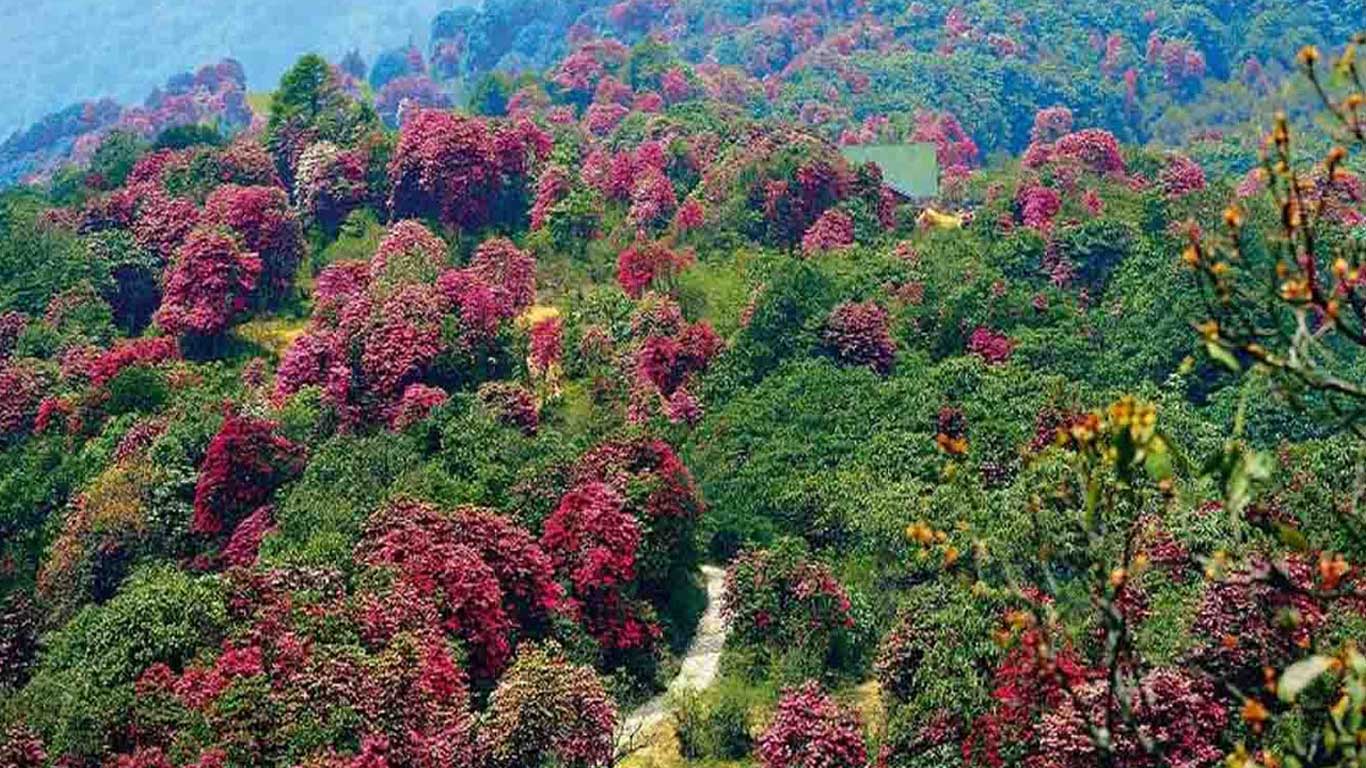
Kyongnosla Alpine Sanctuary, Maenam Wildlife Sanctuary, Shingba Rhododendron Sanctuary, and Varsey Rhododendron Sanctuary offer short treks, birdwatching, and guided nature tours. Trekkers’ huts and eco-lodges are available in select sanctuaries.
Ornithology and eco-tourism are gaining prominence, and guided tours ensure minimal environmental impact while providing immersive experiences.
History and Culture
Sikkim remained an independent kingdom until 1975, joining India in the same year. Despite modern integration, Sikkim maintains special privileges and a strong cultural identity.
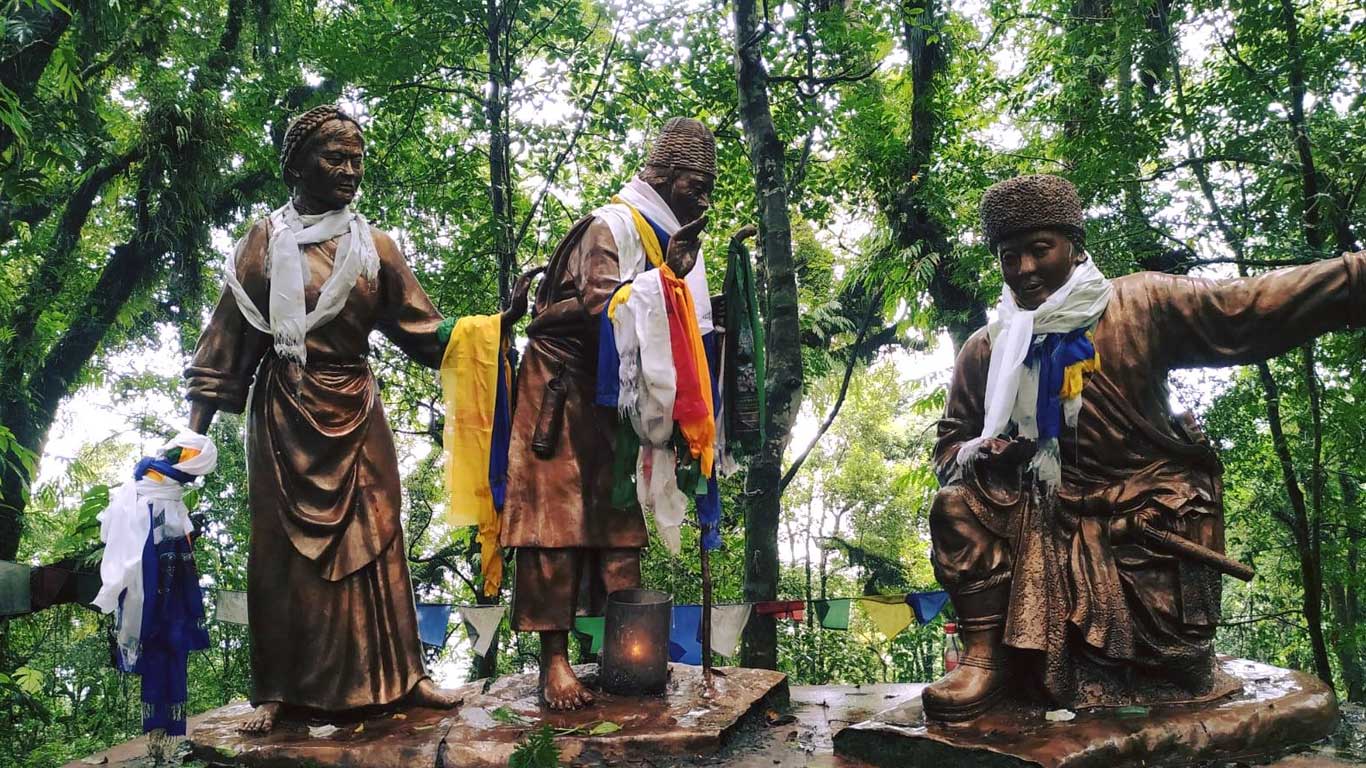
Lepchas, the original inhabitants, retain a presence in the Dzongu region, declared a Lepcha reserve. Tibetan influence is strong, with the Namgyal Institute of Tibetology in Gangtok housing rare Tibetan manuscripts, artefacts, and Thangkas.
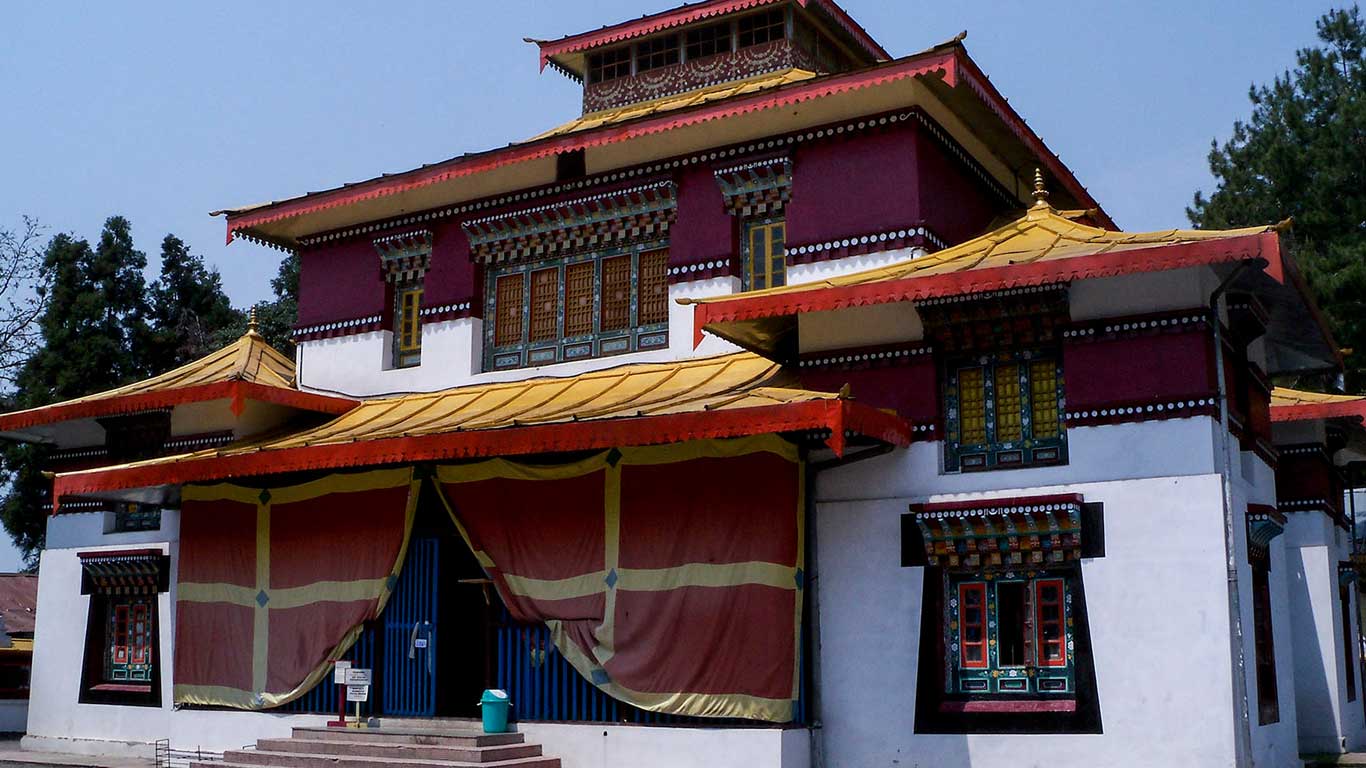
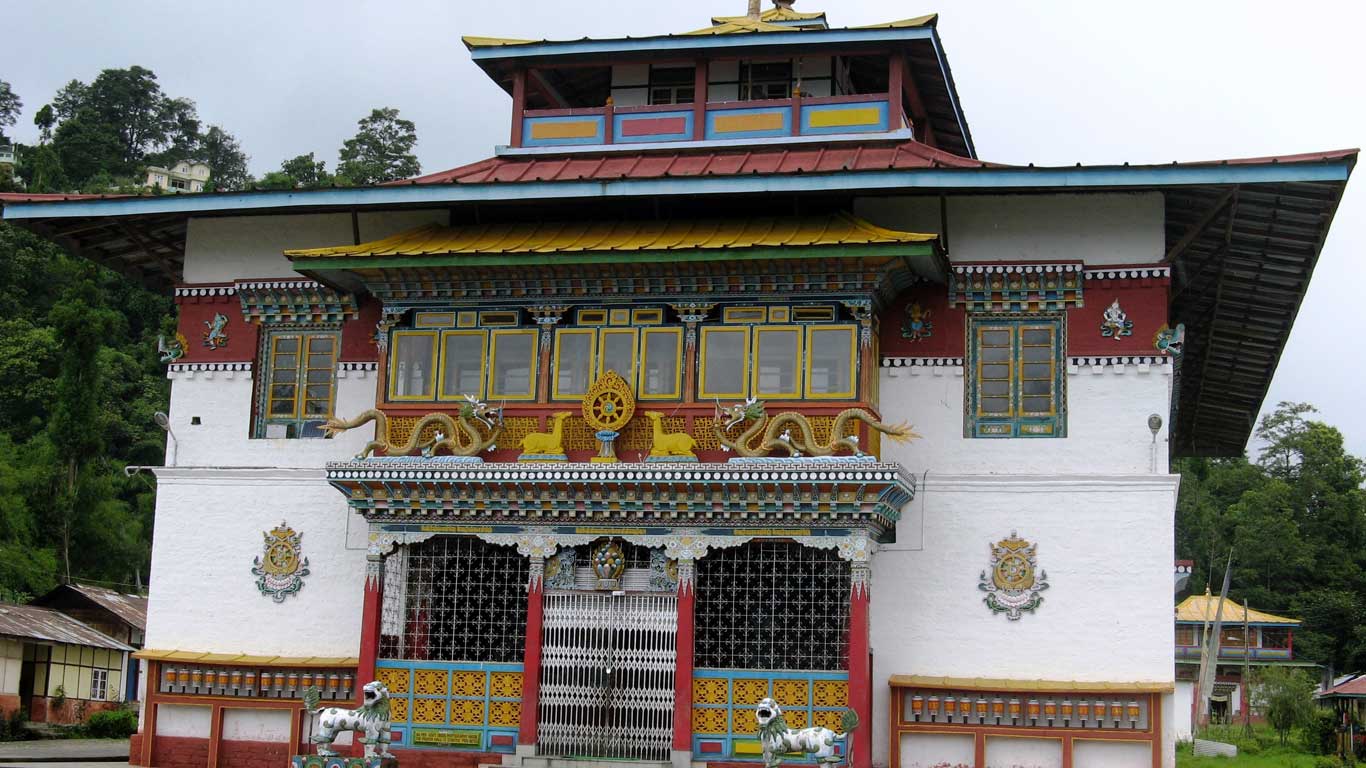
The state has over 250 monasteries, mostly of the Nyingma-pa sect, alongside Hindu temples, reflecting its pluralistic religious landscape. Buddhism and Tibetan culture heavily influence festivals, art, and daily life.
Languages: Nepali is widely spoken, while Tibetan, Lepcha, Hindi, English, and Bengali are also common, especially in tourist areas.
Weather
Sikkim’s climate varies sharply with altitude:
-
South Sikkim experiences warmer temperatures, while North Sikkim remains below freezing for much of the year.
-
Annual rainfall ranges from 50 to 200 inches, mostly during the monsoon (June–September).
-
Orchid blooms are best viewed in April–May, July–August, and November, while trekking and sightseeing are optimal in spring and autumn.
-
Snowfall can block high-altitude roads in winter, necessitating careful planning.
Travel Services with NBTT
Tour Packages: NBTT Travel Solution Private Limited offers customised Sikkim tour packages, combining leisure sightseeing, treks, cultural experiences, and nature tours. Our expert itineraries are tailored to suit solo travellers, families, and adventure groups.
Hotels and Accommodation: From luxury hotels in Gangtok to quaint homestays in Pelling, North Sikkim, and Ravangla, we ensure comfortable stays that enhance your Himalayan experience.
Adventure Tours: NBTT arranges treks to Dzongri-Goechala, North Sikkim high passes, and biking tours through scenic valleys.
Car Rentals and Local Transport: Our fleet ensures reliable, comfortable transport across all Sikkim districts, including experienced drivers familiar with mountain routes.
Call +91 9733300696 to plan your Sikkim journey, book permits, and customise your tour package with expert guidance.
FAQs – Travelling in Sikkim
Do Indian tourists need permits? Some areas like Nathula, Tsomgo Lake, and North Sikkim require Inner Line Permits, even for Indians.
What about foreign tourists? Foreign nationals need a Restricted Area Permit, typically arranged through NBTT or at border entry points.
Best time to visit? Spring (March–May) and Autumn (September–October) are ideal for sightseeing, trekking, and nature photography.
Can solo travellers explore Sikkim? Yes, but high-altitude treks and restricted areas require travel in groups of 2–4 with a recognised guide.
Are there options for offbeat destinations? Absolutely. NBTT can customise tours to Varsey Rhododendron Sanctuary, Shingba Valley, Menmecho Lake, and hidden Himalayan villages.
Sikkim is a symphony of mountains, culture, and biodiversity, where every valley, monastery, and lake tells a story. Let NBTT Travel Solution Private Limited guide you through this Himalayan paradise for a safe, enriching, and unforgettable journey. Call +91 9733300696 to plan your perfect Sikkim adventure.
East Himalaya
-
Address:NBTT Travel Solution Private Limited, 19, MN Sarkar Road, Sevoke More Siliguri, State : West Bengal, Country : India. PIN : 734001
-
Call Us at:
+91-9733300696 -
Mail Us:
info@east-himalaya.com
