

Ziro Valley Travel Guide
Orientation – Understanding Ziro Valley
Situated in the Lower Subansiri District of Arunachal Pradesh, Ziro Valley is among the state's best-known destinations, not because of towering mountains or high-altitude passes, but because of its remarkable cultural landscape and centuries-old agricultural traditions. Located at an elevation of approximately 1,500 metres, the valley consists of a broad plateau surrounded by forested hills, blue pine groves and terraced paddy fields.
Unlike many Himalayan destinations where sightseeing revolves around viewpoints, Ziro Valley Travel is centred around village life, local traditions, walking trails and understanding one of India's most sustainable indigenous communities.
The valley is home to the Apatani tribe, whose advanced wet-rice cultivation and water management techniques have attracted researchers from around the world. Their traditional farming system has been practised for generations without the use of mechanised irrigation and continues to support the community today.
Because of its outstanding cultural value, Ziro Valley has been included on UNESCO's Tentative List of World Heritage Sites, recognising both its living traditions and its remarkable human settlement.
Today, Ziro attracts photographers, birdwatchers, cultural travellers, musicians, researchers and visitors looking for a slower pace of travel.
A Brief History of Ziro Valley
The history of Ziro is closely linked with the Apatani people, whose ancestors are believed to have settled in the valley centuries ago. Unlike many neighbouring tribes that practised shifting cultivation, the Apatanis developed an intensive and highly organised wet-rice farming system.
Their villages gradually evolved into permanent settlements connected through irrigation channels, bamboo bridges and community-managed agricultural land.
After Indian independence, Ziro developed into an important administrative and educational centre for Lower Subansiri District. Government institutions, schools and improved road connectivity contributed to its steady growth while much of its traditional village structure remained intact. Today, Ziro represents a successful coexistence of traditional culture and modern development.
Geography and Climate
The Ziro Plateau is enclosed by gently rising hills covered with pine forests, bamboo groves and mixed broadleaf vegetation.
Unlike higher Himalayan destinations, the climate remains moderate throughout much of the year.
Summer temperatures generally range between 15°C and 28°C, while winter temperatures may fall to around 3°C to 10°C, with cold mornings and evenings.
Rainfall is abundant during the southwest monsoon between June and September, supporting the extensive paddy cultivation for which the valley is famous.
Morning fog is common during winter and immediately after the monsoon, gradually clearing as the day progresses.
Getting There
Although Ziro lies in the interior of Arunachal Pradesh, improved highways have made access considerably easier. The town is connected through National Highway 13, part of the Trans-Arunachal Highway.
Approximate driving distances include:
Naharlagun – 100 kilometres
Itanagar – 115 kilometres
North Lakhimpur – 120 kilometres
Guwahati – 450 kilometres
The route passes through forested hills, mountain streams and rural settlements before entering the broad Ziro Plateau.
You can reach the region either by flight or by Train. Ziro has a small Advanced Landing Ground, but scheduled commercial passenger services are not presently available regularly. Visitors arrive through Lilabari Airport (North Lakhimpur) or Jorhat Airport. Lilabari is nearer but Jorhat has more flights. And as for most of the North East, the most important airport is the Lokpriya Gopinath Bordoloi International Airport, Guwahati.
If you are travelling by train, you may come to Naharlagun, approximately 100 kilometres from Ziro. Naharlagun has direct rail connections with Guwahati, New Delhi and several other major cities. North Lakhimpur railway station in Assam is another convenient option for some travellers.
Planning Your Ziro Valley Travel
Most visitors spend three to four nights in Ziro.
A balanced Ziro Valley tour plan combines village walks, local markets, cultural experiences, monastery visits, short hikes and a day excursion to Talley Valley Wildlife Sanctuary.
Travellers attending the Ziro Festival of Music should ideally stay for at least four nights, as accommodation becomes extremely busy during the event.
Photography enthusiasts often remain longer to explore different villages under varying light conditions.
Major Attractions
Ziro is best explored slowly. Rather than rushing between viewpoints, visitors usually spend time walking through villages, interacting with residents and observing everyday life.
Apatani Villages
The villages are the greatest attraction of Ziro Valley.
Hong, Hari, Hija, Bulla, Mudang Tage, Dutta, Bamin Michi and Bamin Hong each possess their own character while preserving the traditional layout of Apatani settlements.
Visitors walking through these villages will notice elevated bamboo houses, narrow pathways, wooden granaries, irrigation channels and carefully maintained agricultural fields.
Older women may still be seen with the traditional facial tattoos and large nose plugs that once symbolised Apatani identity, although this practice is no longer followed by younger generations.
The villages provide an excellent opportunity to understand one of India's most sustainable indigenous societies.
Kile Pakho Ridge
Located a short drive from the town, Kile Pakho Ridge offers one of the best panoramic perspectives of the Ziro Plateau.
From here, visitors can appreciate the relationship between the villages, paddy fields and surrounding pine-covered hills that define the valley.
Early morning and late afternoon generally provide the most favourable light for photography.
Pine Groves of Midey
The pine forests around Midey are among the most recognisable landscapes of Ziro Valley.
Walking trails pass through tall blue pine trees, small streams and quiet countryside, making this area popular for relaxed afternoon walks and photography.
Unlike commercial tourist attractions, the appeal here lies in spending time outdoors rather than ticking off sightseeing points.
Talley Valley Wildlife Sanctuary
Located about 30–35 kilometres from Ziro, Talley Valley Wildlife Sanctuary protects one of Arunachal Pradesh's most important temperate forest ecosystems. Covering approximately 337 square kilometres, the sanctuary consists of dense forests, bamboo groves, mountain streams and high-altitude meadows.
The sanctuary supports a wide variety of wildlife, including clouded leopards, Himalayan black bears, barking deer, serow, civets and numerous smaller mammals. Although wildlife sightings require patience, Talley Valley is highly regarded among birdwatchers because of its rich avian diversity.
The forests are also home to hundreds of orchid species, medicinal plants, ferns and bamboo varieties, making the sanctuary attractive to botanists and researchers.
Several trekking routes originate from the sanctuary. Some are suitable for day excursions, while longer expeditions require camping equipment, local guides and prior permission from the Forest Department.
Travellers interested in combining forests with cultural experiences often include Talley Valley in their Ziro Valley tour plan.
Tarin Fish Farm
Located on the outskirts of Ziro, Tarin Fish Farm demonstrates the Apatani community's famous integrated farming system.
Instead of separating fish farming from rice cultivation, the Apatanis developed a method in which fish are raised within paddy fields. This sustainable agricultural practice has attracted attention from agricultural scientists across the world because it efficiently utilises land and water while maintaining ecological balance.
Visitors can walk around the ponds, observe the farming methods and learn how traditional knowledge continues to support the local economy.
Ziro Putu
Ziro Putu is one of the valley's quieter viewpoints and holds historical significance as one of the earliest administrative camping sites established during British exploration of the region.
Today it offers open views across parts of the valley and surrounding forests. The area is popular for short walks, picnics and photography, particularly during clear mornings.
Shiv Linga at Kardo Hills
One of the lesser-known attractions near Ziro is the naturally formed Shiv Linga situated at Kardo Hills.
Believed by many devotees to be among the tallest naturally occurring Shiva lingams in India, this site has gradually become an important place of worship.
The surrounding area remains peaceful throughout much of the year, although visitor numbers increase during Mahashivratri.
Paddy Fields and Irrigation Channels
The agricultural landscape itself is one of Ziro's greatest attractions.
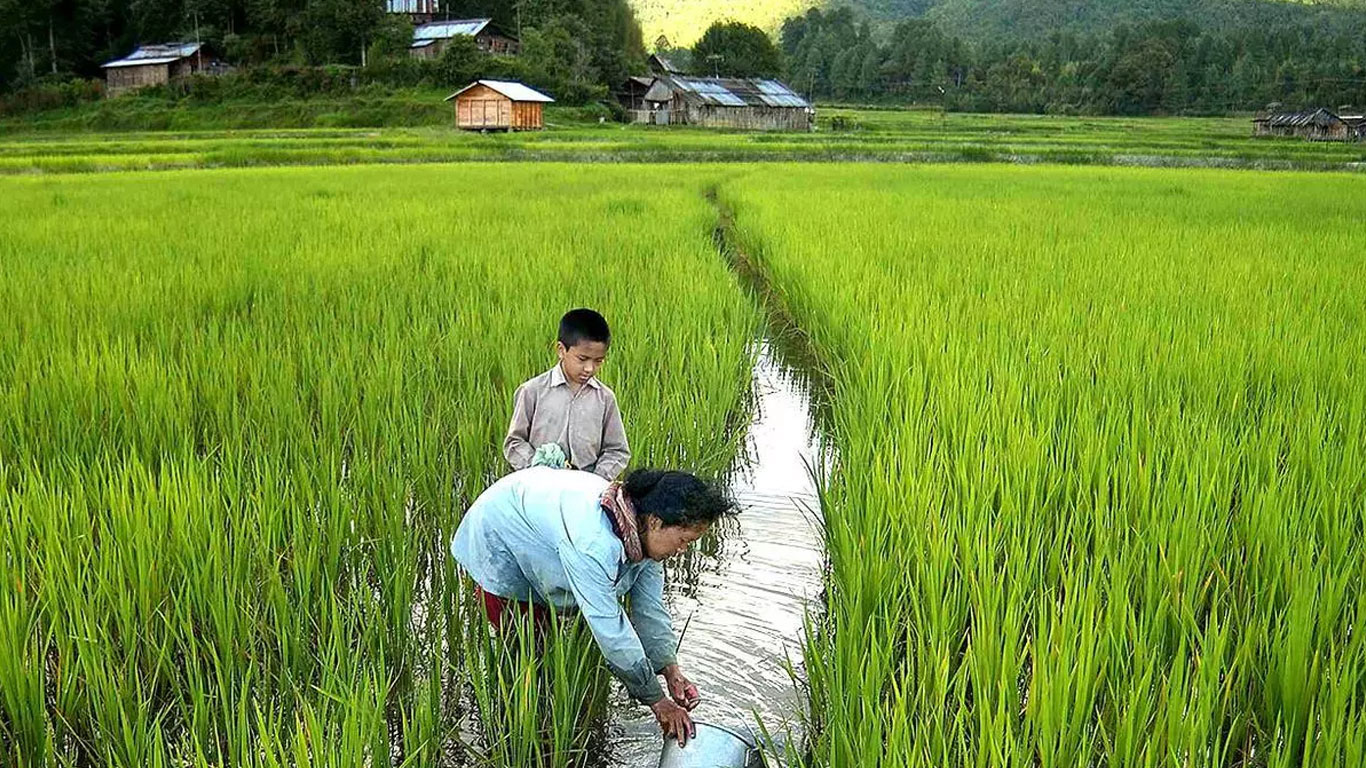
Unlike ordinary rice fields, the Apatani farming system consists of an intricate network of bamboo channels, wooden gates and carefully managed water flow that irrigates the entire valley.
Walking through the fields during different seasons offers completely different experiences.
During the planting season, villagers work collectively across the flooded fields.
By late summer, the valley gradually changes colour as the rice matures.
Following harvest, the fields become open spaces where traditional agricultural activities continue.
This living landscape is one of the principal reasons why UNESCO has recognised Ziro's cultural importance.
Ziro Valley Monastery
Although the Apatani people traditionally followed the indigenous Donyi-Polo faith, Buddhism is also practised by sections of the local population and neighbouring communities.
The Ziro Valley Monastery provides visitors with an opportunity to understand Tibetan Buddhist traditions within Lower Subansiri District.
Built in traditional Himalayan architectural style, the monastery features colourful prayer flags, prayer wheels, Buddhist murals and a peaceful prayer hall where resident monks conduct daily rituals.
Visitors are welcome to observe prayers respectfully and spend time appreciating the monastery's peaceful surroundings.
Several Buddhist festivals are celebrated here throughout the year, attracting devotees from neighbouring districts.
Local People, Demography and Language
The dominant indigenous community of Ziro Valley is the Apatani tribe, officially recognised as one of Arunachal Pradesh's major scheduled tribes.
The valley has a population spread across several traditional villages, while the township itself also accommodates people from neighbouring tribes and other parts of India working in administration, education and business.
The Apatani language belongs to the Tibeto-Burman linguistic family.
Hindi is widely spoken and understood throughout Ziro, making communication easy for visitors.
English is commonly used in schools, government offices and tourism establishments.
Many residents are multilingual, speaking Apatani, Hindi and English fluently.
Education has played an important role in the development of Ziro, and the town has one of the highest literacy levels in Arunachal Pradesh.
Tribals and Their Culture
The Apatani community has attracted worldwide attention for preserving a highly organised society that balances agriculture, environmental conservation and community participation.
Unlike many neighbouring tribes who traditionally practised shifting cultivation, the Apatanis developed permanent wet-rice cultivation supported by an efficient irrigation system that requires no draught animals or mechanised equipment.
Village life revolves around agriculture, seasonal festivals and community cooperation.
Traditional houses are constructed using timber and bamboo, raised slightly above ground level and connected by narrow footpaths.
Wood carving, bamboo craft, cane work and handwoven textiles continue to be practised by many households.
One of the most recognisable aspects of Apatani culture was the tradition of facial tattooing and wooden nose plugs worn by women. While this custom has largely disappeared among younger generations, elderly women still preserve this distinctive cultural identity.
Traditional cuisine centres around rice, locally grown vegetables, smoked meat, fish, bamboo shoots and fermented food preparations. Locally brewed rice beer is commonly served during festivals and community celebrations.
Visitors are encouraged to interact respectfully with residents and seek permission before photographing people inside villages.
Local Festivals
The cultural identity of Ziro Valley is shaped largely by the traditions of the Apatani people. Community life revolves around agriculture, respect for nature, ancestral beliefs and collective participation. Festivals are not organised purely for visitors; they remain important social and religious events where entire villages gather to celebrate, pray and strengthen community ties.
Visitors fortunate enough to witness these celebrations gain an insight into customs that have continued across generations.
Myoko Festival
The Myoko Festival is among the most important festivals of the Apatani community. Celebrated during March, it symbolises friendship, prosperity, cooperation and social harmony.
Unlike festivals confined to a single venue, Myoko rotates among different villages according to a traditional cycle. Rituals are conducted by village priests, followed by community feasts, folk songs and dances.
Families exchange visits, renew social bonds and offer prayers for good health, successful harvests and communal well-being.
For travellers interested in cultural documentation, Myoko offers one of the finest opportunities to observe traditional Apatani life.
Dree Festival
Held annually on 5th July, the Dree Festival marks the agricultural season and is perhaps the best-known traditional celebration of the Apatani tribe.
The festival is dedicated to prayers for healthy crops, protection against pests and favourable weather.
Traditional dances, folk music and ceremonial rituals take place throughout the valley. Visitors may also experience exhibitions of local handicrafts, indigenous food and agricultural practices.
Unlike commercial cultural events, Dree remains deeply connected with farming and village life.
Murung Festival
The Murung Festival is another important community celebration that reflects the Apatanis' traditional belief system.
Historically organised by individual families to pray for prosperity and social welfare, Murung involves elaborate rituals, ceremonial chanting and community gatherings.
Although some practices have evolved over time, the festival continues to preserve important elements of Apatani heritage.
Ziro Festival of Music
Among India's best-known independent outdoor music festivals, the Ziro Festival of Music has transformed Ziro into an international cultural destination.
Usually organised during September, the festival brings together independent musicians, folk performers and audiences from India and abroad.
The event takes place in open fields surrounded by the valley's characteristic landscape. Visitors stay in camps, homestays and guest houses while enjoying live performances, local cuisine, handicrafts and cultural interactions.
The festival has significantly contributed to Ziro Valley Travel, introducing younger travellers to Arunachal Pradesh while maintaining close cooperation with the local Apatani community.
Accommodation fills quickly during the festival, and bookings should be made several months in advance.
Local Markets and Shopping
The markets of Ziro provide a glimpse into everyday life rather than conventional tourist shopping.
Fresh vegetables, bamboo shoots, smoked meat, locally grown rice, forest produce and seasonal fruits dominate the morning markets.
Visitors interested in handicrafts can purchase handwoven textiles, bamboo baskets, cane products, wooden artefacts and traditional jewellery directly from local artisans.
Buying locally produced crafts supports village economies and helps preserve traditional skills.
Food to Try in Ziro Valley
Food in Ziro reflects the agricultural lifestyle of the Apatani community.
Rice remains the staple diet, accompanied by fresh vegetables, smoked pork, chicken, fish, bamboo shoots and locally collected herbs.
Several dishes are prepared using fermented ingredients, giving the cuisine a distinctive flavour without relying heavily on spices.
Traditional rice beer continues to play an important role during festivals and community gatherings.
Visitors looking for familiar Indian cuisine will also find restaurants serving North Indian, Chinese and Assamese dishes in the main market area.
Adventure Activities in Ziro Valley
Although Ziro is primarily known for culture, it also offers several outdoor activities.
Village Walks
Walking remains the best way to explore the valley.
Short walks between Hong, Hari, Hija and neighbouring villages allow visitors to observe farming, traditional architecture and everyday village life at a relaxed pace.
Cycling
The relatively gentle terrain of the Ziro Plateau makes cycling one of the most enjoyable ways to explore the countryside.
Quiet village roads, paddy fields and pine forests provide an ideal setting for leisurely rides.
Several local operators arrange bicycle rentals during the tourist season.
Birdwatching
The forests surrounding Ziro support a wide variety of Himalayan birdlife.
Birdwatchers frequently combine Ziro with Talley Valley Wildlife Sanctuary, where species such as laughing thrushes, barbets, woodpeckers, flycatchers, sunbirds and several raptors can be observed.
The winter months generally provide the best birdwatching conditions.
Photography
Ziro offers excellent opportunities for documentary and landscape photography.
Traditional Apatani villages, agricultural activities, pine forests, bamboo bridges, village festivals and changing seasonal colours provide diverse photographic subjects throughout the year.
Early mornings often produce soft light across the paddy fields, while evenings are well suited for village photography.
Best Time to Visit Ziro Valley
The Best time to visit Ziro Valley depends upon the type of experience you are seeking, although the valley can be visited throughout most of the year.
March to May - Spring is one of the finest seasons for Ziro Valley Travel. The weather remains pleasant, village activities become increasingly active and the surrounding forests appear fresh after winter. This period also coincides with the Myoko Festival, offering visitors an opportunity to witness important Apatani traditions.
June to July - The arrival of the monsoon transforms the agricultural landscape as paddy cultivation begins across the valley. Although rain is frequent, this is the period when the famous Apatani farming system can be observed in full operation. Road travel may occasionally be affected by heavy rainfall.
September - September attracts large numbers of visitors because of the internationally recognised Ziro Festival of Music. Accommodation should be booked well in advance during this period.
October to November - Post-monsoon conditions provide comfortable weather, clearer skies and excellent visibility for sightseeing and photography. This is one of the most recommended periods for a relaxed Ziro Valley tour plan.
December to February - Winter brings cool mornings and evenings, while daytime temperatures generally remain comfortable. Fog occasionally settles over the valley during early mornings, gradually clearing later in the day. This season is ideal for travellers who prefer fewer visitors and quieter village experiences.
Frequently Asked Questions about Ziro Valley
How many days are enough for Ziro Valley?
For most travellers, three to four days provide enough time to experience village life, walk through the paddy fields, visit Talley Valley, explore local markets, and enjoy the relaxed pace of the region. If you are interested in photography, birdwatching or attending the Ziro Festival of Music, staying for five or six days allows a much deeper experience.
Can foreign tourists visit Ziro Valley?
Yes. Foreign nationals can visit Ziro Valley. Depending on the latest Government of Arunachal Pradesh regulations, visitors may require the appropriate permits before entering the state. Since permit rules can change, it is advisable to verify the latest requirements before planning the trip.
Do Indian tourists need permits for Ziro Valley?
Yes. Indian citizens require an Inner Line Permit (ILP) to enter Arunachal Pradesh. The permit can be obtained online or through designated government offices. Travelling with a tour operator simplifies the process considerably.
How do I reach Ziro Valley from Guwahati?
The most common route is Guwahati to North Lakhimpur or Naharlagun by train or road, followed by a road journey to Ziro. Many travellers prefer hiring a private vehicle from Guwahati for a multi-day Arunachal Pradesh tour covering Itanagar, Ziro, Daporijo, Aalo or Tawang.
Is Ziro Valley safe for solo travellers?
Yes. Ziro enjoys a reputation as one of the safer destinations in Northeast India. Local communities are welcoming, and crime against tourists is uncommon. As with travel anywhere, basic precautions regarding valuables and late-night travel are recommended.
Is there snowfall in Ziro Valley?
Snowfall inside Ziro town is uncommon. During winter, temperatures can approach freezing, but substantial snowfall usually occurs only at higher elevations elsewhere in Arunachal Pradesh.
Is mobile network available in Ziro Valley?
Major mobile operators provide connectivity in the town, although internet speeds vary. Remote villages and forest areas may experience weak or no signal. Download offline maps before travelling.
Can I drive my own car to Ziro Valley?
Yes. Many travellers drive from Assam into Arunachal Pradesh after obtaining the required permits. Road conditions have improved significantly over recent years, although some stretches can still be rough, especially during the monsoon.
Suggested Ziro Valley Tour Plan
A well-planned Ziro Valley tour plan usually starts from Guwahati, Dibrugarh or Naharlagun.
Day one generally involves arrival in Ziro with an evening walk around the town.
Day two can be devoted to Hong, Hari and Hija villages, followed by visits to local craft centres and paddy fields.
Day three is suitable for Talley Valley Wildlife Sanctuary, Kile Pakho Ridge and local monasteries.
Day four may include Meghna Cave Temple, local markets and departure towards Itanagar or your next destination.
Many visitors combine Ziro with Itanagar, Daporijo, Mechuka, Pasighat or Tawang as part of a longer Arunachal Pradesh circuit.
Plan Your Ziro Valley Travel with NBTT Travel Solution Pvt. Ltd.
Planning an Arunachal Pradesh journey requires local knowledge, reliable transport, experienced drivers and proper permit arrangements. With more than two decades of experience in the Eastern Himalayas, NBTT Travel Solution Private Limited offers complete travel services covering every aspect of your holiday.
Whether you require a customised Ziro Valley Travel itinerary, a dependable Ziro Valley Car Rental, assistance in preparing a detailed Ziro Valley tour plan, or wish to combine Ziro with Tawang, Mechuka, Pasighat, Roing, Namdapha or other destinations through a comprehensive Arunachal Pradesh tour, our team manages transport, accommodation, permits and local guidance from start to finish.
For customised itineraries, permit assistance and bookings, contact:
NBTT Travel Solution Private Limited
The Soul of Eastern Himalaya
Mobile / WhatsApp: +91 9733300696
Travel through Arunachal Pradesh with a team that has been exploring these mountains since 2002 and understands the region beyond the guidebooks.
East Himalaya
-
Address:NBTT Travel Solution Private Limited, 19, MN Sarkar Road, Sevoke More Siliguri, State : West Bengal, Country : India. PIN : 734001
-
Call Us at:
+91-9733300696 -
Mail Us:
info@east-himalaya.com
